
Is Mobile Welding Safe on My Property? A Homeowner Prep Guide

Spencer Gordon • February 10, 2026

Share this article

Is Mobile Welding Safe on My Property? A Homeowner Prep Guide

Mobile welding can be safe on a residential property when the work area is set up like a controlled “hot work zone” and everyone nearby knows what’s happening. This guide covers basic homeowner prep for common on-site repairs (trailers, gates, railings, brackets) so the welder can work efficiently without unnecessary risk.

If you’re deciding which service you need (mobile welding vs other repairs/installs), use the services overview as your starting point.


Is mobile welding safe at a home or driveway?

Yes—when sparks, heat, and fumes are planned for instead of treated like a quick “five‑minute job.” The main hazards to manage are fire risk (sparks/slag), eye exposure to the arc, hot metal, trip hazards from cords/hoses, and ventilation if work happens in a garage or covered area.

A good rule of thumb: if you can create a clear, controlled workspace and keep bystanders away, mobile welding is typically a straightforward on-site service.


What should you do before the welder arrives?

Start by clearing a safe work radius, then make access simple. Most prep takes 10–15 minutes and prevents delays.

Homeowner prep checklist (copy/paste)

  • Clear loose combustibles near the work area (cardboard, rags, dry leaves, fuel cans).
  • Move vehicles, bikes, and plastic bins out of the spark path.
  • Sweep the immediate area so sparks don’t land in debris.
  • Keep kids and pets indoors (or in a separate yard/room).
  • Confirm gate access, parking spot, and a clear path to the repair location.
  • Point out anything sensitive nearby (sprinkler heads, siding, landscaping, stored chemicals).
  • If the work is near a garage, open doors and ensure fresh airflow.

Curious about which repairs can be completed on-site? Take a look at MS Fix It’s Mobile Welding Services.


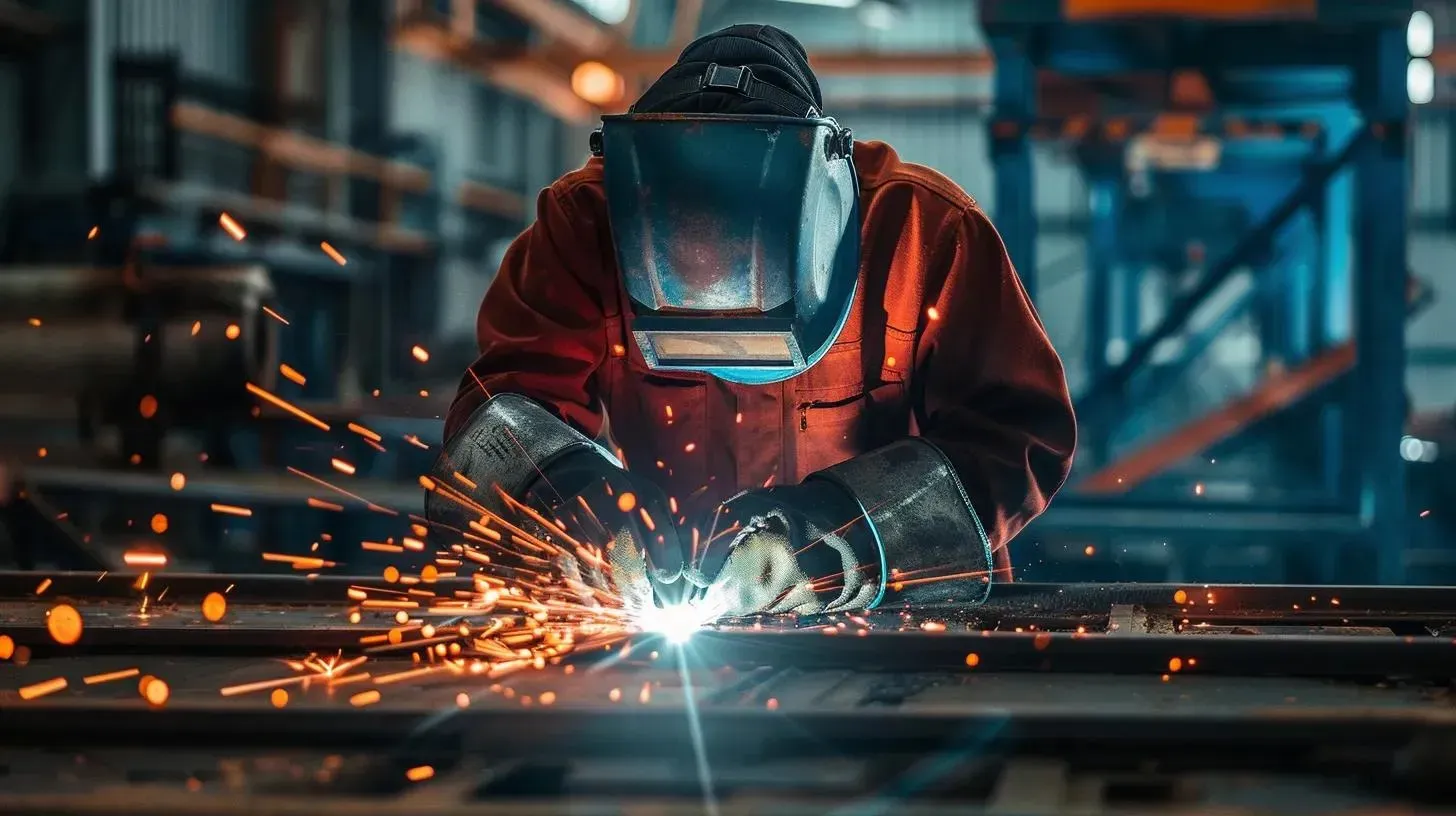
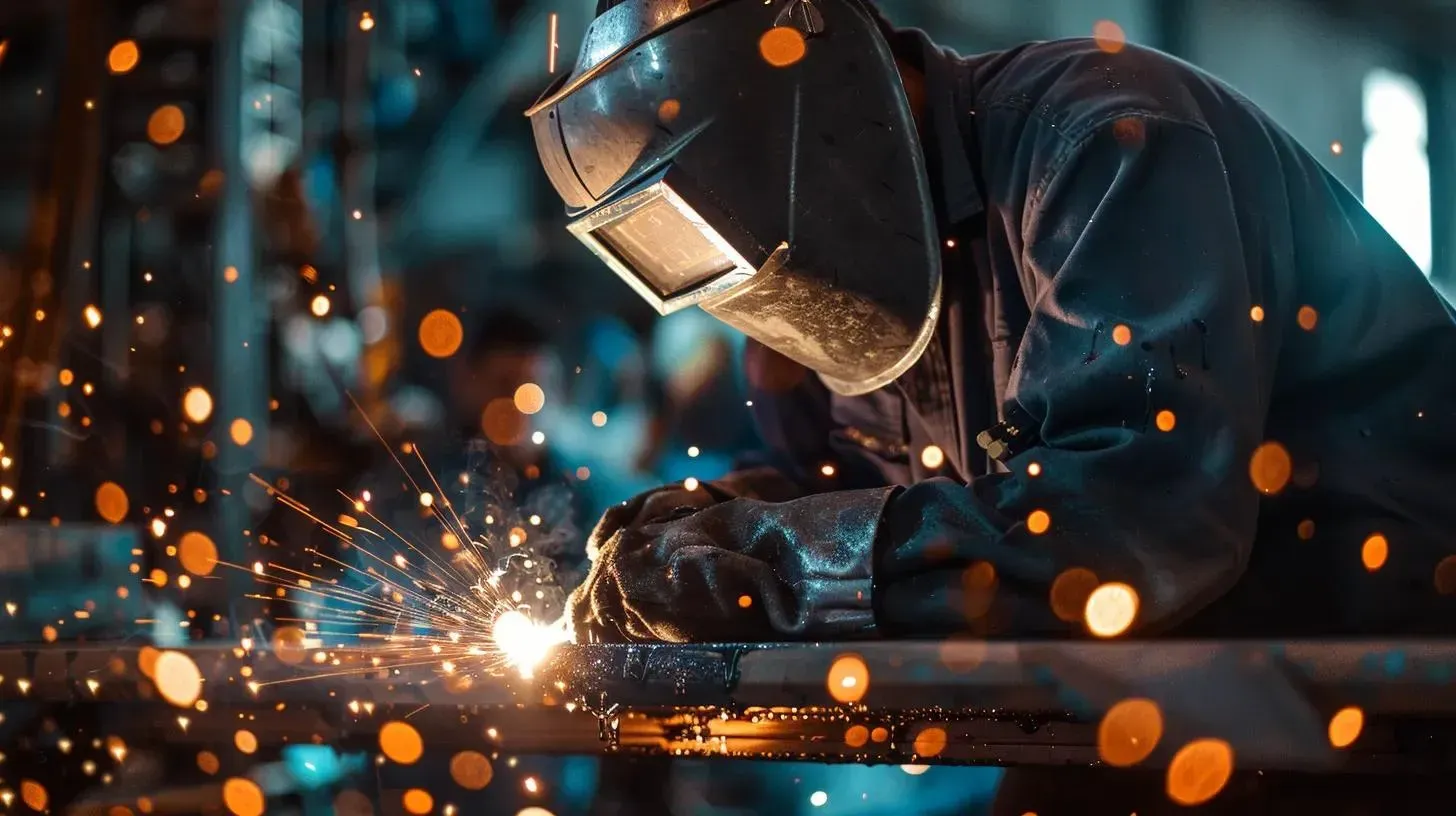
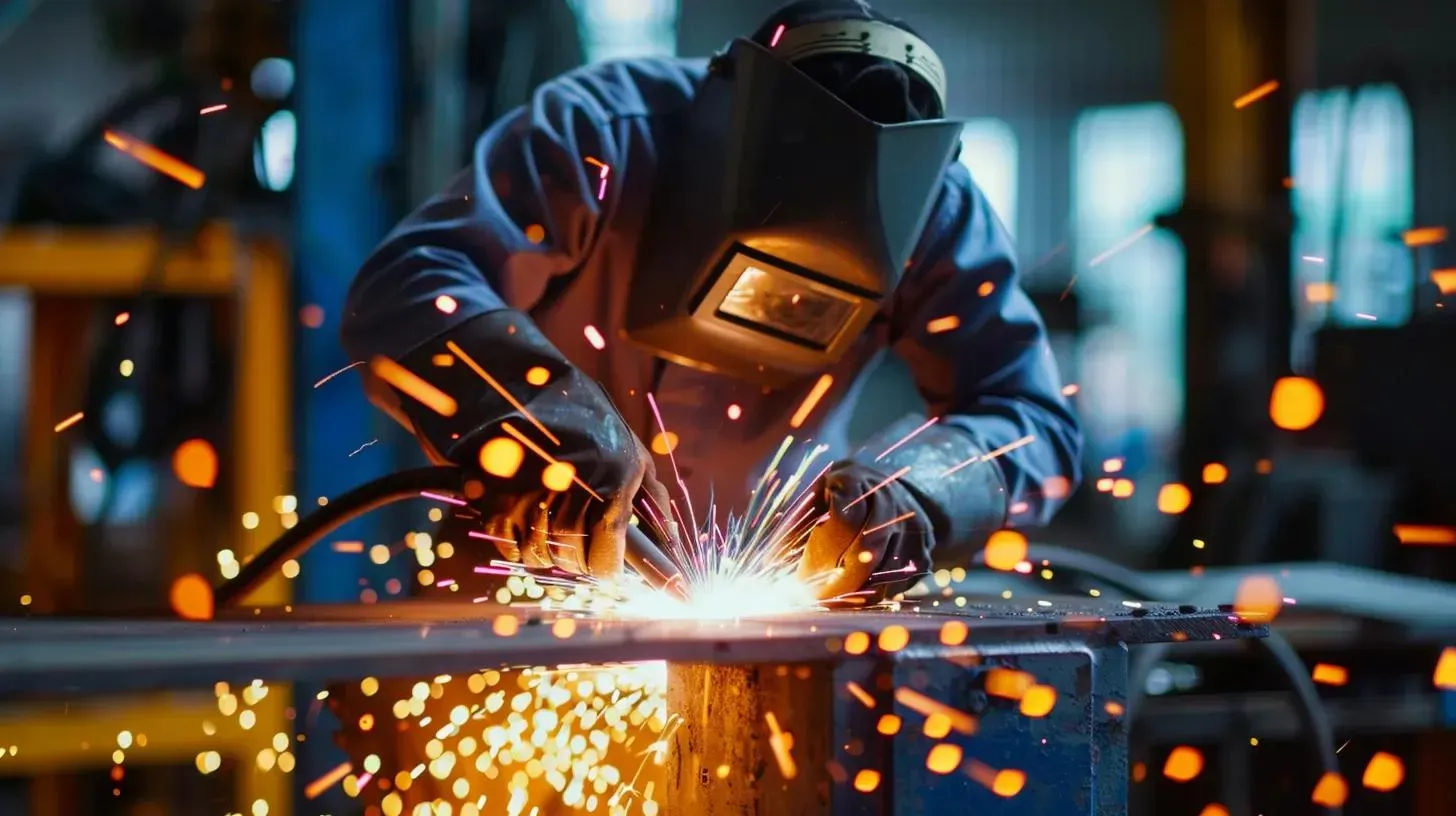
Welder in a protective mask and gloves welding metal, sparks flying in workshop.

How far should you clear flammables—and what counts as “flammable”?

The safest approach is to move combustibles well away from where sparks can travel or cover them with noncombustible protection. Hot-work safety guidance frequently cites a 35-foot clearance when combustibles are nearby, see OSHA 1910.252 – Welding, Cutting, and Brazing.

In a home setting, “combustibles” often include:

  • Cardboard boxes, paper, and trash
  • Rags, drop cloths, and sawdust
  • Gasoline cans, solvents, aerosol sprays
  • Plastic storage bins, patio cushions
  • Dry mulch, leaves, and grass clippings

If you can’t move something (like a wood fence or siding), the key is shielding + awareness: use spark-resistant covers/screens and keep the area monitored.


Do you need a fire watch for mobile welding at home?

If there’s any chance sparks could reach something that would smolder unnoticed, having a second set of eyes watching the area is smart. Hot-work guidance often requires a fire watch when conditions increase fire risk, such as nearby combustibles or openings where sparks may travel, as outlined in OSHA 1910.252 – General Requirements.

For homeowners, “fire watch” simply means: someone not under the welding hood stays alert to sparks, checks nearby corners/crevices, and can respond quickly if something starts to smolder.


What if the welding is near a garage, shed, or covered patio?

Treat semi-enclosed areas as higher-risk because they can trap fumes and heat. The safest move is to increase fresh airflow and keep fumes moving away from people. OSHA recommends using ventilation and positioning to reduce welding fume exposure, and not welding in confined areas without ventilation.

Practical homeowner steps:

  • Open the garage door (and a side door/window if available) for cross‑ventilation.
  • Keep stored paint/solvents and fuel containers out of the area.
  • Don’t run fans that blow directly across the arc (they can disrupt shielding gas); instead, aim airflow to pull fumes away from breathing zones.


How do you protect floors, siding, and landscaping from sparks?

The goal is to eliminate easy ignition points and keep surfaces from getting peppered with hot spatter.

  • Concrete/driveways: Sweep debris; remove oil-soaked rags or cardboard.
  • Wood fences/siding: Keep the immediate area clear; use shielding/spark blankets/screens when needed.
  • Mulch/dry plants: Wet down dry landscaping if it’s very dry and move loose debris away.
  • Hidden openings: Remember sparks can fall into cracks or gaps—move clutter away from edges and corners.


How do you keep kids, pets, and neighbors safe from arc flash and hot metal?

Arc light can irritate eyes even at a distance if someone stares at it. The simplest safeguard is to keep bystanders out of line-of-sight and away from the work zone.

  • Keep kids and pets indoors until the work is done and the area has cooled.
  • Let neighbors know if you share a tight fence line or driveway.
  • Avoid having anyone “just watch for a minute.” Welding isn’t a spectator activity.


What access details make the setup safer (and faster)?

A safe setup is also an efficient setup. Before the welder arrives, confirm:

  • Parking position: close enough to avoid long cable runs.
  • Path to the work: no tripping hazards (toys, cords, hoses, planters).
  • Stability: the item won’t shift (chock a trailer, stabilize a gate if it swings freely).

Quick comparison table: prep steps by common job scenario


Scenario Main risk to manage Your prep action Why it matters
Gate hinge repair near wood fence Sparks hitting wood/debris Clear debris; keep fence line uncluttered; plan shielding Reduces ignition chance and surface damage
Trailer repair in driveway near garage clutter Combustibles + trip hazards Move boxes/rags; clear walking path; park car away Prevents smoldering and improves access
Railing repair on porch with cushions/plastics Plastics/soft goods ignite easily Remove cushions, rugs, décor from the zone Sparks can melt/ignite soft materials
Bracket repair in a garage Fumes + nearby chemicals Open doors; remove solvents/fuel; create airflow Lowers fume buildup and fire risk

Common mistakes / red flags that create risk (or delays)

Most problems come from assuming welding is “clean” because it’s quick. Watch for these issues:

  • Flammables left nearby (gas cans, aerosol sprays, solvent-soaked rags)
  • Piles of dry leaves/mulch under the work area
  • People standing close to watch the arc
  • Working in a garage with poor airflow
  • Cluttered corners where sparks can smolder unseen
  • Unstable items (un-chocked trailer, gate swinging, loose railing section)

If any of these are present, the safest move is to pause and reset the workspace before work begins.


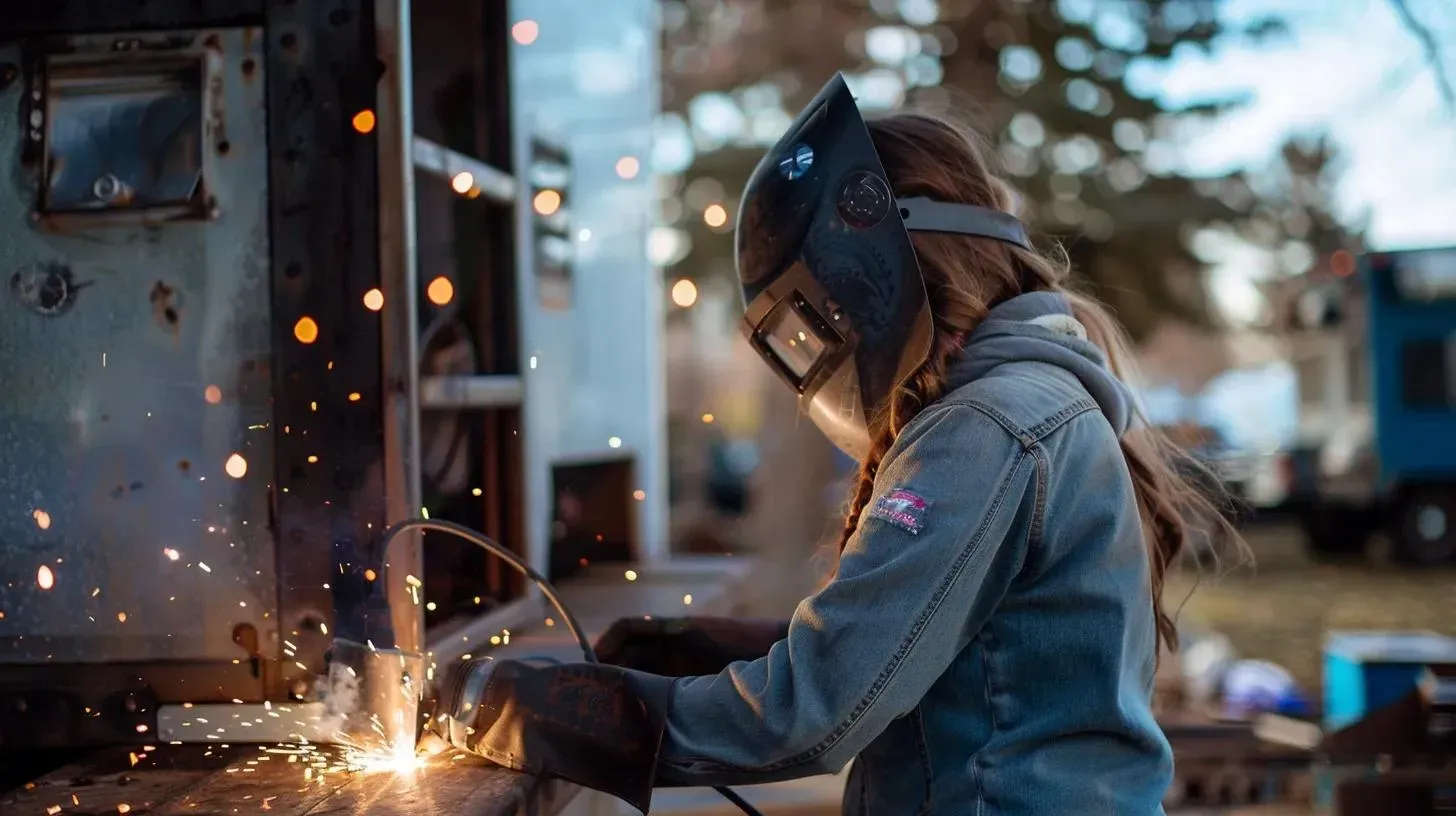
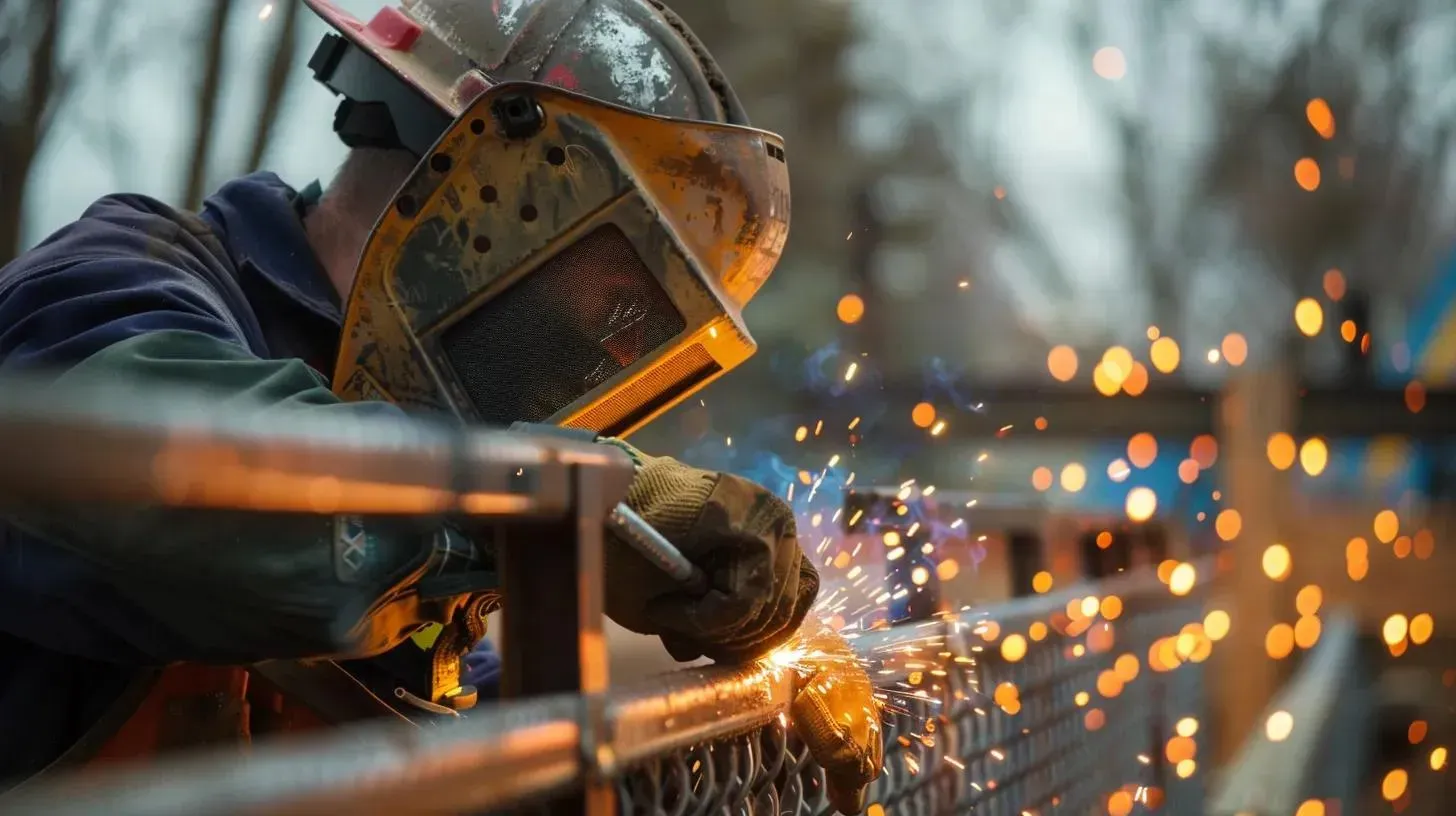
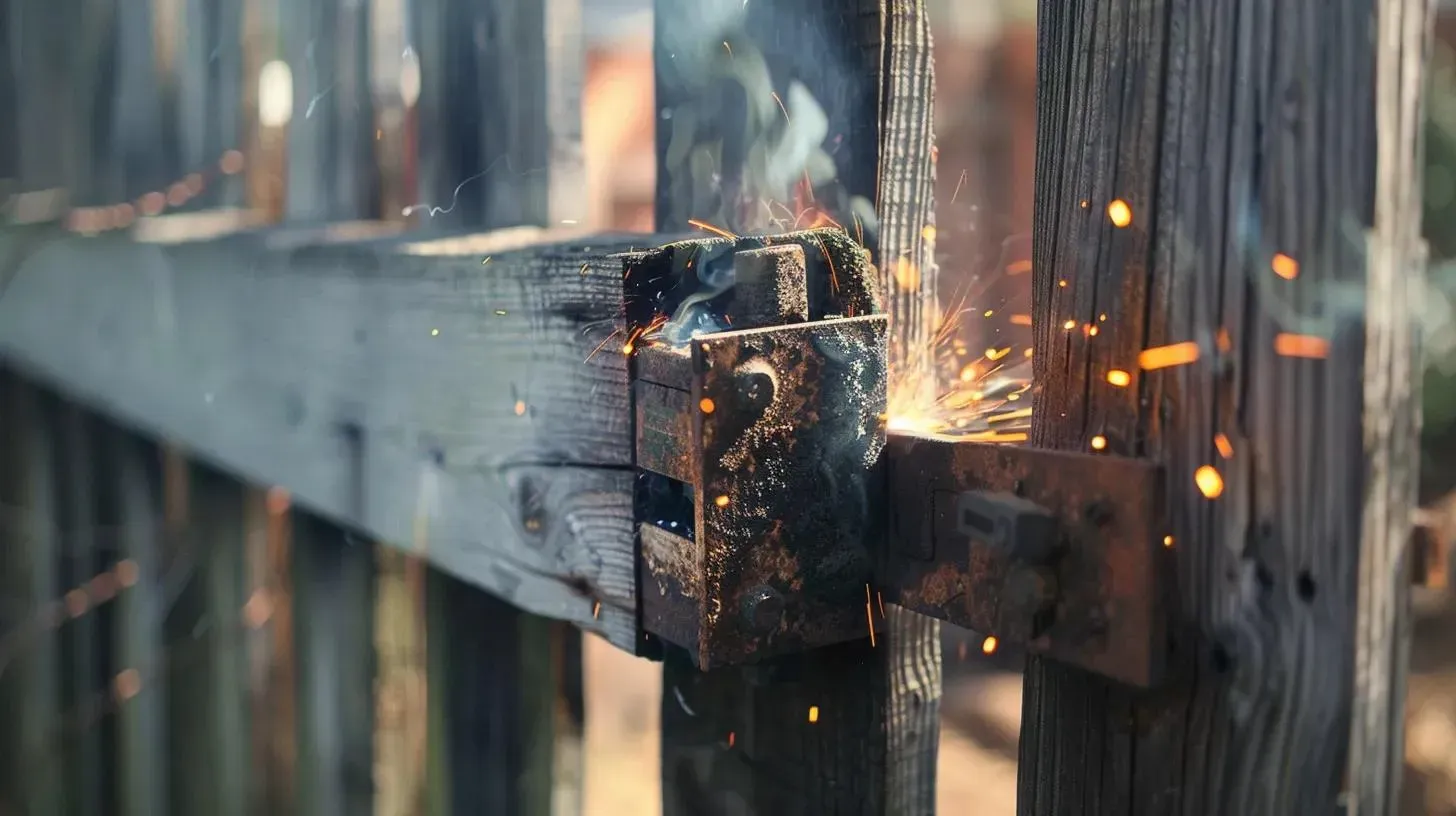
Welding a sagging gate hinge by a wooden fence

Two real-world prep examples

Example 1: Welding a sagging gate hinge by a wooden fence
You clear leaves and cardboard from the fence line, move plastic bins away, and keep the gate latched so it doesn’t swing while the hinge is repaired. With a clean work zone and no bystanders on the other side of the fence, the welder can focus on the repair without chasing hazards.

Example 2: Trailer weld repair in a driveway beside a cluttered garage
You pull the trailer a few feet away from the garage, move oily rags and boxes inside to a safe area, and sweep the driveway edges. The work area is easier to access, cables stay out of a clutter zone, and there’s less chance of sparks finding something that smolders.

If you’re scheduling with MS FixIt, you can mention your setup details (garage vs driveway, nearby combustibles, access notes) when you send photos through the contact form.


Next step

Not sure which service you need? See what MS FixIt handles and get routed to the right solution at MS FixIt Services.


Recent Posts

Questions to Ask Before Hiring a Mobile Welder (Homeowner Vetting Guide)
By Spencer Gordon February 10, 2026
Use this homeowner checklist to vet a mobile welder: safety planning, weld quality signals, insurance, and the questions that prevent repeat failures. Includes a decision table and FAQs.
Rust Near a Weld: Cosmetic or Structural? How to Tell
By Spencer Gordon February 10, 2026
Rust near a weld isn’t always structural—but sometimes it is. Use this diagnostic guide with a comparison table, triage checklist, examples, and red flags to judge risk.
Mobile Welding On-Site vs Shop: What Can Be Fixed Where?
By Spencer Gordon February 10, 2026
Learn what mobile welders can usually fix on-site, when a shop setup is smarter, and how to decide using a comparison table, checklist, examples, and red flags.

When to Stop Using a Trailer Because of Weld Damage (Safety Guide)
By Spencer Gordon February 10, 2026
Not sure if it’s safe to tow with a cracked weld? Use this safety decision guide with a stop-use checklist, decision table, red flags, and real examples.
Mobile Welding Cost: What Affects the Price? (Factors + Checklist)
By Spencer Gordon February 10, 2026
Mobile welding quotes vary based on travel/setup, prep and fit-up, metal type/thickness, access, and finish level. Use the comparison table, checklist, and examples to avoid surprises.
Signs of a Strong Weld Repair: How to Tell If a Weld Is Good
By Spencer Gordon February 10, 2026
Learn what a quality weld repair looks like, the red flags to watch for (cracks, undercut, porosity), what questions to ask, and a quick decision table for gates, trailers, and brackets.
Steel vs Aluminum Welding Repairs: What Changes (Decision Guide)
By Spencer Gordon February 10, 2026
Steel and aluminum can both be welded—but repairs behave differently. Use this side-by-side guide with a decision table, homeowner checklist, examples, and red flags.
Can You Weld Galvanized Steel? Risks, Symptoms, and Safer Options
By Spencer Gordon February 10, 2026
Yes, you can weld galvanized metal—but zinc fumes can be hazardous. Learn the risks, red flags, safer alternatives, and what to ask before approving the job.
Why Welds Crack on Trailers and Gates (Causes + Prevention)
By Spencer Gordon February 10, 2026
Learn why welds crack on trailers and gates—fatigue, stress concentration, misalignment, and corrosion—and use a prevention checklist and cause table to reduce repeat failures.
Repair vs Replace a Cracked Trailer Weld: How to Decide
By Spencer Gordon February 10, 2026
Not sure whether to repair or replace a cracked trailer weld? Use this decision guide with a side-by-side comparison table, checklist, examples, and red flags.
Show More