
What Can a Mobile Welder Fix On-Site vs Needing a Shop?

Spencer Gordon • February 10, 2026

Share this article

What Can a Mobile Welder Fix On-Site vs Needing a Shop?

Mobile welding is ideal when the metalwork is attached to something heavy, awkward, or installed—like a gate, railing, trailer, or bracket you don’t want to haul across town. But not every weld job is a good on-site candidate. This guide helps you decide what typically works on-site versus when a shop setup is the better plan, without turning into a how-to.

If you’re deciding which MS FixIt service path fits your project, start with the services overview.


What can a mobile welder usually fix on-site?

Most on-site jobs are repairs and reinforcements where the item can be stabilized, the work area can be accessed, and the fix doesn’t require precision equipment or full disassembly. In practical terms, mobile welding shines when the goal is to restore strength and function where the metal already lives.

Common on-site candidates include:

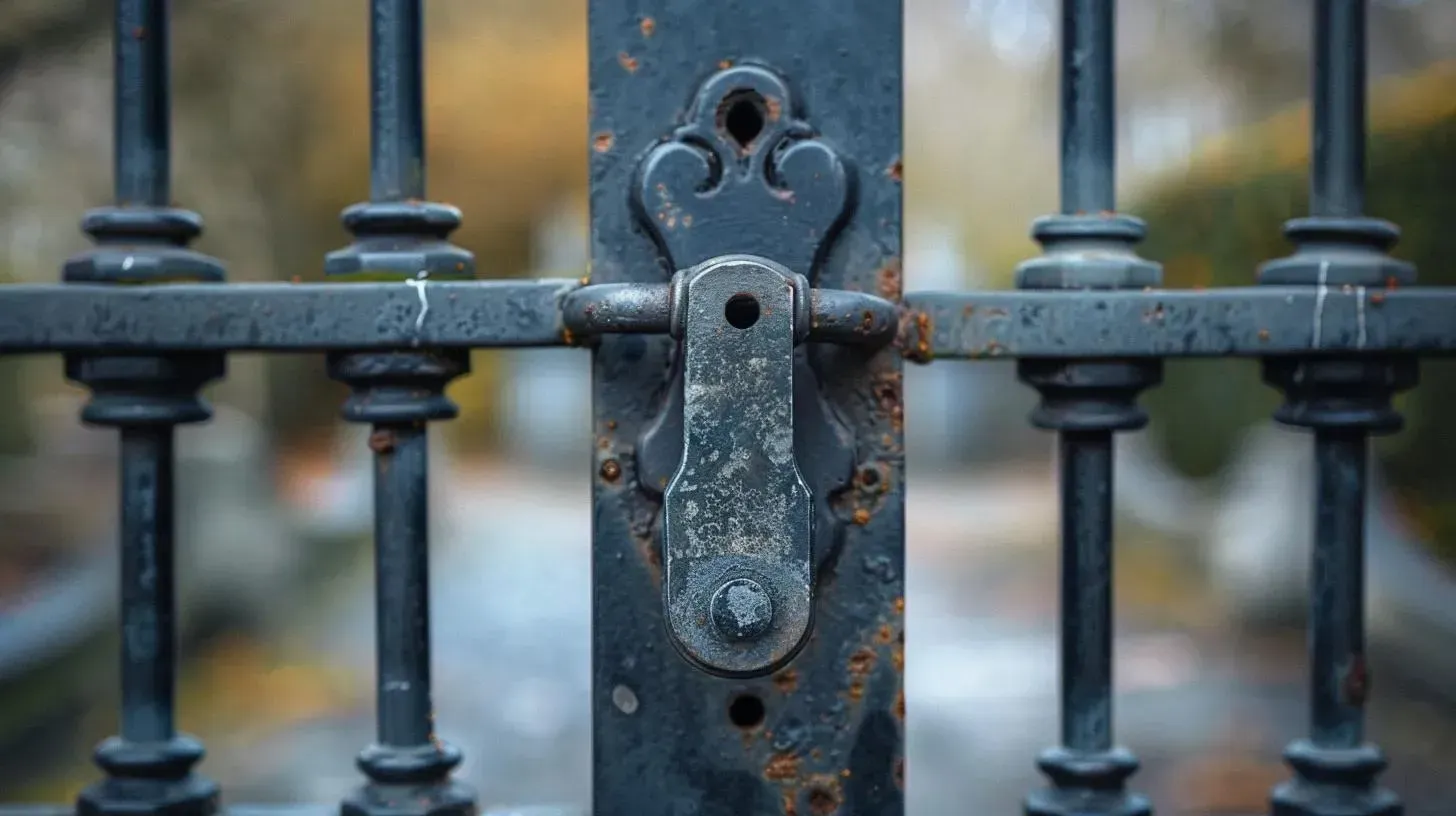
  • Gate hinge and latch bracket repairs
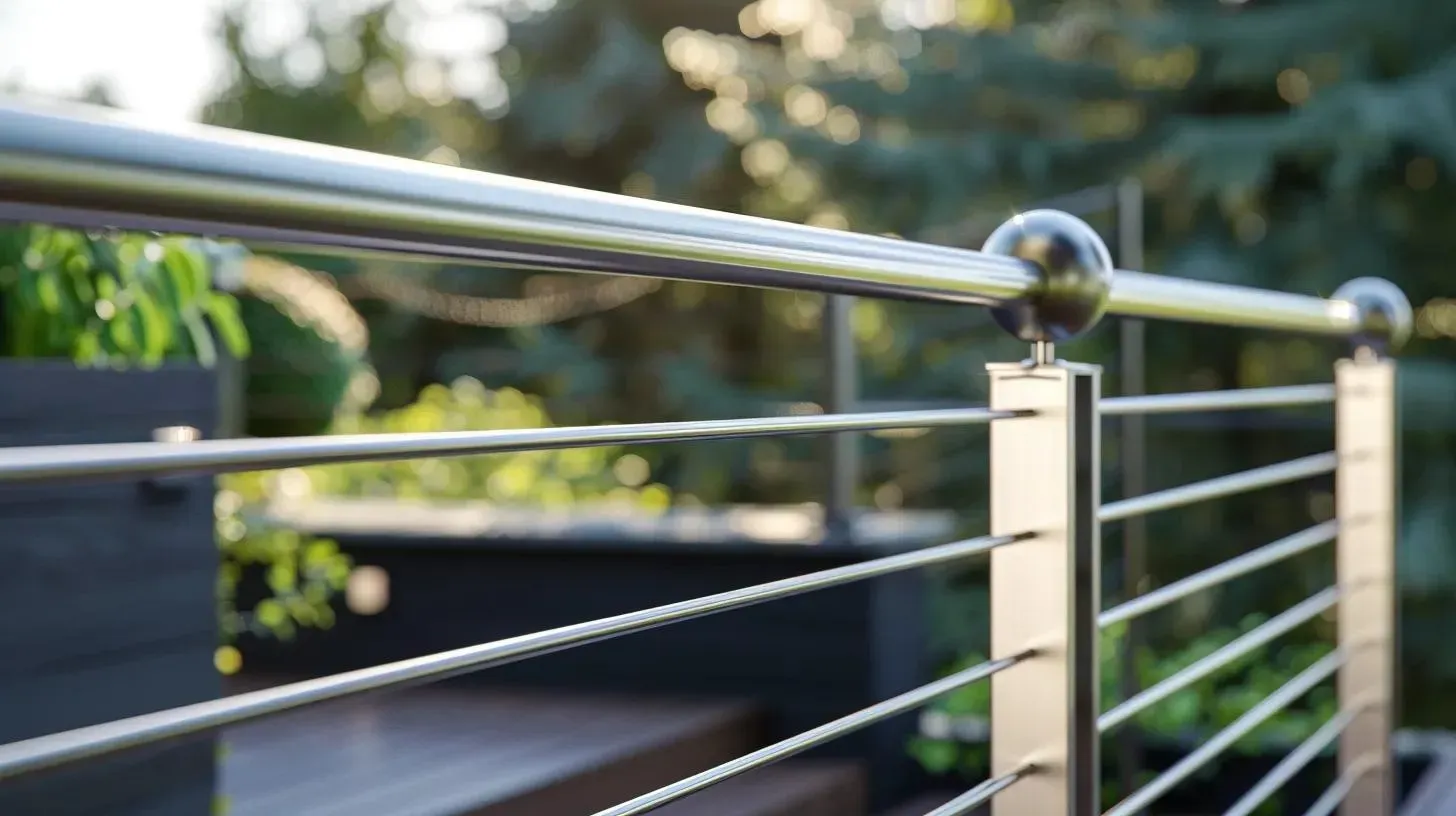
  • Fence, railing, and stair hardware repairs
  • Trailer bracket, hinge, and localized frame/crossmember repairs (when access is reasonable)
  • Equipment mounts, small brackets, and cracked joints on steel assemblies
  • Reinforcement plates or gussets where stress is concentrated

If you want a quick picture of what MS FixIt typically handles under mobile welding, this scope page is the best reference: “MS FixIt – Mobile Welding Services”.


When is taking it to a shop usually the smarter option?

A shop is usually the better option when the job needs tight tolerances, controlled positioning, specialized tools, or consistent environmental conditions. If the best outcome depends on precision fit-up, repeatable alignment, or complex fabrication, a shop environment often reduces rework risk.

Shop-leaning scenarios commonly include:

  • Fabrication that depends on accurate jigs/fixtures or repeatable measurements
  • Work that requires substantial disassembly (the “real” job is teardown + rebuild)
  • Thin materials or complex aluminum work where distortion control is critical
  • Situations where access is so poor that safe, consistent weld placement is unrealistic
  • Repairs that are better addressed by replacing a component (not just welding what’s broken)


What factors decide on-site feasibility in the real world?

On-site feasibility is usually decided by access, stability, cleanliness/prep needs, and the need for precision. You don’t need to know welding theory—you just need to describe these constraints clearly.

The four feasibility questions

  1. Can the welder reach it? (open access vs cramped corner/overhead)
  2. Can the item be stabilized? (no movement during fit-up)
  3. Is there sound metal to weld to? (not severely thinned/crumbly)
  4. Does the repair require precision alignment? (or just structural restoration)


Decision table: on-site vs shop (what usually pushes the call one way)

Job detail On-site usually works when… Shop is usually better when… What to send in your message
Access to the joint You can reach the weld zone comfortably It’s boxed in, overhead, or blocked by structure Wide photo showing approach path + close-up
Stability / movement The item can be braced, clamped, or chocked The joint shifts and can’t be held in position Note what moves when you push/pull it
Precision needs The goal is strength/function restoration Alignment/tolerance is critical (fit must be exact) Explain what must line up and why
Material + thickness Typical steel repairs with workable thickness Very thin sections or finicky material constraints Close-up of thickness/edge profile
Scope complexity One or a few localized repair points Multi-step disassembly or complex fabrication Label repair spots: Spot 1, Spot 2, Spot 3
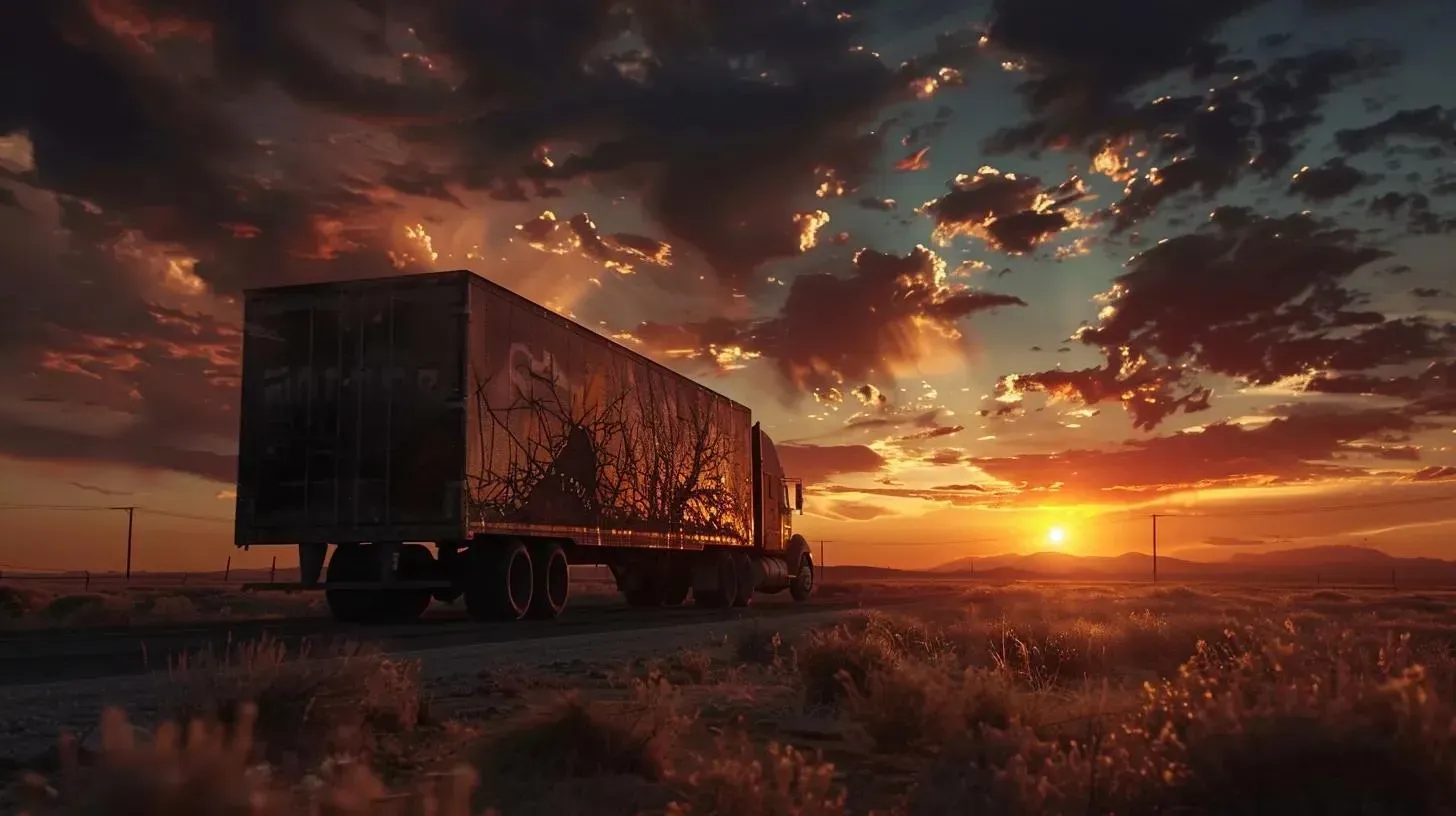
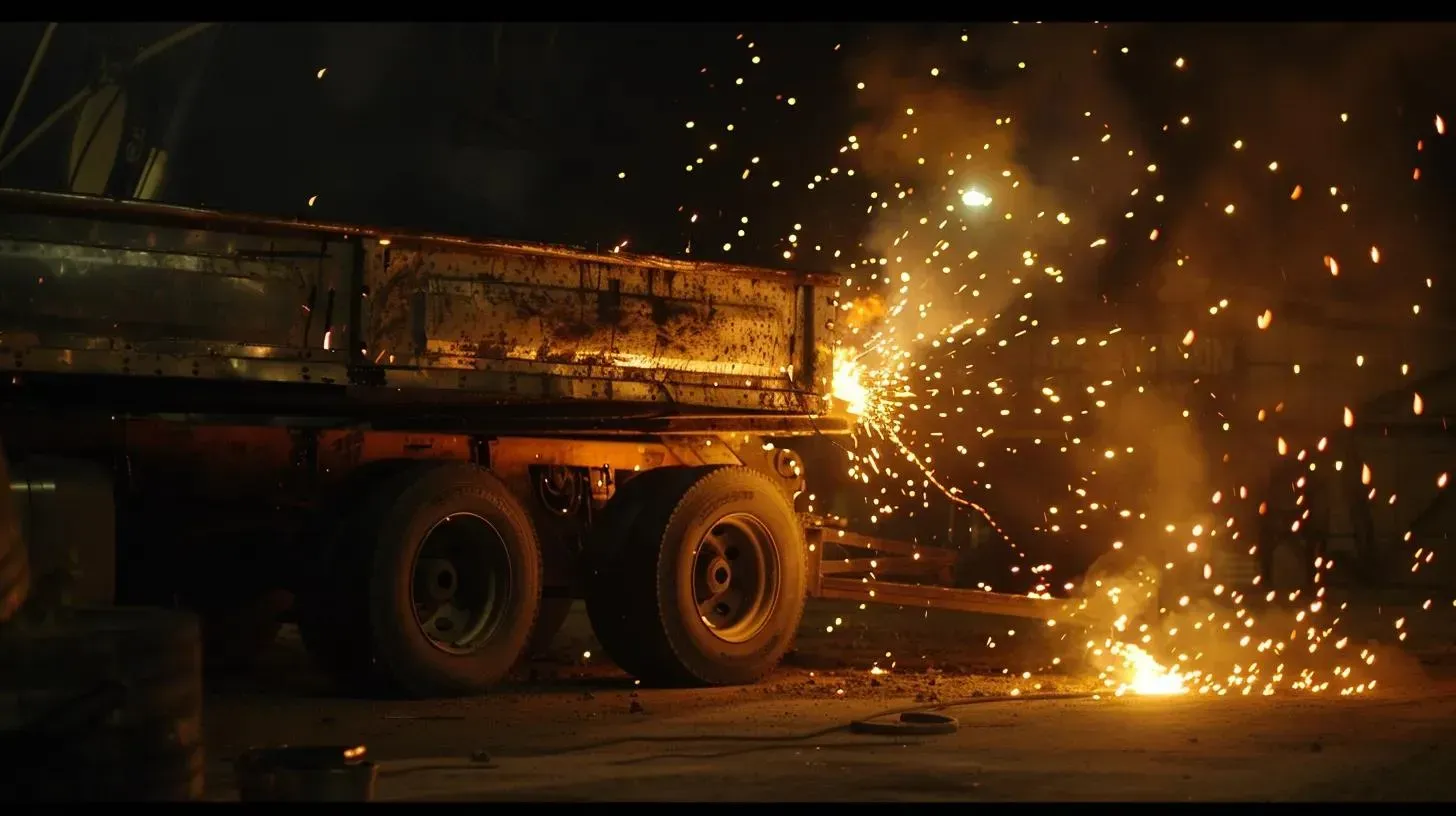
Welding sparks erupt from the side of a large truck bed at night.

How can you prep the item so on-site welding is more likely to work?

Make the job “easy to reach and hard to move.” Small prep steps can be the difference between a clean on-site repair and a job that’s better handled elsewhere.

On-site readiness checklist

  • Clear a path so the welder can stand and work comfortably at the joint.
  • Stabilize the item (chock a trailer; latch/brace a gate; support a loose bracket).
  • Expose the problem area (remove loose coverings or obstructions if safe to do so).
  • Identify every repair point and label them in photos (Spot 1, Spot 2, Spot 3).
  • Decide what “done” means: functional, reinforced, or also smoothed/paint-ready.

If you want a quick “on-site vs. shop” recommendation, send a wide photo and a close-up, and include access notes (open, cramped, overhead) through MS FixIt – Contact”.


Common mistakes / red flags that lead to the wrong decision

Most misfires happen when the request describes the crack but not the constraints.

  • Only sending a close-up (no one can judge access or stability)
  • Not mentioning that the joint moves or the item won’t sit in position
  • Assuming every aluminum repair is the same (some are great on-site; others aren’t)
  • Mixing “repair” and “precision fit” goals without stating which matters more
  • Adding extra “while you’re here” weld points without labeling them (scope confusion)


Two realistic examples (how the decision plays out)

Example 1: Gate hinge bracket on a steel gate (often on-site)
The hinge bracket weld cracked, but the gate can be latched shut, the area is accessible from the driveway, and the repair goal is to restore strength and smooth operation. That’s typically a clean on-site candidate.

Example 2: Thin aluminum trailer component with tight alignment (often shop-leaning)
A thin aluminum member cracked near a joint that also needs precise alignment so a ramp or bracket fits correctly. Because distortion control and fit-up are central to success, a controlled shop setup can be the better plan.


Frequently Asked Questions

  • Can a mobile welder do fabrication, or only repairs?

    Some light fabrication can be done on-site, but jobs that depend on tight repeatability or fixtures are usually better handled in a shop. The practical rule is: the more the job depends on precision, the more a shop helps.


  • What’s the fastest way to tell if my job is an on-site candidate?

    Send one wide photo that shows the whole setup and access path, then two close-ups of the joint from different angles—plus a note on whether the part moves. That’s usually enough to make an on-site vs shop call.


  • If it’s “shop-leaning,” does that mean I can’t get help?

    Not at all. “Shop-leaning” just means the best result may require a different setup. The next step is clarifying what outcome matters most (speed, durability, precision) and choosing the approach that fits.


Next step

To route your request to the right service and see what MS FixIt handles across welding and repair work, start here: MS FixIt – Services”.


Recent Posts

Questions to Ask Before Hiring a Mobile Welder (Homeowner Vetting Guide)
By Spencer Gordon February 10, 2026
Use this homeowner checklist to vet a mobile welder: safety planning, weld quality signals, insurance, and the questions that prevent repeat failures. Includes a decision table and FAQs.
Rust Near a Weld: Cosmetic or Structural? How to Tell
By Spencer Gordon February 10, 2026
Rust near a weld isn’t always structural—but sometimes it is. Use this diagnostic guide with a comparison table, triage checklist, examples, and red flags to judge risk.
When to Stop Using a Trailer Because of Weld Damage (Safety Guide)
By Spencer Gordon February 10, 2026
Not sure if it’s safe to tow with a cracked weld? Use this safety decision guide with a stop-use checklist, decision table, red flags, and real examples.
Mobile Welding Cost: What Affects the Price? (Factors + Checklist)
By Spencer Gordon February 10, 2026
Mobile welding quotes vary based on travel/setup, prep and fit-up, metal type/thickness, access, and finish level. Use the comparison table, checklist, and examples to avoid surprises.
Signs of a Strong Weld Repair: How to Tell If a Weld Is Good
By Spencer Gordon February 10, 2026
Learn what a quality weld repair looks like, the red flags to watch for (cracks, undercut, porosity), what questions to ask, and a quick decision table for gates, trailers, and brackets.
Steel vs Aluminum Welding Repairs: What Changes (Decision Guide)
By Spencer Gordon February 10, 2026
Steel and aluminum can both be welded—but repairs behave differently. Use this side-by-side guide with a decision table, homeowner checklist, examples, and red flags.
Can You Weld Galvanized Steel? Risks, Symptoms, and Safer Options
By Spencer Gordon February 10, 2026
Yes, you can weld galvanized metal—but zinc fumes can be hazardous. Learn the risks, red flags, safer alternatives, and what to ask before approving the job.
Why Welds Crack on Trailers and Gates (Causes + Prevention)
By Spencer Gordon February 10, 2026
Learn why welds crack on trailers and gates—fatigue, stress concentration, misalignment, and corrosion—and use a prevention checklist and cause table to reduce repeat failures.
Repair vs Replace a Cracked Trailer Weld: How to Decide
By Spencer Gordon February 10, 2026
Not sure whether to repair or replace a cracked trailer weld? Use this decision guide with a side-by-side comparison table, checklist, examples, and red flags.
Is Mobile Welding Safe at Home? Prep Checklist for Homeowners
By Spencer Gordon February 10, 2026
Mobile welding can be safe at a home when the work zone is prepared. Use this homeowner checklist to reduce fire and fume risk, protect surfaces, and keep kids/pets safe.
Show More