
When Should You Stop Using a Trailer Because of Weld Damage?

If you notice a cracked weld on your trailer, the safest approach is to assume it can grow quickly under vibration and load. This guide helps you make a stop-use vs limited-move decision based on risk signals you can see—especially for utility and equipment trailers. It’s decision support, not a substitute for a qualified inspection.
If you want to route a welding-related request to the right MS FixIt service, start with the services overview.
When should you stop towing immediately?
Stop towing immediately if the weld damage is in a load-bearing or control-critical area or if you can see movement, deformation, or multiple cracks. Commercial safety guidance treats cracked frames as a serious defect because frame integrity is fundamental to safe operation. See “FMCSA Safety Planner – Frame and Frame Assembly Defects” from the Federal Motor Carrier Safety Administration
Immediate “stop-use” signals include:
- A crack that’s open (you can see a gap) or appears to be growing
- Any visible bending, twisting, or sagging near the cracked weld
- The damaged area supports a critical attachment (see the next section)
- More than one crack in related high-stress spots (pattern, not a one-off)
- A previous repair weld that is now cracked again
Which trailer areas make weld damage most dangerous?
Weld damage is most dangerous when it’s near parts that keep the trailer connected, aligned, and supported. If a crack is in one of these areas, the risk of sudden loss of control or separation is higher.
High-risk locations include:
- Tongue/coupler area (including welds near the coupler plate)
- Safety-chain attachment points
- Spring hangers, equalizers, axle mounts, and suspension brackets
- Main frame rails and crossmember connections that carry the trailer’s load path
- Any weld that, if it let go, would let the load shift into tires, wiring, or moving parts
Is it ever OK to tow “just a short distance” to a repair shop?
Sometimes—but only when the crack appears small, non-progressing, and not in a critical location, and you can move the trailer safely with reduced load and speed. If there’s any doubt (open crack, deformation, critical location), the safer decision is do not tow and arrange transport instead.
If you’re unsure, treat the situation as “stop-use” until a welder can assess it.

What quick checks can you do before deciding to move it?
You’re not trying to diagnose root cause—you’re checking for risk escalation signals. If you see any “yes” answers below, default to stop-use.
Stop-use checklist (60 seconds)
- Can you see an open gap in the crack?
- Does the cracked area move when you rock the trailer by hand?
- Is the crack near the tongue/coupler, safety chains, or suspension mounts?
- Do you see multiple cracks or cracking on both sides of a joint?
- Is there bending/sagging near the crack?
- Is this a repeat crack in a previously repaired weld?
If you answer “yes” to any of these, don’t tow.
Decision table: stop-use vs limited move
Use this as a conservative decision filter. When in doubt, choose the safer column.
| What you observe | What it usually means | Safer decision | Next step |
|---|---|---|---|
| Open crack, visible gap, or crack growing | The joint is actively separating under stress | Stop using immediately | Arrange inspection/repair before any towing |
| Crack near tongue/coupler, safety chains, or suspension mounts | Failure could affect control or separation risk | Stop using immediately | Treat as high priority assessment |
| Any bending/sagging near the weld | Structure is no longer carrying load correctly | Stop using immediately | Avoid testing it by towing |
| Small surface crack in a non-critical bracket with no movement | Risk may be lower (still needs attention) | Limited move only if necessary | Reduce load/speed and get it repaired ASAP |
| Repeat crack in a prior repair weld | Underlying stress pattern may still be present | Stop using unless clearly non-critical | Plan a repair that addresses stress/reinforcement |
If you want a quick “stop-use vs. limited-move” call, send a wide photo of the trailer area plus a close-up of the crack (two angles) through “MS FixIt – Contact”.
Common mistakes / red flags that turn weld damage into a roadside failure
Most dangerous outcomes come from “testing it” under load.
- Towing to see if it holds instead of treating the crack as a warning
- Loading the trailer normally even though the damage is in a load path
- Ignoring a crack because it’s “small” without checking for movement or location risk
- Re-towing after a repair weld re-cracks (repeat failure is a red flag)
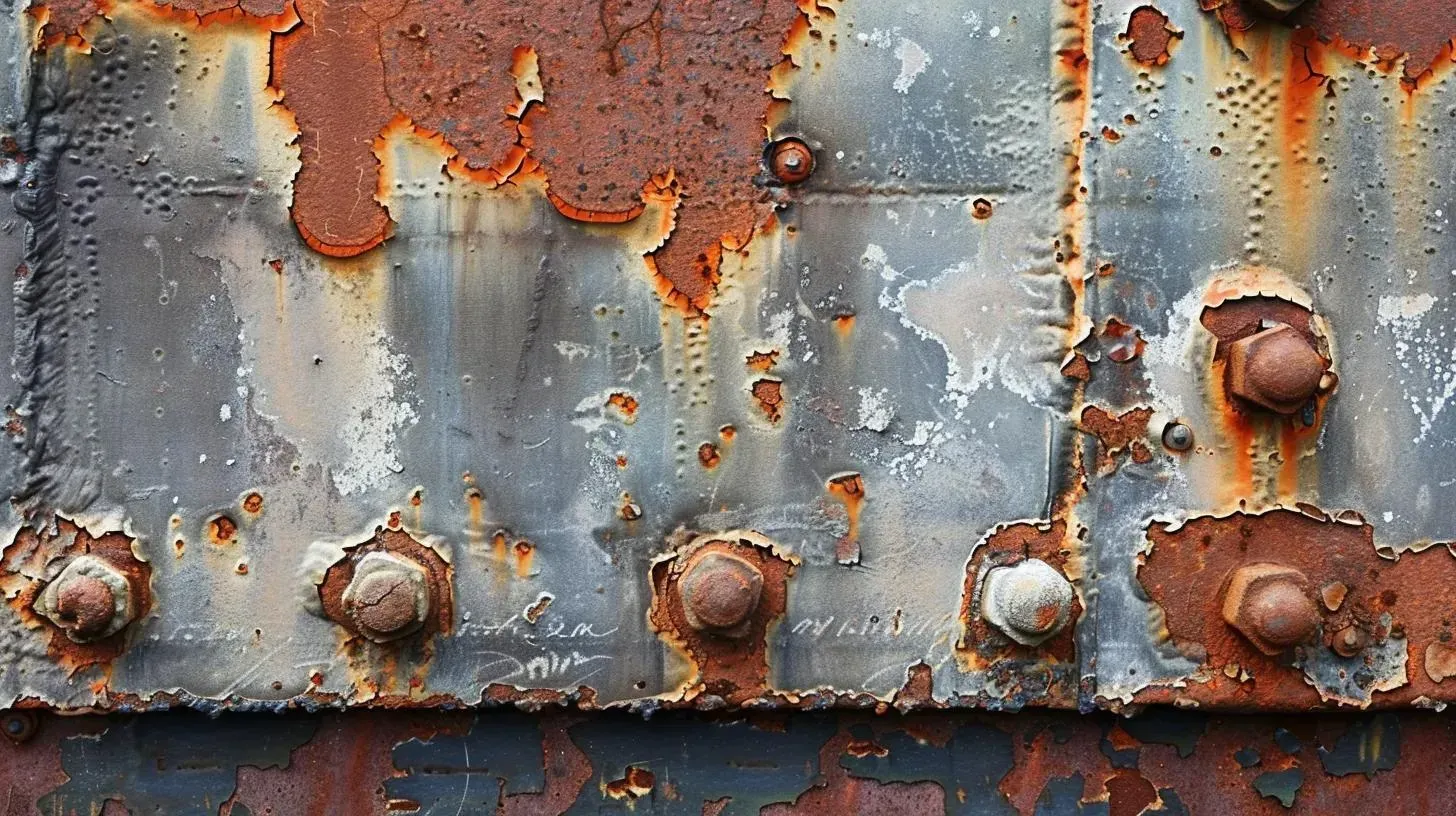
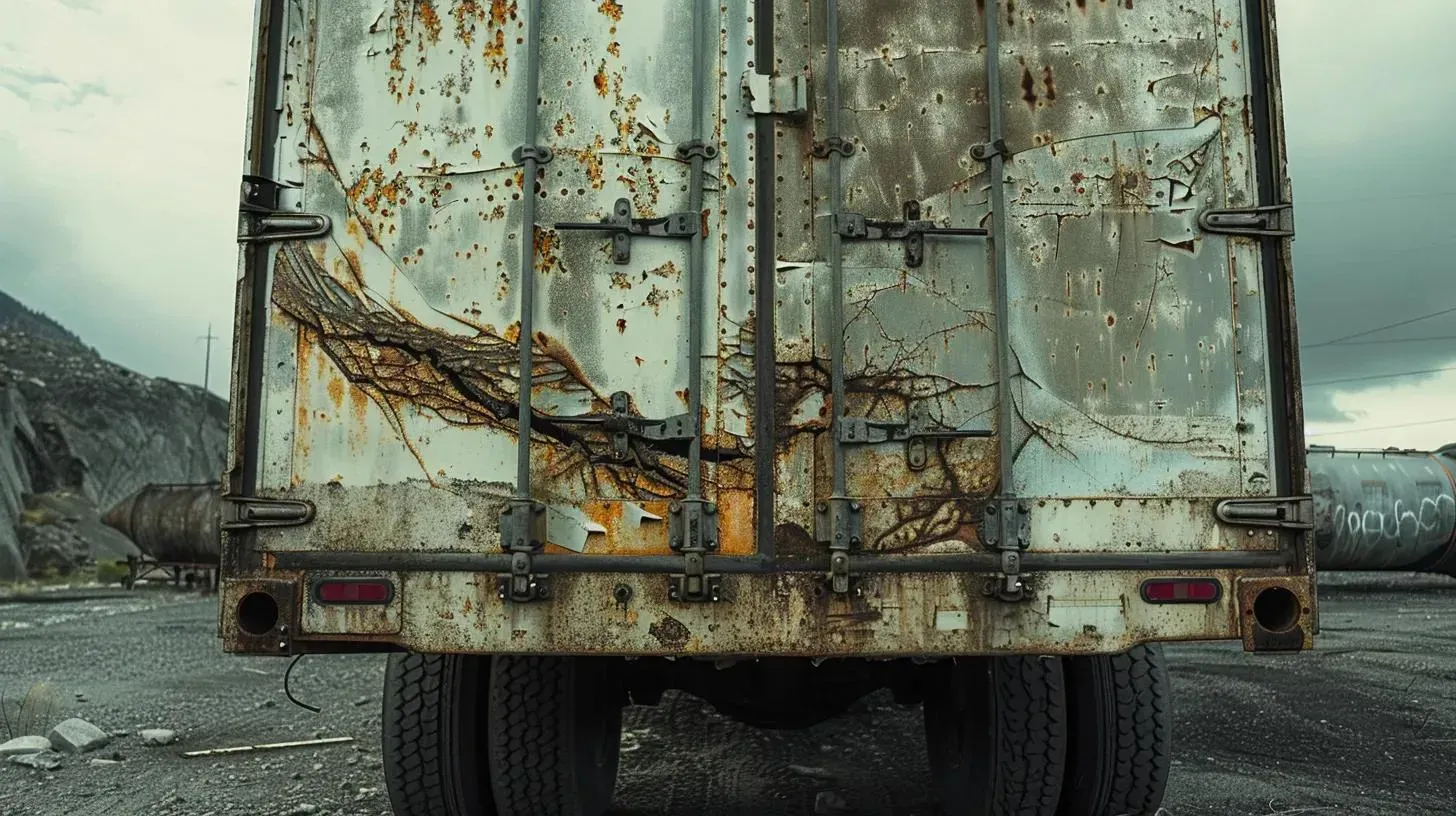
- Assuming paint/rust hides risk—coatings can mask crack lines until they spread
Two realistic examples (how the decision plays out)
Example 1: Crack at a gate-style ramp hinge on a utility trailer
You see a thin crack at one hinge bracket weld, but there’s no deformation, the crack is not open, and the hinge area doesn’t shift when you rock the ramp. This may qualify as a limited, low-load move to a repair location—but it still needs prompt repair because vibration can grow the crack.
Example 2: Crack near a spring hanger with visible movement
You notice cracking at a suspension bracket and can see the joint move slightly when you push on the trailer. That’s a stop-use situation: suspension attachment failures can change alignment and handling quickly, so the safer decision is not to tow.
Frequently Asked Questions
Do commercial safety rules matter for my personal utility trailer?
They’re not a perfect match, but they’re a useful safety benchmark: commercial guidance generally treats cracked frame conditions as serious. If your trailer weld damage is in a structural or control-critical area, it’s reasonable to apply an even more conservative “stop-use” decision.
What if the crack is only in a weld bead and not the surrounding metal?
Even then, it can still reduce joint strength or signal that the joint is under repeated stress. If the crack is in a critical location or any movement is present, treat it as stop-use until evaluated.
What’s the safest next step if I’m not sure?
Don’t tow. Take clear photos (wide + close-ups) and get a qualified assessment. If the job fits on-site work, MS FixIt’s mobile welding page shows what’s typically handled in place.
Next step
To route your request to the right service and see what MS FixIt handles across welding and repair work, start here: “MS FixIt – Services”.