

Mobile Welding Cost: What Factors Change the Price?

Spencer Gordon • February 10, 2026

Share this article

Mobile Welding Cost: What Factors Change the Price?

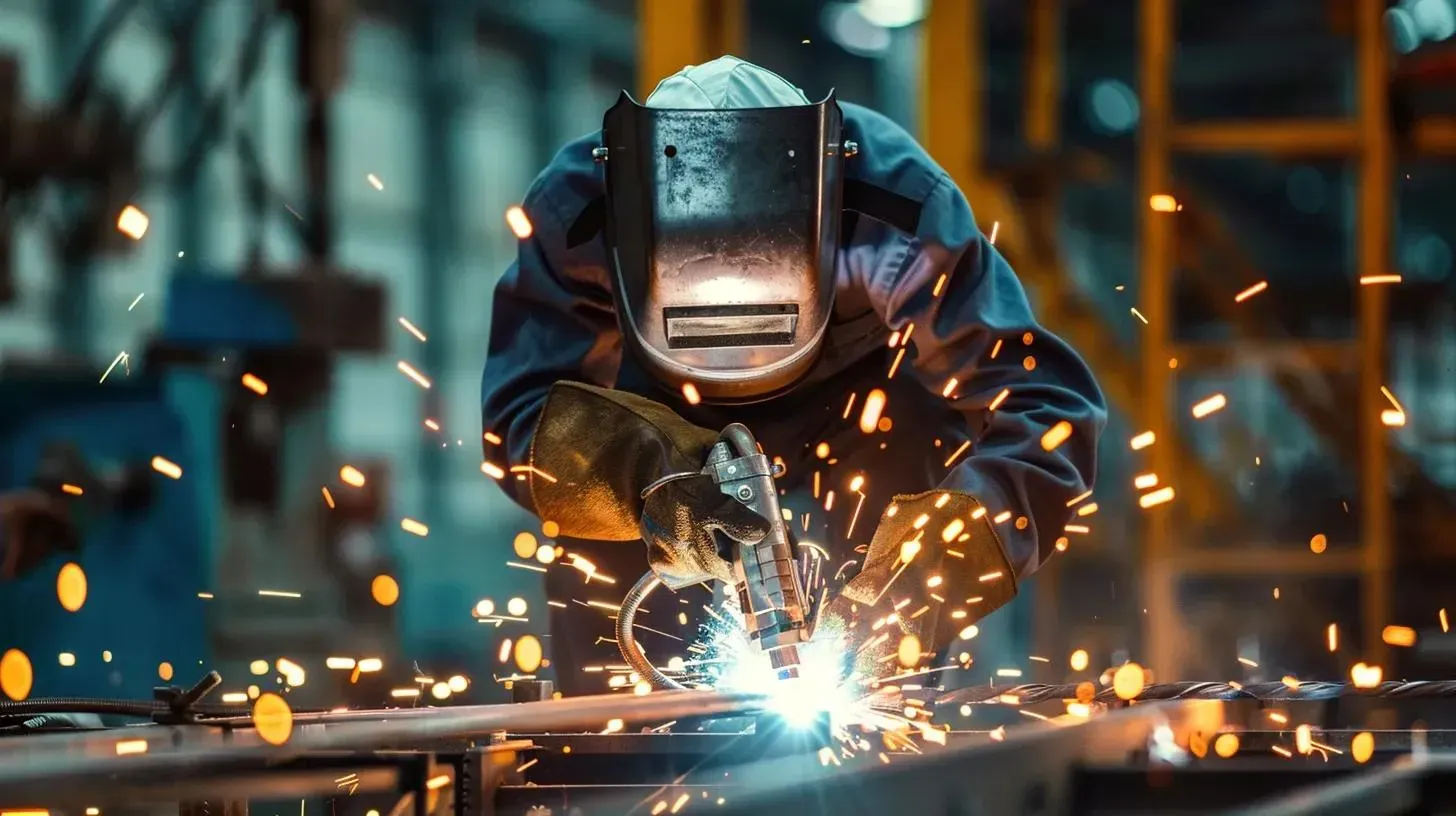
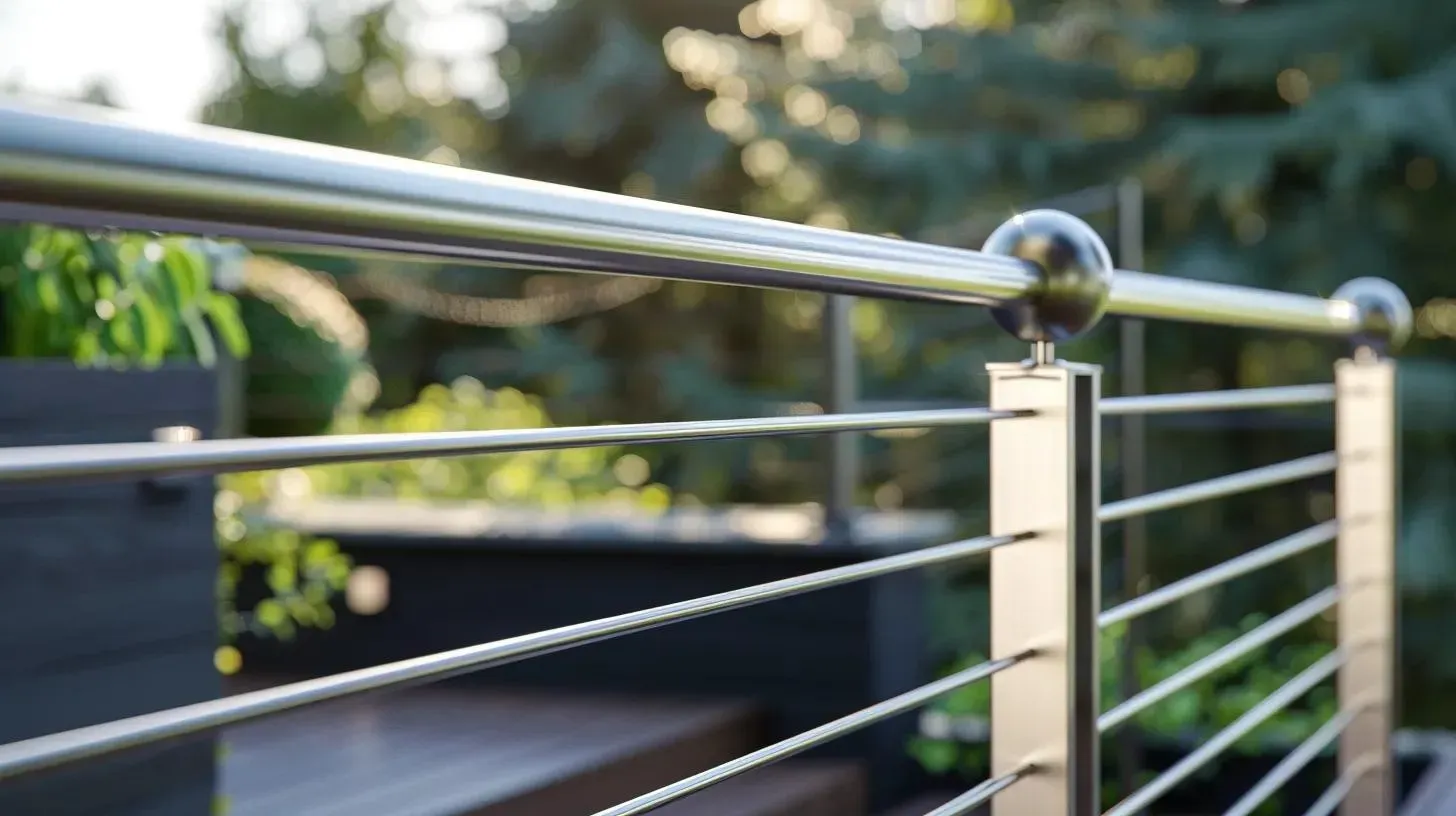
Mobile welding pricing varies because every job is a mix of repair complexity + access + materials + logistics. This guide explains the main drivers that make one quote higher or lower than another, so you can scope your project realistically and avoid surprises. It focuses on typical homeowner and property jobs (trailers, gates, railings, brackets)—not large engineered fabrication projects.

If you want to see the service options MS FixIt routes welding jobs through, start with the services overview.


What are the biggest factors that change a mobile welding quote?

The biggest drivers are usually (1) travel/setup time, (2) how much prep is needed before welding, (3) metal type/thickness, and (4) access and working position. In other words: the welding itself is only part of the time—setup, fit-up, and finishing often decide how long the job really takes.

A simple way to think about it is: more time in “non-weld time” = more variability in the quote.


How does travel and on-site setup affect cost?

Mobile welding includes time to get to you and set up safely. If the job is farther away, harder to park near, or requires extra protection (moving items, shielding nearby surfaces), the setup portion grows.

From a homeowner standpoint, the fastest way to keep this predictable is to make access easy: a clear parking spot, a direct path to the repair area, and a stable item to weld (for example, a chocked trailer or a gate that won’t swing).

If you’re wondering whether your project is a fit for on-site work, MS FixIt’s mobile welding page shows the typical scope.


How do metal type and thickness change the quote?

Metal type and thickness influence time because they change prep, heat control, and filler/consumables. Thicker sections often need more weld material and multiple passes; some metals (like aluminum or stainless) can require tighter control and more cleaning to produce a reliable repair.

If you want a neutral overview of what goes into welding costs (labor time, consumables, and process choices), TWI’s welding cost guidance is a useful reference.


Why does “prep and fit-up” matter so much?

Prep and fit-up are often the hidden time sink. If the crack is covered in paint, rust, grime, or the parts don’t sit together cleanly, the welder has to spend time getting the joint into a condition where a repair will actually bond.

That can include cleaning/grinding, removing damaged metal, aligning parts, clamping, and tack positioning. In many real-world repairs, those steps take as long as (or longer than) the final weld bead.

For a deeper technical explanation of how estimating often accounts for joint prep, deposition rate, and operating factors, this welding cost estimating PDF is a solid overview.


Do access and welding position change labor time?

Yes. A weld that’s easy to reach in a flat position is typically faster than one that’s overhead, cramped, or behind obstructions. Poor access also makes it harder to clamp and stabilize the joint, which can increase total time.

If your repair is in a tight corner (like behind a gate post, under a trailer, or inside a boxed frame area), expect the quote to reflect the extra setup and working time.


Comparison table: what typically pushes a quote up or down

Comparison table: what typically pushes a quote up or down

Quote driver Lower-impact version Higher-impact version What you can do to keep it predictable
Travel + staging Easy driveway access, close parking Long carry distance, tight parking, obstacles Clear a parking spot and direct path to the job
Prep/cleaning Clean bare metal, simple crack Rust/paint/oil contamination, jagged tear Don’t paint over damage; share photos of the true metal condition
Metal thickness Thin/medium sections with simple pass Thick sections needing multiple passes Share thickness estimate or a tape-measure photo for scale
Access/position Open access, stable work surface Overhead/cramped position, joint moves Stabilize the item (chock/brace) and remove obstructions
Scope count One repair location Multiple locations or while-youre-here adds Label each repair spot so scope is clear (Spot 1, Spot 2, Spot 3)

Checklist: what to confirm before you accept a mobile welding quote

This keeps the quote aligned with what you actually need, without turning the conversation into a long back-and-forth.

  • Is this quote for one spot or multiple repair locations?
  • Does it include prep/cleanup (cleaning, alignment, grinding) or only welding time?
  • Is there any access constraint that could change time on-site (tight corner, overhead work, blocked parking)?
  • Is the metal type known (steel/aluminum/unknown) and does that affect the approach?
  • Are there finish steps you expect (basic grind smooth, paint-ready, or leave as-welded)?
  • Is there anything that could expand scope once the area is cleaned (hidden cracking, thin metal)?

 For the most accurate scope, send a wide photo and a close-up, and note any access constraints (garage vs. driveway, tight corner vs. open) through MS FixIt – Contact”.


Common mistakes / red flags that lead to surprise costs

Most surprises come from unclear scope or hidden prep work.

  • Only describing the crack, not showing the whole setup (access changes time).
  • Mixing multiple repairs in one request without labeling each spot.
  • Assuming prep is free (paint/rust/grime removal takes time).
  • Not stabilizing the item (movement during fit-up slows everything down).
  • Changing the finish expectation after the quote (for example, asking for “paint-ready smooth” after approving “as-welded”).


Two real-world examples (why quotes vary)

Example 1: Gate hinge repair with easy access (predictable quote)
A hinge bracket crack is visible, the gate is stable, and the repair area is accessible from the driveway. The scope is one repair spot with minor cleaning, so the quote tends to be straightforward.

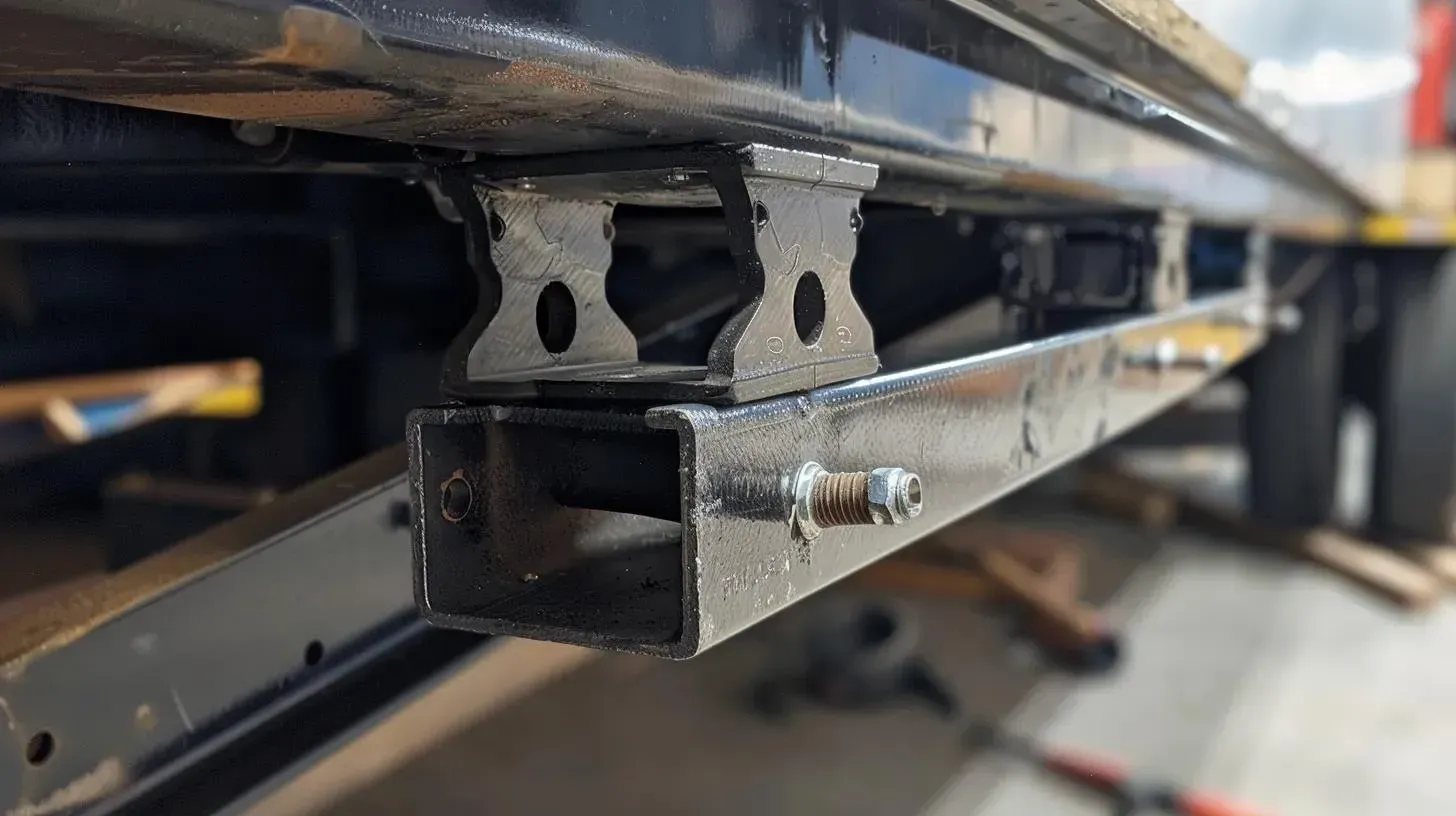
Example 2: Trailer bracket repair under a frame rail (quote shifts upward)
The bracket is under the trailer, access is cramped, and the metal is coated with old paint and road grime. Even if the weld itself is short, time increases because the joint must be cleaned, clamped, and welded in a tighter working position.


FAQ (mobile welding pricing questions)

  • Why do two welders give different quotes for the same job?

    They may be assuming different levels of prep, finish quality, and scope control. One quote might include more cleaning, alignment, and finishing work, while another assumes a simpler “weld only” approach.


  • Is mobile welding usually hourly or flat-rate?

    Both models exist. Hourly can work for truly unknown scope; flat-rate can work well when photos and measurements make scope clear. The best choice is the one that matches how predictable the job is.


  • What makes a quote “expand” after work starts?

    Most often it’s hidden damage revealed during cleaning (thin metal, longer cracking) or scope changes (adding extra repair spots or requesting a higher finish level).


Next step

To route your welding request to the right service and see what MS FixIt handles across mobile welding and repairs, start here: MS FixIt – Services”.


Recent Posts

Questions to Ask Before Hiring a Mobile Welder (Homeowner Vetting Guide)
By Spencer Gordon February 10, 2026
Use this homeowner checklist to vet a mobile welder: safety planning, weld quality signals, insurance, and the questions that prevent repeat failures. Includes a decision table and FAQs.
Rust Near a Weld: Cosmetic or Structural? How to Tell
By Spencer Gordon February 10, 2026
Rust near a weld isn’t always structural—but sometimes it is. Use this diagnostic guide with a comparison table, triage checklist, examples, and red flags to judge risk.
Mobile Welding On-Site vs Shop: What Can Be Fixed Where?
By Spencer Gordon February 10, 2026
Learn what mobile welders can usually fix on-site, when a shop setup is smarter, and how to decide using a comparison table, checklist, examples, and red flags.
When to Stop Using a Trailer Because of Weld Damage (Safety Guide)
By Spencer Gordon February 10, 2026
Not sure if it’s safe to tow with a cracked weld? Use this safety decision guide with a stop-use checklist, decision table, red flags, and real examples.
Signs of a Strong Weld Repair: How to Tell If a Weld Is Good
By Spencer Gordon February 10, 2026
Learn what a quality weld repair looks like, the red flags to watch for (cracks, undercut, porosity), what questions to ask, and a quick decision table for gates, trailers, and brackets.
Steel vs Aluminum Welding Repairs: What Changes (Decision Guide)
By Spencer Gordon February 10, 2026
Steel and aluminum can both be welded—but repairs behave differently. Use this side-by-side guide with a decision table, homeowner checklist, examples, and red flags.
Can You Weld Galvanized Steel? Risks, Symptoms, and Safer Options
By Spencer Gordon February 10, 2026
Yes, you can weld galvanized metal—but zinc fumes can be hazardous. Learn the risks, red flags, safer alternatives, and what to ask before approving the job.
Why Welds Crack on Trailers and Gates (Causes + Prevention)
By Spencer Gordon February 10, 2026
Learn why welds crack on trailers and gates—fatigue, stress concentration, misalignment, and corrosion—and use a prevention checklist and cause table to reduce repeat failures.
Repair vs Replace a Cracked Trailer Weld: How to Decide
By Spencer Gordon February 10, 2026
Not sure whether to repair or replace a cracked trailer weld? Use this decision guide with a side-by-side comparison table, checklist, examples, and red flags.
Is Mobile Welding Safe at Home? Prep Checklist for Homeowners
By Spencer Gordon February 10, 2026
Mobile welding can be safe at a home when the work zone is prepared. Use this homeowner checklist to reduce fire and fume risk, protect surfaces, and keep kids/pets safe.
Show More