
Can You Weld Galvanized Metal? Yes—But Understand the Risks First

You can weld galvanized steel, but heating the zinc coating can create fumes that may make people sick if exposure isn’t controlled. This article is written for homeowners dealing with galvanized gates, trailer parts, railings, and brackets who want to understand the risks and make a safer decision. It does not teach DIY welding.
If you’re deciding which MS FixIt service path fits your project, start with the services overview.
Can you weld galvanized steel?
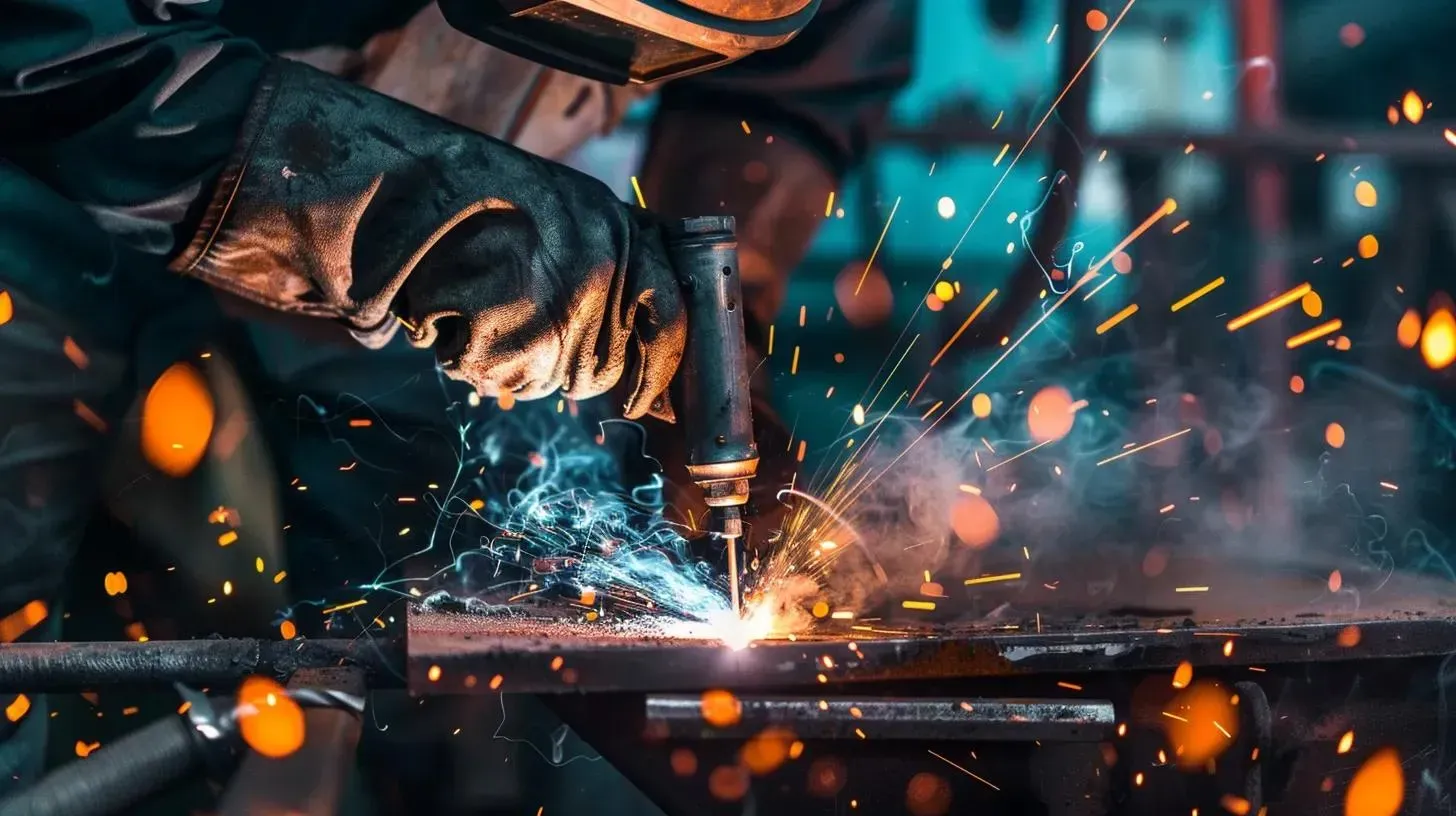
Yes—galvanized steel can be welded, but the zinc coating introduces two big considerations: (1) fume exposure risk and (2) weld quality/corrosion protection changes around the welded area. Many safety resources specifically identify galvanized steel as a source of zinc-oxide fumes during welding, which can pose health risks if not properly controlled. See “OSHA Welding Safety – Shipbuilding and Repair”.
For homeowners, the practical meaning is: it’s not “just another weld.” It’s a weld that requires better planning to keep fumes away from people and to prevent early rusting around the repair.
What are the real health risks when welding galvanized metal?
The most talked-about short-term issue is metal fume fever, a flu-like illness linked to inhaling freshly formed metal oxides (zinc oxide is a common one when welding galvanized steel). Reported symptoms can include fever, chills, fatigue, nausea, cough, and a metallic taste, as described in guidance from the Centers for Disease Control and Prevention (CDC). See “NIOSH Pocket Guide: Zinc Oxide”.
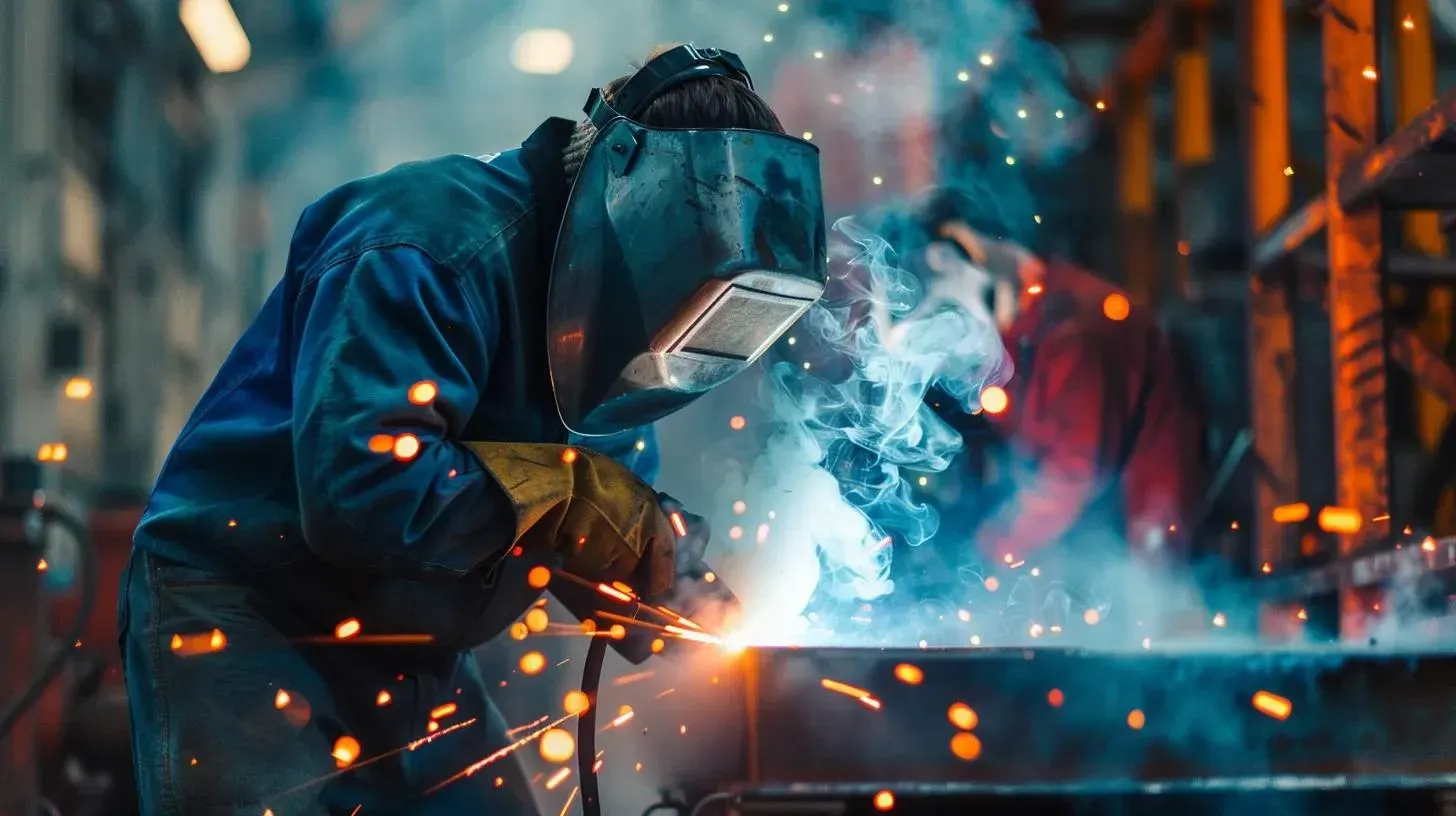
Welding in garages or tight spaces increases the chance of breathing higher concentrations because fumes don’t disperse as easily. OSHA guidance highlights ventilation and other controls as key methods for reducing welding-fume exposure, see OSHA Fact Sheet: Welding, Cutting, and Brazing.
How do you reduce risk without turning this into a DIY project?
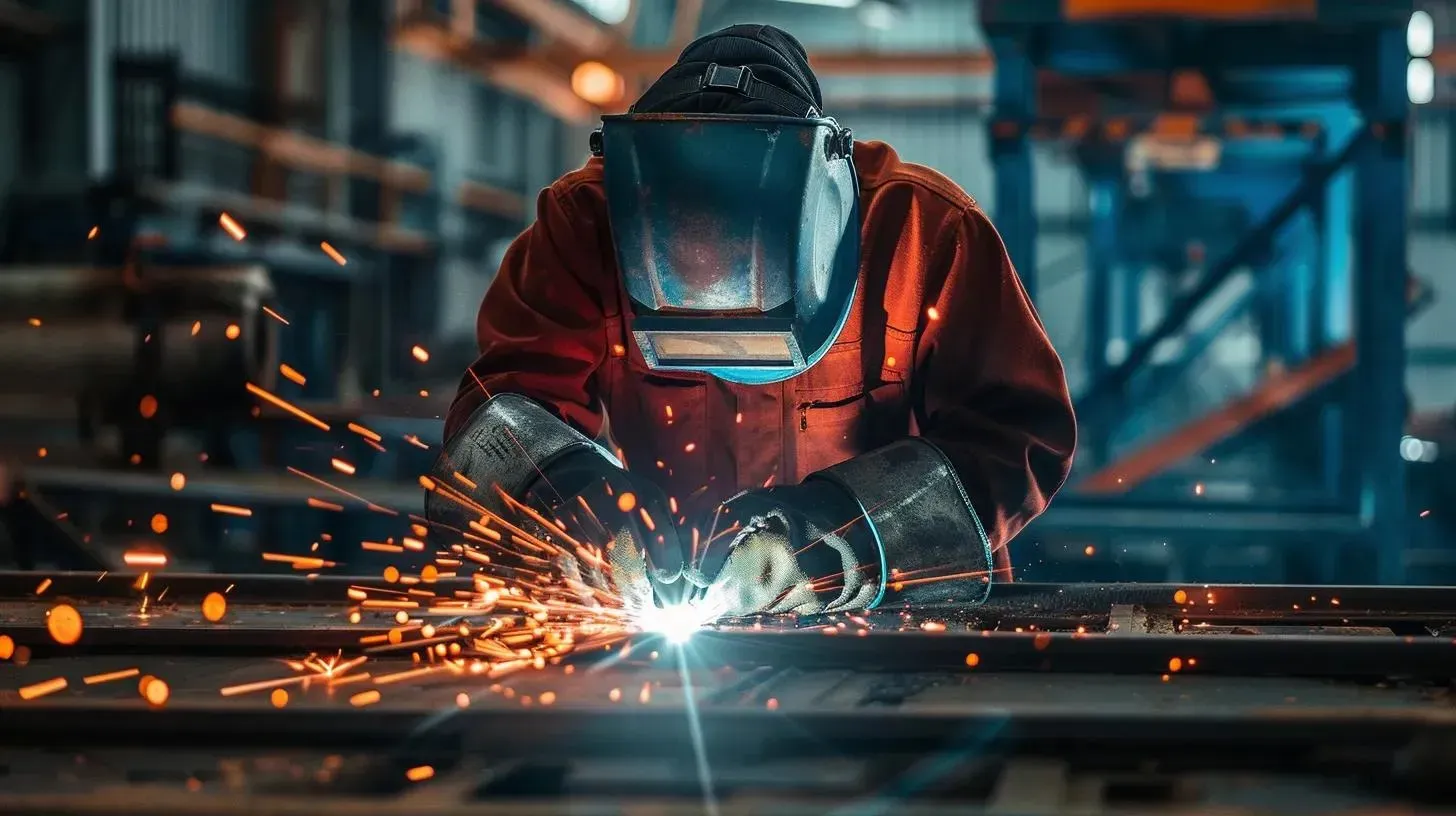
The safest homeowner move is to treat galvanized welding like a controlled hot-work task and make sure the person doing the work plans for fume control. That usually means:
- Keeping the work outdoors when possible
- Using local exhaust / fume extraction or strong airflow strategies that move the plume away
- Keeping bystanders (kids, pets, neighbors) out of the area and out of line-of-sight
- Avoiding welding in enclosed spaces without proper ventilation controls
If your job is a good fit for on-site work, you can see what MS FixIt typically handles under mobile welding here.

What’s the smartest decision question to ask: “Should we weld it at all?”
The smartest decision question is: Can the repair be completed safely with controlled exposure, or is there a lower-risk alternative that achieves the same result?
Sometimes welding is still the best option. Other times, a non-weld fix (replacement part, mechanical fasteners, redesigning the bracket) reduces both fume exposure and future corrosion issues.
Comparison table: common ways to handle galvanized repairs
| Option | When it’s often appropriate | Main risk trade-off | What to verify before approving |
|---|---|---|---|
| Weld the galvanized part (pro-controlled setup) | Structural repair where welding is the most reliable fix | Higher fume-control requirements | Confirm ventilation/extraction plan and bystander control |
| Weld after the coating is addressed near the joint (handled by the pro) | When coating interferes with weld quality or increases fume load | Still requires fume controls and re-protection afterward | Ask how corrosion protection will be restored around the repair |
| Replace the damaged piece with uncoated steel and then protect it | When the part is easily replaceable and you want simpler future repairs | Material/fit may change; still needs coating/paint protection | Confirm fit-up and the protection method for outdoor exposure |
| Use a non-weld solution (brackets/bolts/fasteners) | When loads are modest and a mechanical fix is structurally acceptable | May loosen over time if vibration is high | Ask about load path and periodic re-tightening needs |
Homeowner checklist: what to ask before anyone welds galvanized metal
Use this as a quick “go/no-go” conversation starter.
- Is the part definitely galvanized (or painted with a zinc-rich coating)?
- Will the work be outdoors or in a well-ventilated area?
- What’s the plan to control fumes (positioning, airflow, extraction)?
- How will kids/pets/bystanders be kept away from the work zone?
- How will the area around the weld be protected from early rust afterward?
- Is there a reasonable non-weld alternative for this specific load/use?
If you want a quick yes/no on whether your galvanized repair is a good candidate for on-site welding, send a wide photo + close-up and note whether it’s in a garage or outdoors via Contact.
Red flags that mean you should pause or change the plan
If any of these are true, it’s usually smarter to stop and reset the job setup rather than “push through.”
- The work would happen in a garage or enclosed space with poor airflow
- People want to stand nearby to watch
- The repair is next to stored chemicals, fuel cans, aerosols, or clutter
- Nobody can clearly explain how fumes will be controlled
- The plan ignores how the area will be protected from rust afterward
Two realistic homeowner scenarios
Scenario 1: Galvanized gate hinge bracket near a shared fence line
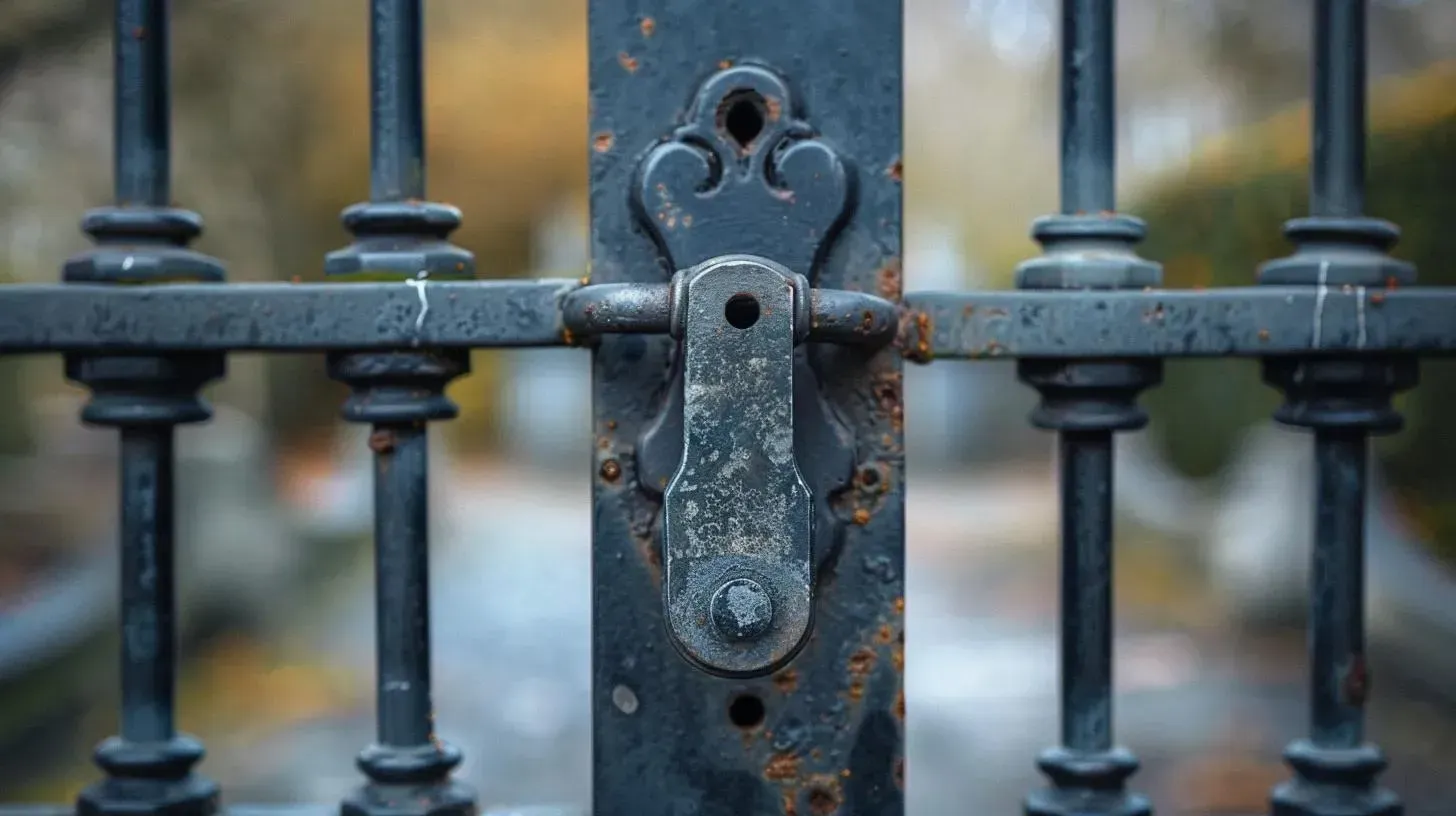
Your hinge bracket is galvanized and cracked. Welding may still be the best structural fix, but you want the work done with bystanders kept away (including neighbors on the other side of the fence line) and with a clear plan for fume direction so fumes don’t drift into a patio area.
Scenario 2: Trailer bracket repair that “could be bolts instead”
A small galvanized bracket on a utility trailer cracks. If the bracket’s load is modest, a mechanical fix might be acceptable and avoids welding fumes entirely. If the bracket carries repeated vibration loads, welding may still be the most durable answer—but only with controlled exposure and a plan to prevent rust around the weld afterward.
FAQ: galvanized welding questions homeowners ask
Is it true that drinking milk prevents metal fume fever?
Drinking milk does not prevent metal fume fever or protect against welding fumes; exposure control and ventilation are the recommended safeguards, see Cancer Council Australia – Does Drinking Milk Protect You From Toxic Welding Fumes?
What does metal fume fever feel like?
It often feels like the flu: fever, chills, fatigue, headache, nausea, and sometimes cough or chest discomfort. If symptoms occur after welding fume exposure, seek medical care and note the exposure history, see CDC NIOSH Pocket Guide – Zinc Oxide.
Should I avoid galvanized welding completely?
Not always. The decision should be based on whether the job can be done with controlled exposure and whether a lower-risk alternative achieves the same outcome. If you can’t confidently control fumes or the work is enclosed, it’s reasonable to choose a different approach.
Next step
To route your request to the right service and see what MS FixIt handles across welding and repair work, start here: “MS FixIt – Services”.