
Rust Near a Weld: Is It Cosmetic or Structural? How to Tell

Spencer Gordon • February 10, 2026

Share this article

Rust Near a Weld

Rust near a weld can be purely surface-level, or it can be a warning that metal thickness (strength) is being lost where the joint carries load. This guide helps you spot the difference using visible clues on common items like trailers, gates, railings, and brackets. It focuses on identification and safety signals—not DIY repair steps.

If you’re deciding which MS FixIt service path fits your project, start with the services overview.


Is rust near a weld always a structural problem?

No. Rust near a weld is often cosmetic when it’s just light surface oxidation on intact metal and the joint remains stable. It becomes a structural concern when corrosion is paired with section loss (thinning/flaking metal), cracking, or movement in a load-bearing area.

A good way to think about it: surface rust changes appearance; structural rust changes shape and strength.


What clues suggest the rust is “surface only” (cosmetic)?

Cosmetic rust typically looks like a thin, even film or light orange/brown staining with solid metal underneath. If you scrape or wire-brush a small area and the metal beneath is firm (not crumbly or flaking), that usually points to surface oxidation.

Cosmetic-leaning signs:

  • Light staining with intact edges
  • Paint bubbles but no deep pitting or scale
  • No deformation around the weld
  • No new noises, looseness, or shifting at the joint


What clues suggest the rust is “structural” (section loss or cracking risk)?

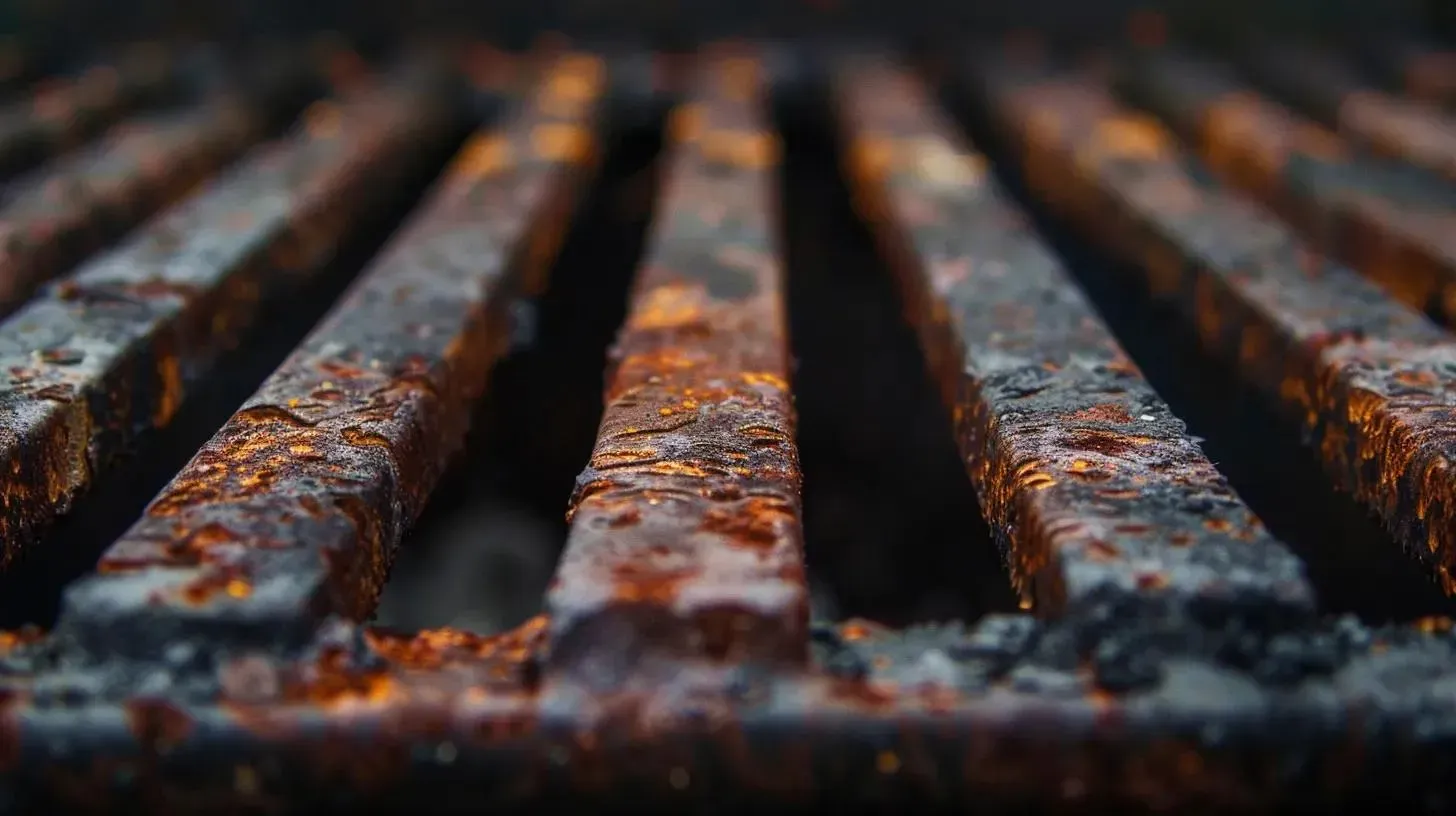
Structural-leaning rust usually shows scale, flaking, holes, deep pitting, or swelling at seams, especially where water can sit. If the metal looks layered, crumbly, or “expanded,” you may be losing thickness where strength matters.

Commercial inspection checklists identify corrosion and cracking in frames and crossmembers as defects due to their potential contribution to collapse risk, see FMCSA Get-to-the-Point Brochure.


Can rust streaks from a weld be a sign of a defect—even if the metal feels solid?

Sometimes, yes. Rust streaks (“rust bleeding”) can come from tiny openings in or near a weld where moisture gets trapped, then weeps out over time. That doesn’t automatically mean the joint is failing, but it can indicate a pathway for water and corrosion to persist.

Rust bleeding may occur when pinholes or imperfections allow moisture or solutions to become trapped and later seep out, see American Galvanizers Association – Rust Bleeding on Welded Parts.


How do you check whether the weld area is still structurally sound?

Start with a stability check and a metal-condition check. If the joint is stable and the surrounding metal is firm, the risk is usually lower; if there’s movement, deformation, or crumbling metal, treat it as higher risk.

Weld inspection guidance emphasizes visual inspection as the first step for identifying surface conditions and discontinuities, with more advanced inspection methods used when required. See BCSA Guide 54/12 – Inspection of Welds from the British Constructional Steelwork Association.


Quick triage checklist (60 seconds)

  • Is the rust just a thin film, or is there flaking/scale?
  • Do you see any holes or sharp-edged pits?
  • Is there bubbling paint concentrated right at the weld toe/edge?
  • When you push/pull the part, does the joint move?
  • Do you see crack lines that run out from the weld edge?
  • Is this area part of a critical load path (tongue/coupler, hanger bracket, gate hinge plate, railing base)?

If you want an on-site assessment for repairable items, MS FixIt’s mobile welding page outlines typical in-place work.


What’s the best way to classify rust near a weld (cosmetic vs structural risk)?

Use a simple classification: appearance-only vs strength-changing. The table below helps you map what you see to the safer interpretation.


What you see near the weld What it often means Cosmetic-leaning outcome Structural-risk outcome
Light orange/brown film, metal feels firm Surface oxidation Clean/coat planning is usually sufficient Risk rises only if it spreads fast or hides defects
Paint bubbles with mild pitting Coating failure + early corrosion Often manageable if metal is intact Becomes risky if pits deepen or spread along seams
Flaking scale, layered rust, or swelling at seam Thickness loss is likely Uncommon Often indicates section loss that needs evaluation
Rust streaks “weeping” from a seam/weld Moisture trap or tiny opening Could be cosmetic staining Could signal a trapped-corrosion pathway/pinhole
Rust plus any crack line or movement Corrosion + fatigue/defect interaction Very unlikely Treat as high priority; don’t ignore
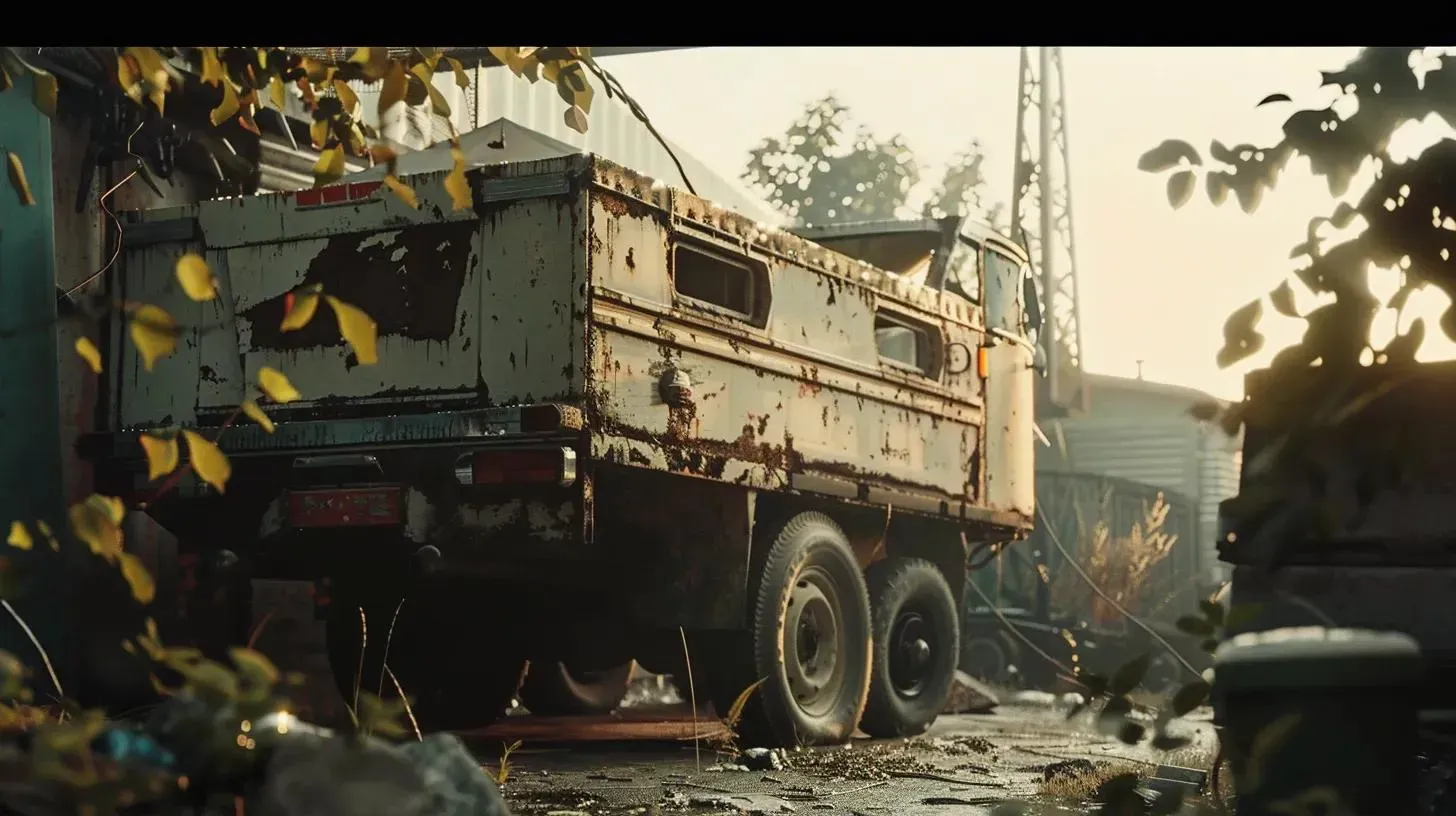
Rusty, abandoned truck in a decaying outdoor setting, overgrown with foliage.

What red flags mean you should treat it as a safety issue?

If rust is in a critical location and paired with movement, cracking, or deformation, treat it as more than cosmetic. Commercial standards prohibit frames that are cracked, loose, sagging, or broken, highlighting the importance of frame integrity for safe operation, see FMCSA Safety Planner – Frame and Frame Assembly.

Red flags:

  • The crack is near tongue/coupler, safety chains, or suspension mounts
  • You can see the joint shift when the trailer/gate is rocked
  • Metal is crumbly when scraped (not just dusty)
  • There are multiple rusted seams in the same high-stress zone

 If you want help determining whether rust is cosmetic or a structural risk, send one wide photo and two close-ups (from different angles) through MS FixIt – Contact”.


What mistakes cause people to underestimate rust near welds?

The most common mistake is judging by color alone. Rust color tells you moisture is present; it doesn’t tell you how much thickness is gone.

Misreads to avoid:

  • Assuming “it’s just surface rust” even when there’s scale or flaking
  • Focusing on the weld bead and ignoring the adjacent base metal
  • Painting over rust streaks without checking for pinhole pathways
  • Ignoring small crack lines because the item “still works”


Two real-world examples to calibrate your judgment

Example 1: Utility trailer crossmember with light rust staining (cosmetic-leaning)
You see a light orange film around a weld, but the metal feels firm, there’s no flaking scale, and nothing shifts when you push on the crossmember. That typically points to surface oxidation and coating maintenance needs rather than immediate structural loss.

Example 2: Gate hinge plate with swelling rust and a hairline crack (structural-risk)
A hinge plate has bubbled paint and layered rust right at the weld toe, and you can trace a thin crack line from the weld edge. That combination suggests the joint is in a higher-risk state, because corrosion and cracking can reinforce each other over time.


Rust-near-weld questions homeowners ask

  • Can a weld look fine while rust nearby is doing the real damage?

    Yes. Corrosion often reduces strength in the base metal next to the weld, not just in the bead itself. That’s why checking the surrounding metal condition matters as much as the weld appearance.


  • Does rust mean the weld is defective?

    Not always. Rust can be driven by coatings, moisture traps, and exposure. But rust bleeding from a seam can point to small openings or trapped moisture pathways that are worth evaluating.


  • If I’m not sure, what’s the safest default?

    Treat unknown cases conservatively: if the area carries load and you see any movement, cracking, or section loss, pause use until the condition is assessed.


Next step

For an overview of available services and to ensure your project is directed appropriately, refer to MS FixIt – Services”.


Recent Posts

Questions to Ask Before Hiring a Mobile Welder (Homeowner Vetting Guide)
By Spencer Gordon February 10, 2026
Use this homeowner checklist to vet a mobile welder: safety planning, weld quality signals, insurance, and the questions that prevent repeat failures. Includes a decision table and FAQs.
Mobile Welding On-Site vs Shop: What Can Be Fixed Where?
By Spencer Gordon February 10, 2026
Learn what mobile welders can usually fix on-site, when a shop setup is smarter, and how to decide using a comparison table, checklist, examples, and red flags.
When to Stop Using a Trailer Because of Weld Damage (Safety Guide)
By Spencer Gordon February 10, 2026
Not sure if it’s safe to tow with a cracked weld? Use this safety decision guide with a stop-use checklist, decision table, red flags, and real examples.
Mobile Welding Cost: What Affects the Price? (Factors + Checklist)
By Spencer Gordon February 10, 2026
Mobile welding quotes vary based on travel/setup, prep and fit-up, metal type/thickness, access, and finish level. Use the comparison table, checklist, and examples to avoid surprises.
Signs of a Strong Weld Repair: How to Tell If a Weld Is Good
By Spencer Gordon February 10, 2026
Learn what a quality weld repair looks like, the red flags to watch for (cracks, undercut, porosity), what questions to ask, and a quick decision table for gates, trailers, and brackets.
Steel vs Aluminum Welding Repairs: What Changes (Decision Guide)
By Spencer Gordon February 10, 2026
Steel and aluminum can both be welded—but repairs behave differently. Use this side-by-side guide with a decision table, homeowner checklist, examples, and red flags.
Can You Weld Galvanized Steel? Risks, Symptoms, and Safer Options
By Spencer Gordon February 10, 2026
Yes, you can weld galvanized metal—but zinc fumes can be hazardous. Learn the risks, red flags, safer alternatives, and what to ask before approving the job.
Why Welds Crack on Trailers and Gates (Causes + Prevention)
By Spencer Gordon February 10, 2026
Learn why welds crack on trailers and gates—fatigue, stress concentration, misalignment, and corrosion—and use a prevention checklist and cause table to reduce repeat failures.
Repair vs Replace a Cracked Trailer Weld: How to Decide
By Spencer Gordon February 10, 2026
Not sure whether to repair or replace a cracked trailer weld? Use this decision guide with a side-by-side comparison table, checklist, examples, and red flags.
Is Mobile Welding Safe at Home? Prep Checklist for Homeowners
By Spencer Gordon February 10, 2026
Mobile welding can be safe at a home when the work zone is prepared. Use this homeowner checklist to reduce fire and fume risk, protect surfaces, and keep kids/pets safe.
Show More