
What Makes a “Strong” Weld Repair? Signs of Quality Homeowners Can Check

Spencer Gordon • February 10, 2026

Share this article

What Makes a “Strong” Weld Repair

A weld repair can look neat and still be weak, and it can look slightly rough yet be perfectly serviceable. The goal of this guide is to help you judge repair quality using visible clues and a few smart questions—especially for common items like gates, trailers, railings, and brackets. If a weld is part of a critical, load-bearing system, treat this as a screening tool, not a substitute for formal inspection.

If you’re figuring out which service path fits your project (welding vs other repairs/installs), start with the services overview.


What should a quality weld repair look like at a glance?

A quality weld repair usually looks consistent and intentional: the bead size is even, the weld ties smoothly into the base metal, and there are no obvious surface discontinuities like cracks or clusters of pinholes. The best “at-a-glance” sign is simple: it looks like one continuous joint, not a patch sitting on top.

Visual inspection is widely used as a first-line check because many common surface defects can be identified quickly without specialized equipment. See Visual Inspection of Welded Connections from ESAB.


Which surface signs usually indicate a problem?

The biggest visible warning signs are cracks, porosity (pinholes), undercut (a groove at the weld edge), overlap/cold lap (weld metal rolled over without bonding), and obvious underfill/undersize. These clues don’t always prove a weld will fail tomorrow, but they do raise the odds that the repair isn’t fully bonded or isn’t sized appropriately.

Common discontinuities that visual inspection often detects include undercut, overlap, surface cracking, surface porosity, underfill, and penetration-related issues. See Visual Inspection of Welded Connections from ESAB.


Quick “zoom-in” check

  • Cracks: even hairline cracks are a hard stop for acceptance.
  • Pinholes/porosity clusters: a few isolated pits can be cosmetic; clusters suggest inconsistent shielding/contamination and deserve questions.
  • Undercut at the weld edge: looks like a narrow groove running alongside the weld; it can concentrate stress.
  • Overlap/cold lap: looks like weld metal piled onto the surface with a visible edge, rather than blending in.


How can you tell if the weld is actually bonded to the base metal?

You’re looking for clean “tie-in” at both edges of the weld. A good repair typically has a smooth transition from weld metal to base metal, without a distinct shelf or lip that looks like it could peel away.

Two practical homeowner clues:

  • Toe transition: the edge of the bead should blend into the base metal (no obvious unbonded edge).
  • Continuity around the joint: for brackets/hinges, the weld should look continuous where the load is carried, not intermittent in the most stressed area.

If you’re dealing with an on-site repair (gate hinge, trailer bracket, railing base), mobile welding is the typical service route.


Does weld size matter more than a pretty bead?

Yes—size and placement matter as much as appearance. Even a smooth-looking bead can be undersized for the job, while a slightly imperfect-looking bead may still be adequately sized and bonded.

What you can check without a spec sheet:

  • The weld seems proportionate to the thickness of the parts being joined.
  • The weld runs across the load path (the direction the force travels), not just in an easy-to-reach spot.
  • The repair doesn’t rely on a tiny tack where the original joint clearly needed a longer weld.


Green flags vs red flags: a quick decision table

Use this to decide whether you can accept the repair as-is or whether you should ask for clarification before the item goes back into full use.


What you see What it usually suggests Acceptable green flag version Red flag version (ask questions)
Bead consistency Control and stable technique Even width/height along the joint Sudden skinny/thick sections, starts/stops that look cratered
Edge tie-in (toe) Whether it’s bonded to the base metal Smooth transition into base metal A visible lip/shelf that looks unbonded or peelable
Surface discontinuities Potential weak points Clean surface or minor cosmetic spatter Cracks, pinhole clusters, undercut groove, overlap/cold lap
Coverage of load path Whether the repair matches the stress area Weld placed where the force actually acts Weld placed only where it was easiest to reach
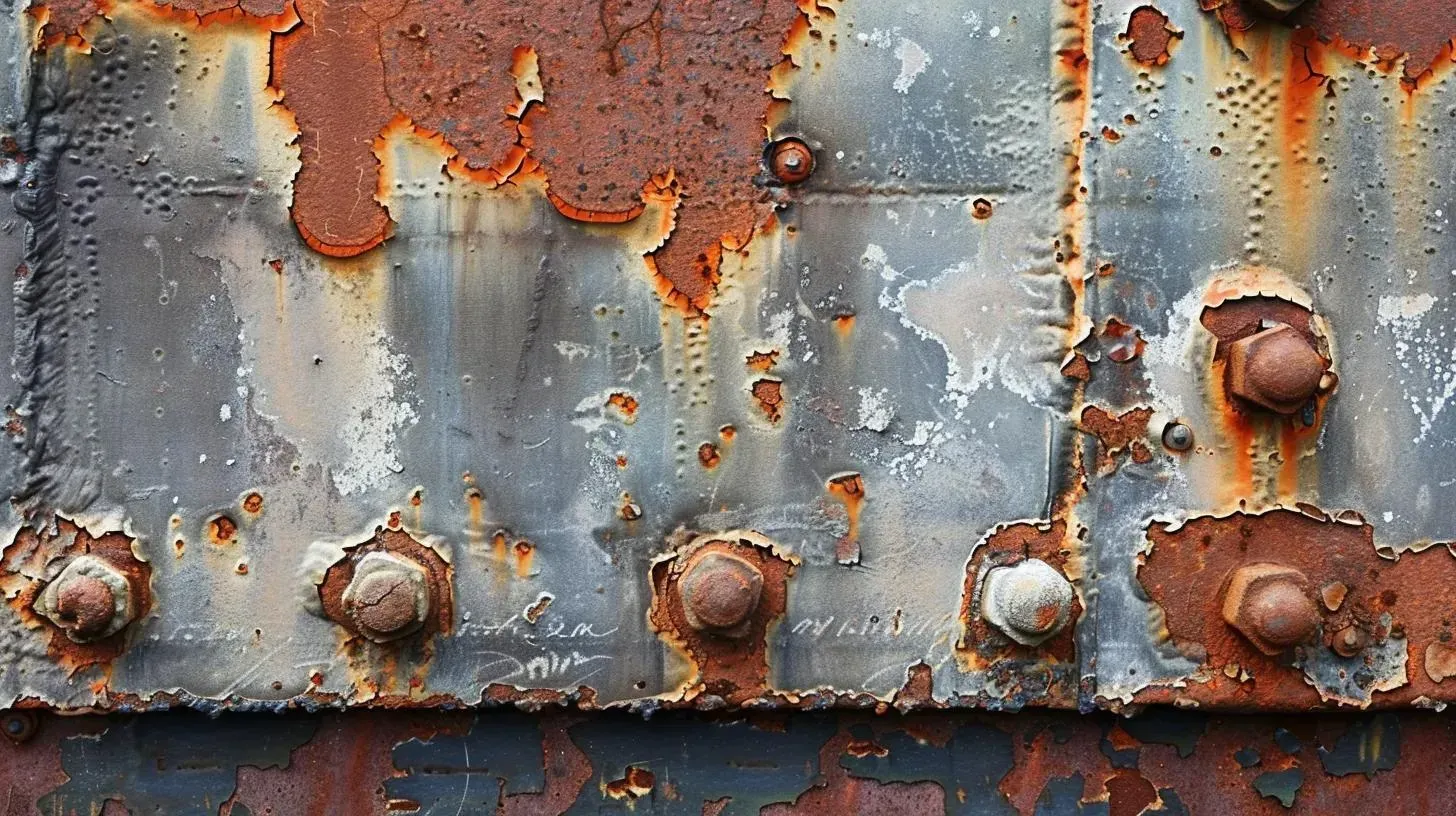
Surrounding metal condition Whether the base can hold the repair Sound metal around the joint Thin/pitted metal, multiple nearby crack lines, old patch layers

What should you ask before you accept a weld repair?

Ask questions that confirm the repair addressed both the visible defect and the conditions that created it. You’re not asking for trade secrets—you’re asking for confidence.

Acceptance checklist (homeowner-friendly)

  • Did you find any additional cracks in the surrounding metal?
  • Is the repair intended to restore the original joint, or was the joint reinforced?
  • Is the weld meant to be purely cosmetic, or load-carrying?
  • If the original failed due to movement (gate sag, trailer flex), what changed so it won’t repeat?
  • Was any contaminated/damaged material removed so the weld is on sound metal?

If you want a second set of eyes on a repair—or you’re unsure what you’re seeing—you can send a wide photo and a close-up for feedback through MS FixIt – Contact”.

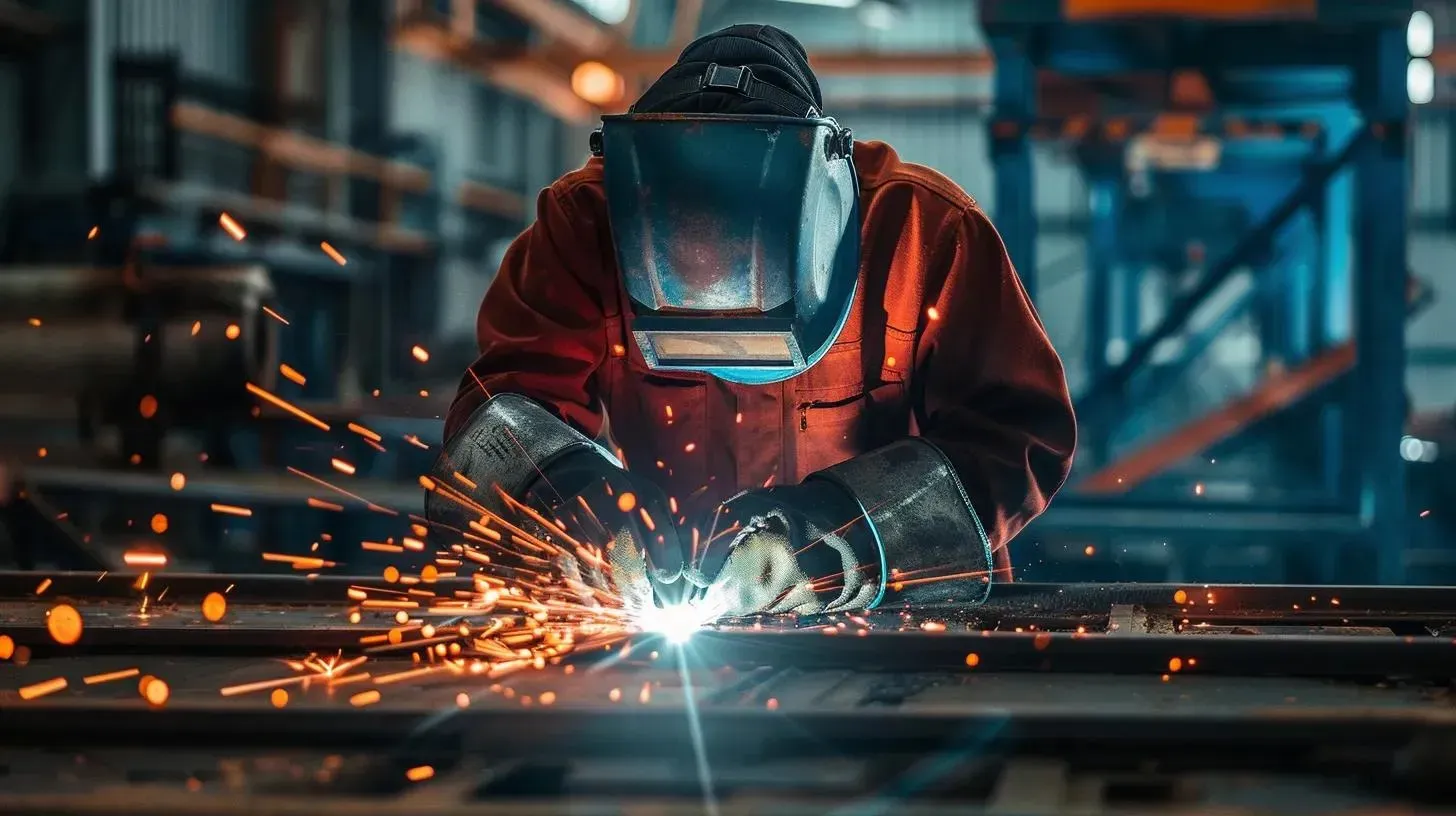
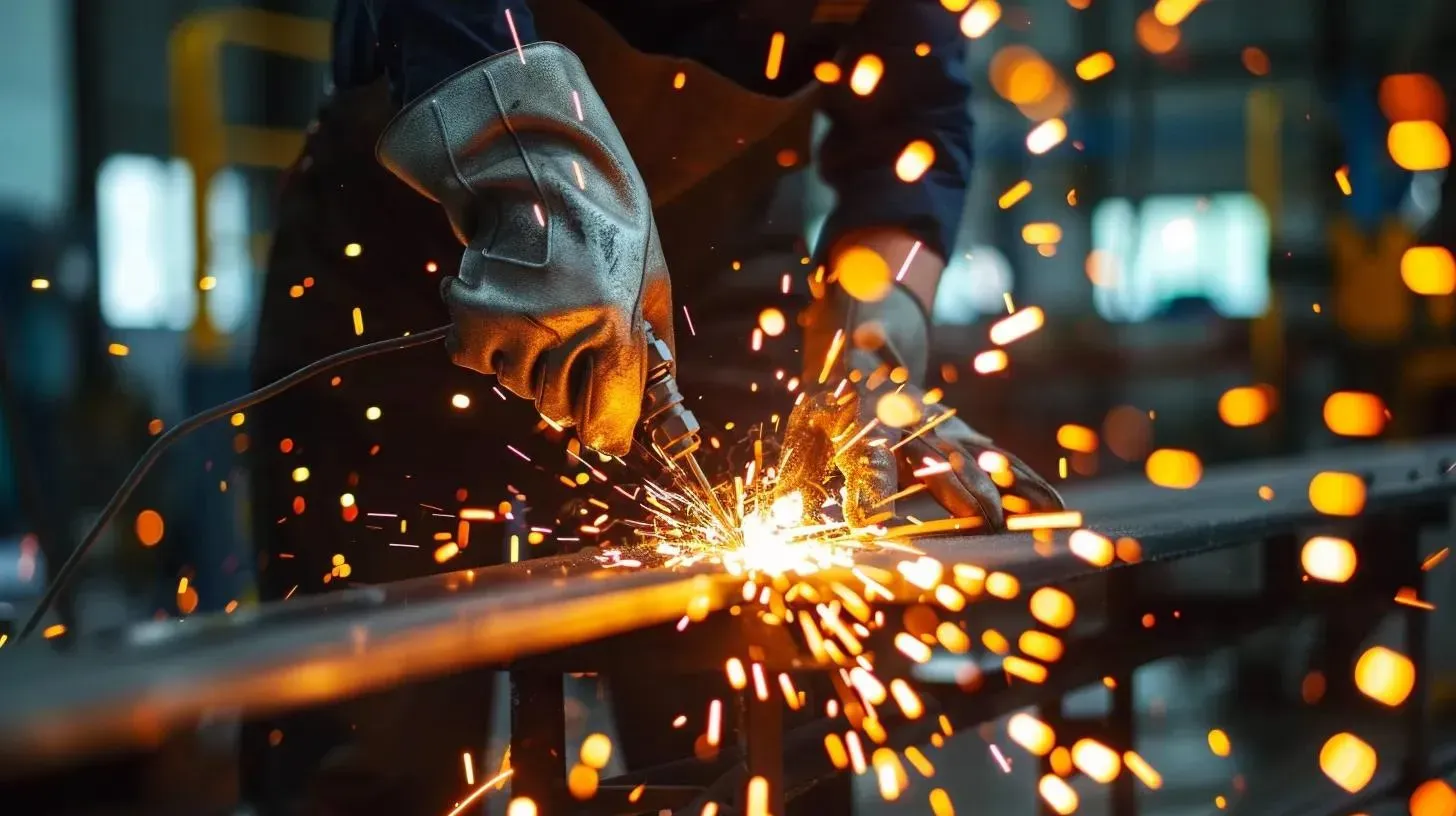
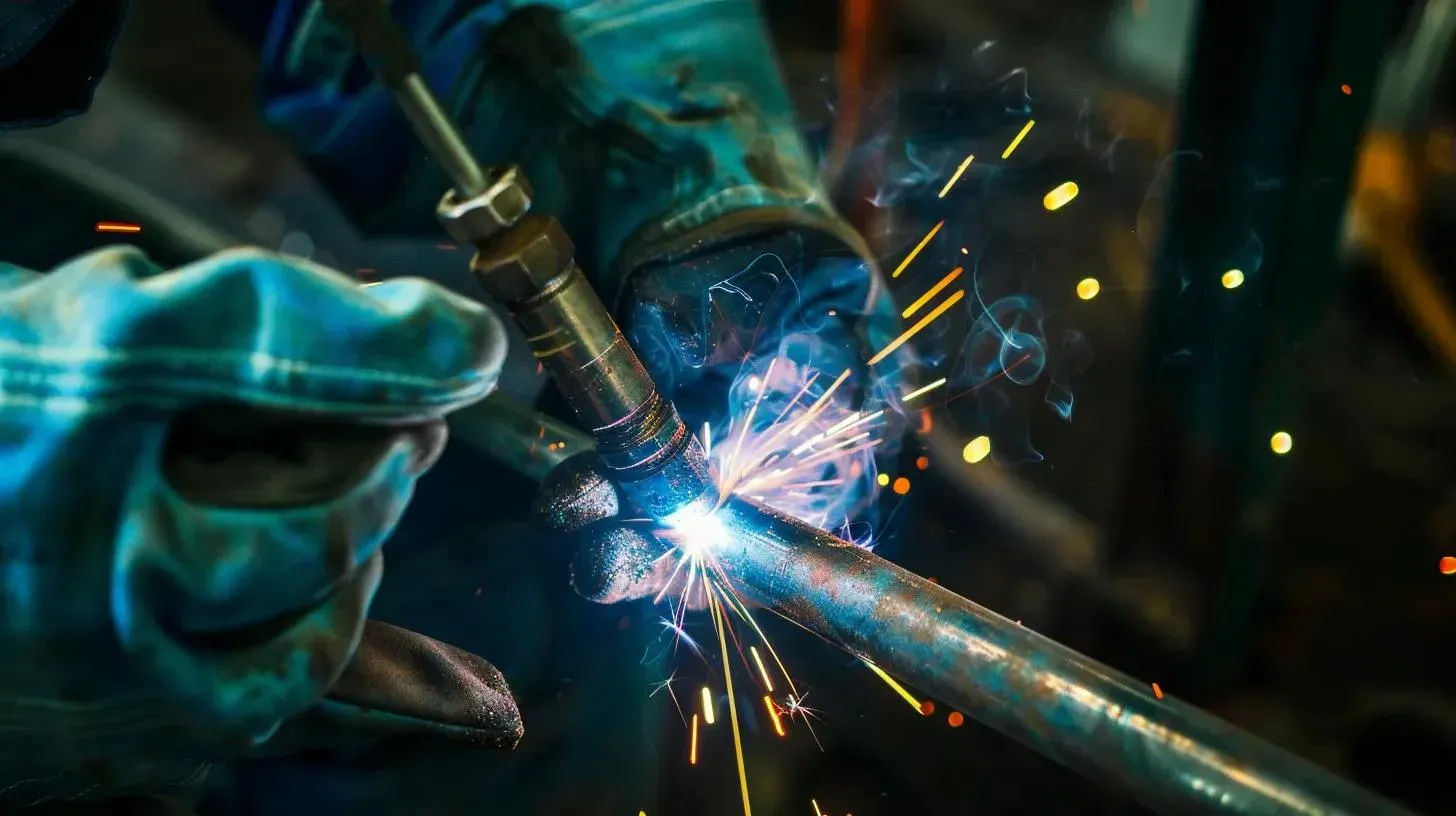
Welder in gloves using a torch, with sparks and bright blue light.

Common mistakes / red flags that make “repairs” fail again

The most common failure pattern is a repair that fixes the crack but ignores the reason the crack formed.

  • Only fixing the visible crack while nearby metal has additional crack lines.
  • Accepting a pretty bead even though it doesn’t tie in cleanly at the edges.
  • Ignoring movement/alignment issues (for example, a gate that still binds or a bracket that still flexes).
  • Welding onto compromised base metal (thin, heavily pitted, or layered with prior patches).
  • Short, intermittent welds in the highest-stress part of the joint because access was easier elsewhere.


Two realistic examples (what “quality” looks like)

Example 1: Gate hinge bracket repair (quality check is about tie-in + load path)
A hinge bracket cracked at one weld. A quality repair looks continuous where the hinge carries the load, blends cleanly into the bracket and post plate, and doesn’t show a sharp groove alongside the bead. If the gate still binds or has to be forced shut, that’s a red flag that the underlying stress pattern didn’t change.

Example 2: Trailer ramp hinge crack (quality check is about scope + surrounding metal)
A ramp hinge weld cracked from repeated bouncing. A strong repair usually includes a clean repair zone on sound metal and weld coverage that matches where the hinge actually loads the frame. If you can see additional hairline cracks nearby, or if the repair sits on visibly thinned metal, it’s worth asking whether the surrounding area was inspected.


Frequently Asked Questions

  • Can a weld look rough and still be strong?

    Yes. Appearance alone isn’t the final judge. A slightly rough finish can still be well-bonded and properly sized, while a smooth-looking bead can be undersized or poorly fused.


  • What’s the biggest visual “hard stop” defect?

    Cracks. Even small surface cracks are a serious sign that the joint is not sound and should be addressed before putting the part back into service.


  • Why is checking the surrounding metal so important?

    Because cracks often aren’t isolated. Repair guidance stresses diagnosing the root cause of a failure and inspecting adjacent material for additional cracking or deformation, so repairs don’t simply weld over a symptom and leave the underlying issue unresolved. See “Welding Repairs: Getting It Right the First Time” from American Welding Society.

Next step

For an overview of MS FixIt’s welding repair services and to ensure your request is directed appropriately, refer to MS FixIt – Services”.


Recent Posts

Questions to Ask Before Hiring a Mobile Welder (Homeowner Vetting Guide)
By Spencer Gordon February 10, 2026
Use this homeowner checklist to vet a mobile welder: safety planning, weld quality signals, insurance, and the questions that prevent repeat failures. Includes a decision table and FAQs.
Rust Near a Weld: Cosmetic or Structural? How to Tell
By Spencer Gordon February 10, 2026
Rust near a weld isn’t always structural—but sometimes it is. Use this diagnostic guide with a comparison table, triage checklist, examples, and red flags to judge risk.
Mobile Welding On-Site vs Shop: What Can Be Fixed Where?
By Spencer Gordon February 10, 2026
Learn what mobile welders can usually fix on-site, when a shop setup is smarter, and how to decide using a comparison table, checklist, examples, and red flags.
When to Stop Using a Trailer Because of Weld Damage (Safety Guide)
By Spencer Gordon February 10, 2026
Not sure if it’s safe to tow with a cracked weld? Use this safety decision guide with a stop-use checklist, decision table, red flags, and real examples.
Mobile Welding Cost: What Affects the Price? (Factors + Checklist)
By Spencer Gordon February 10, 2026
Mobile welding quotes vary based on travel/setup, prep and fit-up, metal type/thickness, access, and finish level. Use the comparison table, checklist, and examples to avoid surprises.
Steel vs Aluminum Welding Repairs: What Changes (Decision Guide)
By Spencer Gordon February 10, 2026
Steel and aluminum can both be welded—but repairs behave differently. Use this side-by-side guide with a decision table, homeowner checklist, examples, and red flags.
Can You Weld Galvanized Steel? Risks, Symptoms, and Safer Options
By Spencer Gordon February 10, 2026
Yes, you can weld galvanized metal—but zinc fumes can be hazardous. Learn the risks, red flags, safer alternatives, and what to ask before approving the job.
Why Welds Crack on Trailers and Gates (Causes + Prevention)
By Spencer Gordon February 10, 2026
Learn why welds crack on trailers and gates—fatigue, stress concentration, misalignment, and corrosion—and use a prevention checklist and cause table to reduce repeat failures.
Repair vs Replace a Cracked Trailer Weld: How to Decide
By Spencer Gordon February 10, 2026
Not sure whether to repair or replace a cracked trailer weld? Use this decision guide with a side-by-side comparison table, checklist, examples, and red flags.
Is Mobile Welding Safe at Home? Prep Checklist for Homeowners
By Spencer Gordon February 10, 2026
Mobile welding can be safe at a home when the work zone is prepared. Use this homeowner checklist to reduce fire and fume risk, protect surfaces, and keep kids/pets safe.
Show More