
How to Vet a Mobile Welder: The Questions Homeowners Should Ask

Spencer Gordon • February 10, 2026

Share this article

How to Vet a Mobile Welder: The Questions Homeowners Should Ask

Hiring a mobile welder is partly about workmanship—and partly about safety, accountability, and fit for your specific job. This guide gives you a homeowner-friendly set of questions to ask before anyone strikes an arc on your property, especially for trailers, gates, railings, and brackets.

If you want to see how MS FixIt routes welding work (and related repair services) start with the services overview.


What should you check before you let anyone weld on your property?

Start by confirming three things: they’re qualified for your material/job type, they have a clear safety plan, and they can explain what “done” means (structural restore vs reinforcement vs finish expectations). These checks prevent most “it looked fine until it failed” outcomes.


What are the most important questions to ask a mobile welder?

Ask questions that reveal how they manage risk and how they ensure the repair is actually bonded and appropriately sized. Visual inspection is a first-line quality check in welding because many surface discontinuities can be spotted quickly. https://esab.com/sa/mea_en/esab-university/blogs/visual-inspection-of-welded-connections/

Decision table: questions, good answers, and red flags


Question to ask What a solid answer sounds like Red flag answer Why it matters
Have you done this type of repair before (gate hinge / trailer bracket / railing base)? Mentions similar jobs and the typical failure mode Welding is welding with no examples Experience reduces guesswork on scope and load paths
How will you keep people, pets, and nearby items safe from sparks and arc light? Defines a controlled work zone and bystander control It’s quick, don’t worry Hot work is safe when it’s planned, not improvised
If combustibles are nearby, how do you handle fire watch? Describes monitoring and readiness when risk exists No plan for monitoring after welding OSHA details when a fire watch is required and why it matters for fire prevention during hot work, see OSHA 1910.252 – Welding, Cutting, and Brazing.
How do you check for cracks beyond what’s visible? Mentions inspecting adjacent metal and the whole joint area Only focuses on the visible crack line Many failures are patterns, not one isolated crack
What’s your plan for weld quality—what defects do you avoid? Explains defects like cracks, porosity, or undercut in plain terms Can’t explain what a bad weld looks like Quality and durability depend on fusion and defect control
What outcome are we agreeing to: functional, reinforced, or paint-ready? Clarifies finish expectations upfront Vague or changes mid-job Finish expectations affect time and scope
Do you carry insurance for on-site work? Answers clearly and can provide proof if asked Dodges the question Insurance is part of homeowner risk control
Any credentials or third-party certification? Explains training/experience; may mention AWS certification if relevant Claims credentials without clarity AWS offers welder certification programs, though certification is not required for every welding job, see AWS Professional Certification

What safety questions matter most for mobile welding at home?

The highest-impact safety questions are the ones that prevent fire and exposure: work zone control, fire readiness, and ventilation planning if anything is enclosed.

Ask:

  • “Where will the work zone be, and how do we keep people out of it?”
  • “What’s your plan if sparks reach debris or cracks in the driveway/yard?”
  • “If we’re near a garage or covered area, how will fumes be handled?”

OSHA welding resources stress planning and controls to manage fire risk and fume exposure, see OSHA Welding, Cutting, and Brazing Standards.


How do you gauge whether they’ll do a durable repair (not just a quick patch)?

Listen for whether they talk about why it failed and how they’ll reduce repeat stress—not just “I’ll weld it back.” Durable repairs typically require the joint to be stable, on sound metal, and sized for the real load.

A simple follow-up question that surfaces durability thinking is: “What would make this crack again, and what changes prevent that?”

If your repair is a fit for on-site work, MS FixIt’s mobile welding page shows typical in-place scope.


Checklist: your 10-minute “vet a mobile welder” screen

Use this checklist before you approve the job.

  • They’ve done your job type (trailer/gate/railing) and can describe similar work.
  • They define a safety zone (people/pets out; neighbors considered if close).
  • They can explain fire readiness (extinguisher access, monitoring if combustibles exist).
  • They inspect for additional cracking or compromised base metal.
  • They can describe common weld defects they avoid (cracks, porosity, undercut).
  • They clarify what finish you want (functional vs reinforced vs paint-ready).
  • They confirm material type if relevant (steel vs aluminum vs galvanized considerations).
  • They can provide insurance info if requested.
  • They communicate scope clearly (one spot vs multiple spots).
  • They’re willing to pause if conditions aren’t safe (clutter, fumes, bystanders).

 If you want MS FixIt to assess whether your job is a good candidate, you can share photos and key details through MS FixIt – Contact”.


Common mistakes / red flags homeowners should avoid

The most common hiring mistakes are choosing based on speed alone and skipping the risk questions.

  • Hiring someone who won’t explain safety controls (“it’s fine”)
  • Letting people watch the arc or stand close during hot work
  • Approving work without agreeing on what “finished” means
  • Ignoring repeat-crack patterns (multiple cracks nearby)
  • Accepting a repair on visibly thinned, flaky metal without discussing scope


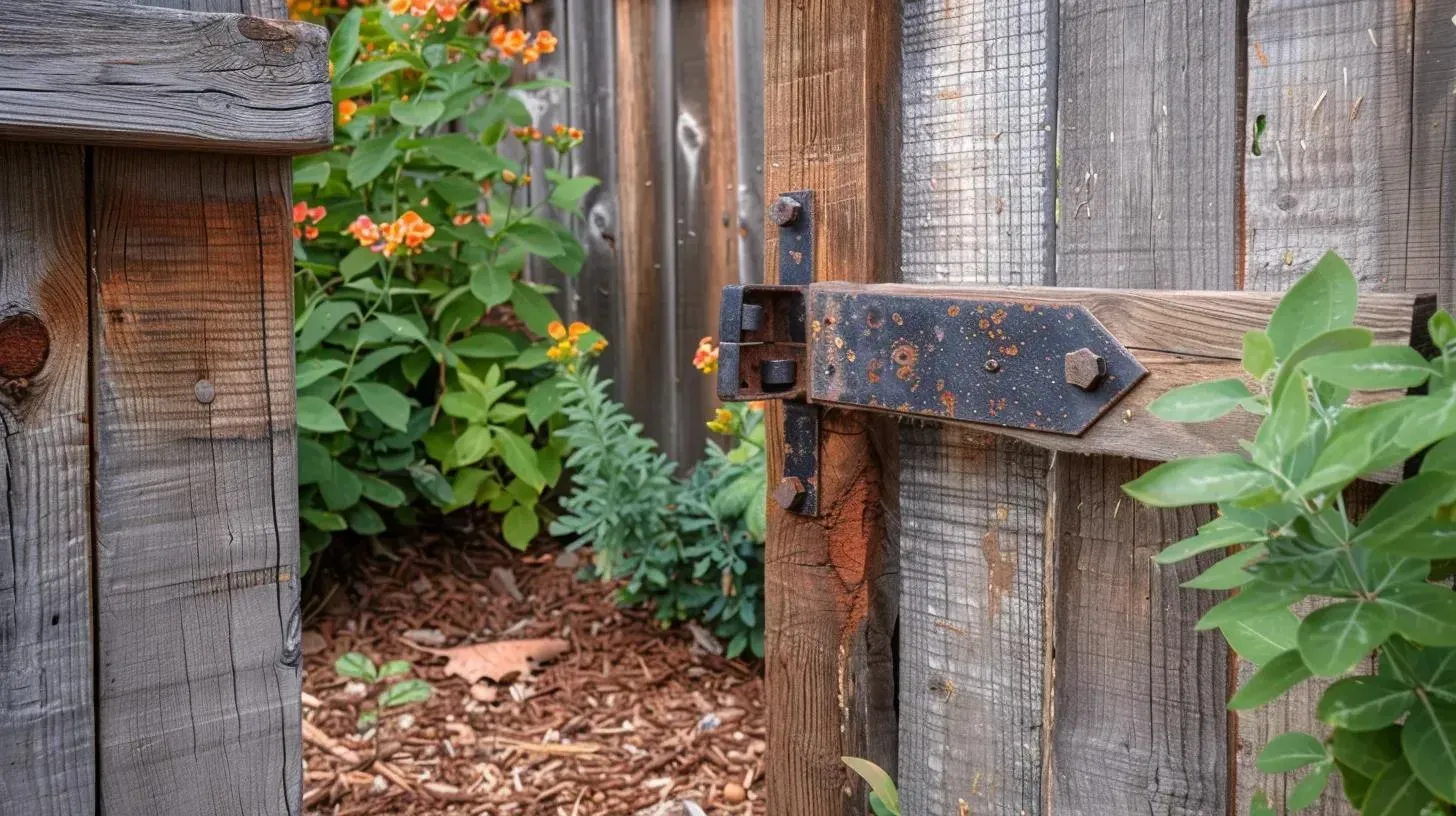
Gate hinge repair next to a wood fence and mulch

Two realistic examples (how these questions prevent headaches)

Example 1: Gate hinge repair next to a wood fence and mulch
A welder says it’ll be “two minutes” and doesn’t mention shielding or monitoring. That’s a red flag because sparks can land in dry debris. A better fit is someone who defines a work zone, clears combustibles, and plans monitoring when fire risk exists.

Example 2: Trailer bracket crack that’s “just one weld”
You’re told it’s a single crack, but you ask “Did you check nearby joints?” and the welder finds additional hairlines around the bracket. That changes the plan from a quick patch to a more durable scope discussion.


Frequently Asked Questions

  • Do I need an AWS-certified welder for homeowner repairs?

    Not always. Some jobs have specific requirements, while many property repairs are best decided by experience with the material and a clear safety plan. AWS certifications exist and can be a positive signal, but they aren’t the only marker of quality. 


  • What’s a reasonable safety expectation for mobile welding on-site?

    A controlled work zone, bystander control, fire readiness, and a plan for monitoring when combustibles are present are baseline expectations. OSHA guidance describes circumstances under which a fire watch is required during welding and cutting operations. Reference: OSHA 1910.252 – General Requirements

  • What should I do if the welder refuses to answer questions?

    Treat that as a decision signal. If someone won’t explain scope, safety controls, and what “done” means, it’s reasonable to pause and choose a provider who will.


Next step

For an overview of MS FixIt’s welding and repair services and to ensure your request is directed appropriately, refer to MS FixIt – Services”.


Recent Posts

Rust Near a Weld: Cosmetic or Structural? How to Tell
By Spencer Gordon February 10, 2026
Rust near a weld isn’t always structural—but sometimes it is. Use this diagnostic guide with a comparison table, triage checklist, examples, and red flags to judge risk.
Mobile Welding On-Site vs Shop: What Can Be Fixed Where?
By Spencer Gordon February 10, 2026
Learn what mobile welders can usually fix on-site, when a shop setup is smarter, and how to decide using a comparison table, checklist, examples, and red flags.
When to Stop Using a Trailer Because of Weld Damage (Safety Guide)
By Spencer Gordon February 10, 2026
Not sure if it’s safe to tow with a cracked weld? Use this safety decision guide with a stop-use checklist, decision table, red flags, and real examples.
Mobile Welding Cost: What Affects the Price? (Factors + Checklist)
By Spencer Gordon February 10, 2026
Mobile welding quotes vary based on travel/setup, prep and fit-up, metal type/thickness, access, and finish level. Use the comparison table, checklist, and examples to avoid surprises.
Signs of a Strong Weld Repair: How to Tell If a Weld Is Good
By Spencer Gordon February 10, 2026
Learn what a quality weld repair looks like, the red flags to watch for (cracks, undercut, porosity), what questions to ask, and a quick decision table for gates, trailers, and brackets.
Steel vs Aluminum Welding Repairs: What Changes (Decision Guide)
By Spencer Gordon February 10, 2026
Steel and aluminum can both be welded—but repairs behave differently. Use this side-by-side guide with a decision table, homeowner checklist, examples, and red flags.
Can You Weld Galvanized Steel? Risks, Symptoms, and Safer Options
By Spencer Gordon February 10, 2026
Yes, you can weld galvanized metal—but zinc fumes can be hazardous. Learn the risks, red flags, safer alternatives, and what to ask before approving the job.
Why Welds Crack on Trailers and Gates (Causes + Prevention)
By Spencer Gordon February 10, 2026
Learn why welds crack on trailers and gates—fatigue, stress concentration, misalignment, and corrosion—and use a prevention checklist and cause table to reduce repeat failures.
Repair vs Replace a Cracked Trailer Weld: How to Decide
By Spencer Gordon February 10, 2026
Not sure whether to repair or replace a cracked trailer weld? Use this decision guide with a side-by-side comparison table, checklist, examples, and red flags.
Is Mobile Welding Safe at Home? Prep Checklist for Homeowners
By Spencer Gordon February 10, 2026
Mobile welding can be safe at a home when the work zone is prepared. Use this homeowner checklist to reduce fire and fume risk, protect surfaces, and keep kids/pets safe.
Show More