
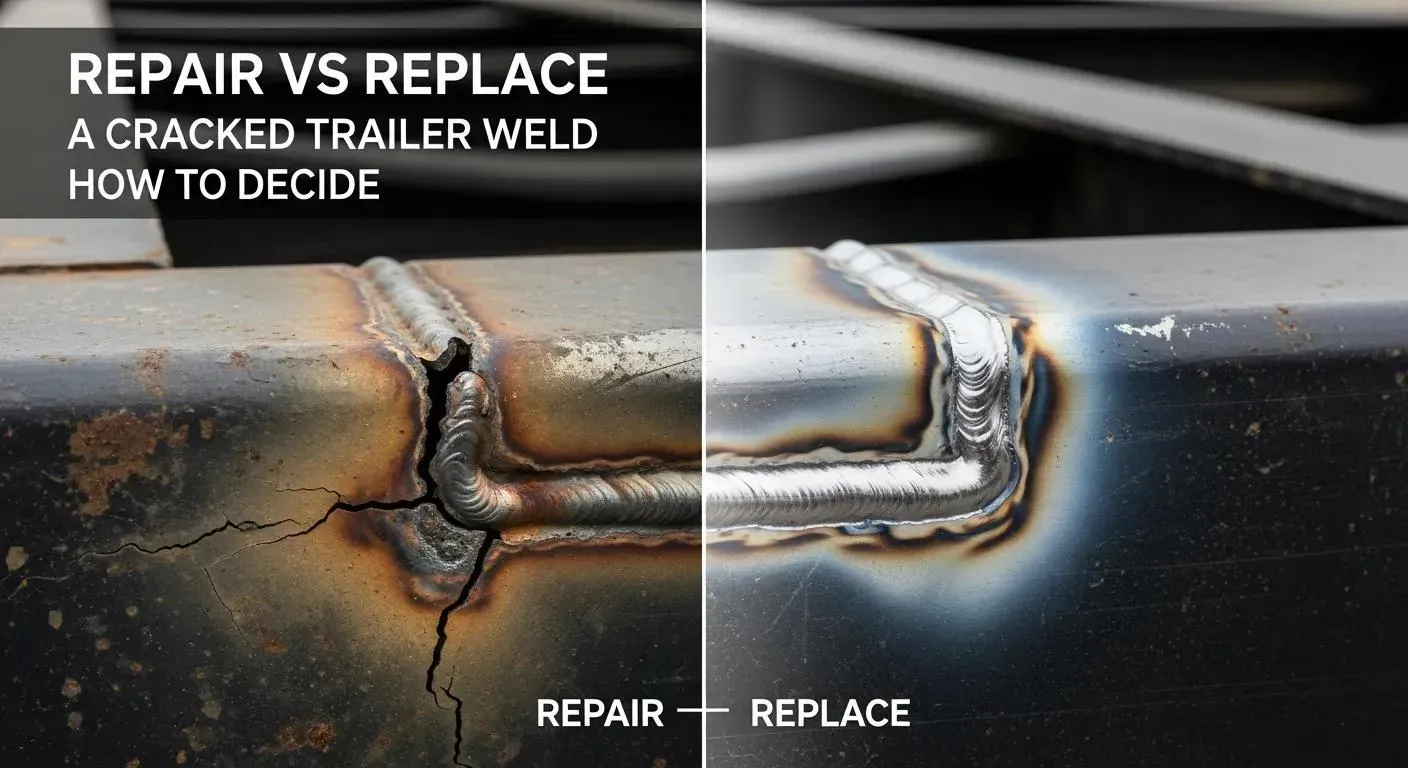
Repair vs Replace: A Cracked Trailer Weld — How to Decide

A cracked weld on a trailer doesn’t automatically mean you need a whole new trailer (or even a whole new frame section), but it also isn’t something you want to “guess” on. This guide helps you decide between repairing a localized weld issue and replacing a part or section when the damage is broader. It focuses on common utility and equipment trailers—not axle/brake/suspension servicing.
If you want to see the service options MS FixIt routes these jobs through, start with the services overview.
Should you repair or replace a cracked trailer weld?
In most cases, repair makes sense when the problem is localized and the surrounding metal still has good “structure to weld to.” Replacement becomes the better choice when damage is widespread, the metal is degraded beyond a clean repair area, or you’d be stacking fixes on top of fixes.
The key is to decide based on scope (how much metal is compromised) and repeat risk (how likely the same stress will crack it again).
When is a weld repair usually the better option?
Repair is usually the smarter move when you can restore strength without chasing the damage across multiple areas. Think: one hinge bracket, one crossmember joint, one cracked weld at a ramp hinge—a defined repair zone with solid surrounding material.
Typical “repair-friendly” situations include:
- One clear failure point (single crack/tear at a joint)
- The rest of the component looks stable (no chain of related failures)
- The issue is more about a joint failing than an entire member being compromised
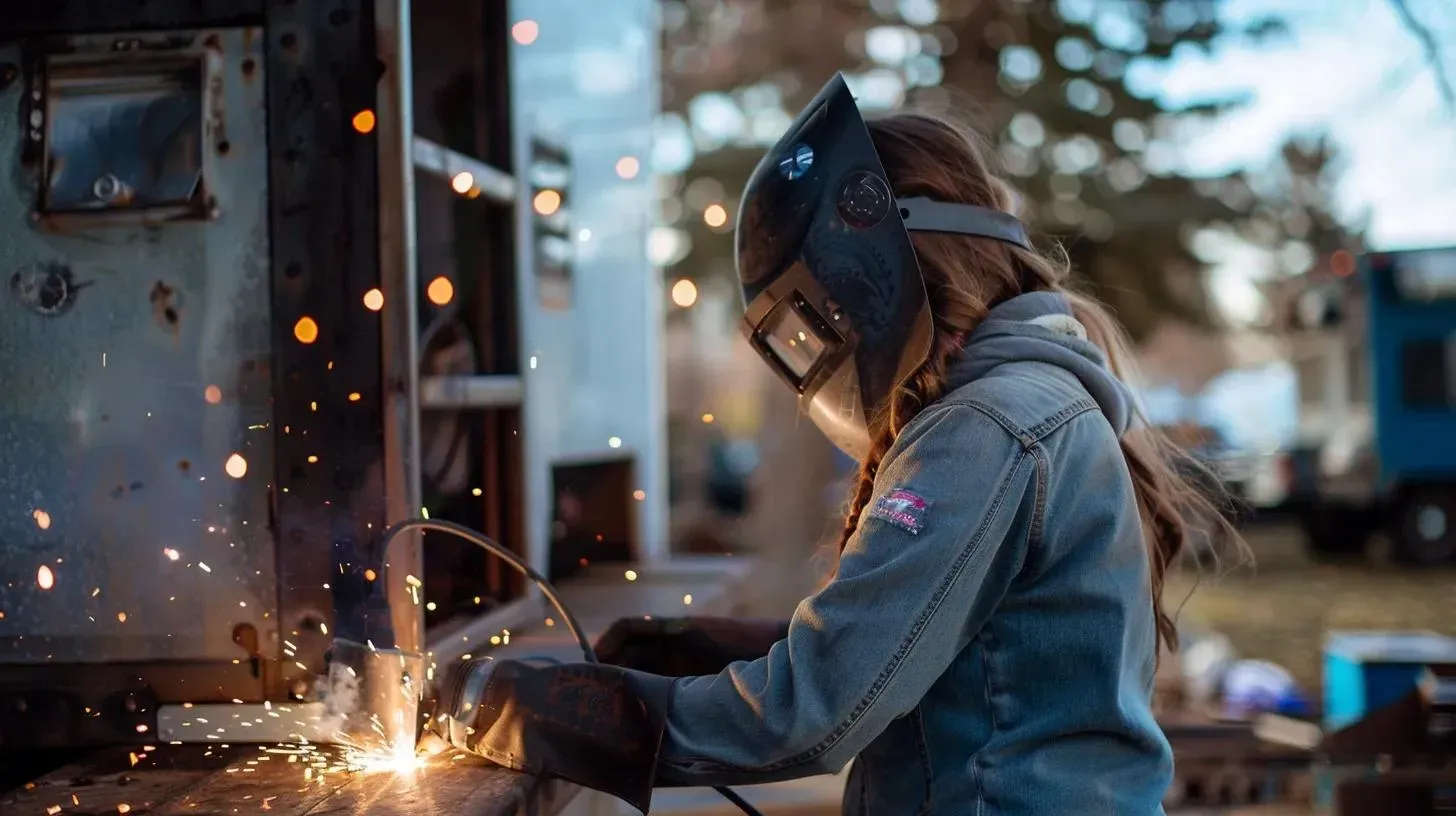
If your trailer issue looks localized and you want on-site help, mobile welding is often the right service path.
When does replacement usually make more sense?
Replacement tends to win when “repair” would really mean rebuilding a large portion of the structure or when the base metal won’t support a lasting repair. In other words: if you’re fixing the weld but the material around it is the real problem, repair becomes a short-term patch.
Replacement is commonly the better decision when:
- Multiple separated cracks show up in related high-stress areas
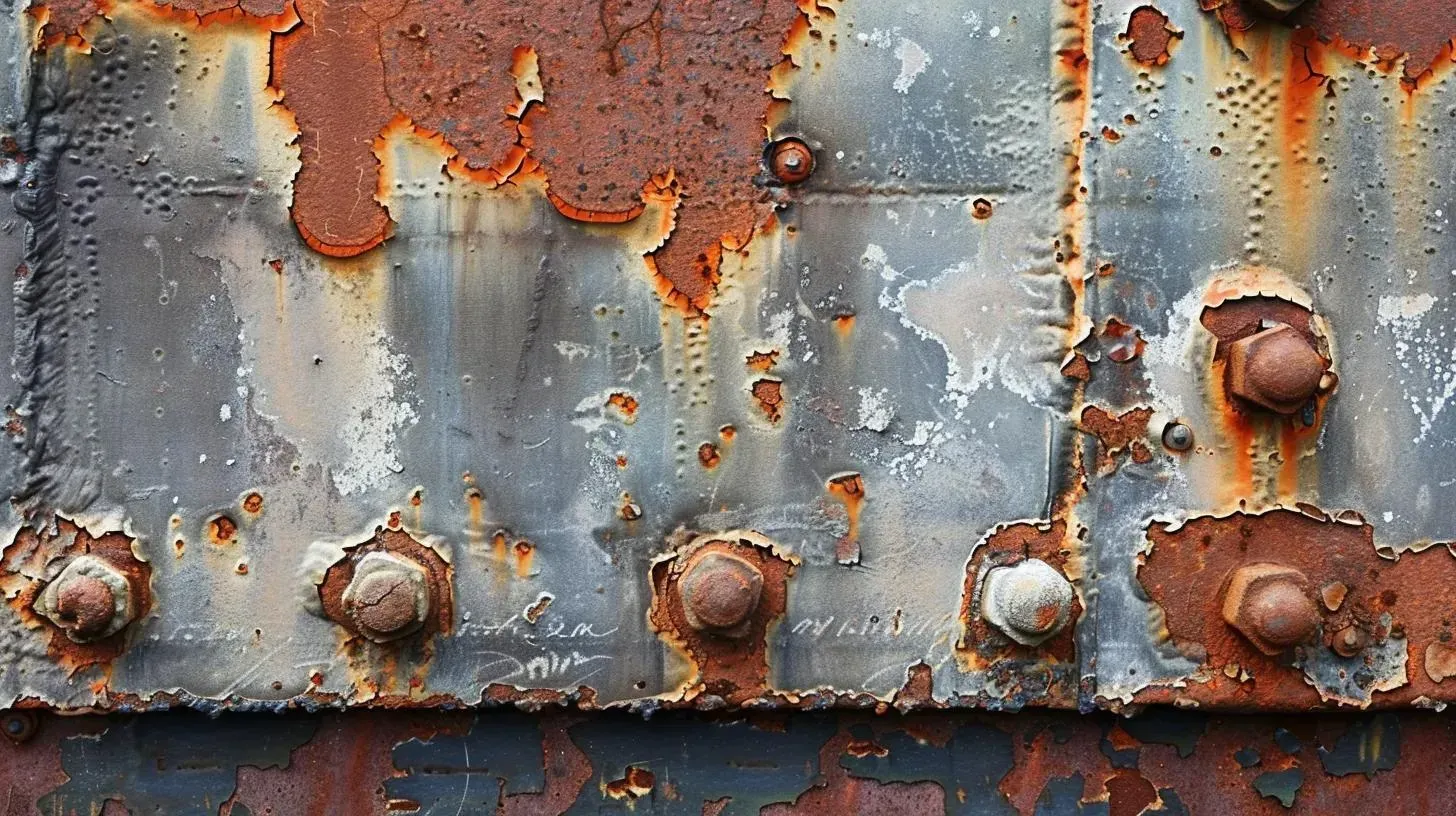
- Metal loss (deep corrosion/thinning) makes it hard to create a clean, strong repair zone
- Previous repairs have already been layered in the same area
- The part is bent/warped enough that fit-up and alignment become the dominant problem
For context, commercial inspection guidance treats cracked frames as a serious defect. While commercial rules differ from consumer use, this illustrates how heavily frame integrity is weighted in safety decisions. See “FMCSA Safety Planner – Frame and Frame Assembly Defects”
What trade-offs matter most in repair vs replace decisions?
Most people think the decision is only about “what’s cheaper,” but the better comparison is repair durability vs replacement certainty. A well-scoped repair can be the best value, while a mis-scoped repair can turn into repeat work.
Focus on these trade-offs:
- Scope certainty: Is it one fix, or will more cracks likely appear nearby?
- Downtime tolerance: Do you need the trailer back quickly, or is replacement lead time acceptable?
- Future load/use: Will the trailer keep doing the same heavy work that caused the failure?
- Repair history: First-time failure vs a pattern of repeats
If you want a fast “repair vs replace” recommendation, send a few clear photos of the whole trailer area and the failure point through Contact.

How does repair vs replace compare side-by-side?
| Decision factor | Repair is usually better when… | Replacement is usually better when… | What to clarify before deciding |
|---|---|---|---|
| Damage scope | One localized crack/failed weld | Multiple cracks or a chain of failures | How many separate spots show damage |
| Base metal condition | Surrounding metal is solid and cleanable | Metal is thinned, heavily pitted, or compromised | Whether there’s enough good material around the joint |
| Structural alignment | Parts still sit where they should | Bending/warping drives the problem | Whether fit-up/alignment will dominate the work |
| Repeat risk | Failure is tied to one joint or bracket | Failure is tied to ongoing stress across a section | Whether reinforcement/redesign is needed to prevent repeats |
| Repair history | First repair in that area | Multiple prior patches already exist | What’s been repaired before, and how it held up |
What questions should you answer before you choose?
If you can answer these, a welder can usually guide you quickly toward “repair” or “replace” without a long back-and-forth.
Repair vs replace checklist
- Where is the crack located (joint/bracket/crossmember/near hitch area)?
- Is it a single spot or multiple separated spots?
- Is the surrounding metal generally sound, or heavily degraded?
- Has the same area been repaired before?
- Has the trailer’s use changed (heavier loads, rougher terrain, more frequent use)?
- Is there an obvious source of repeat stress (impact points, hard stops, concentrated loads)?
Common mistakes / red flags that push people into the wrong choice
A lot of “bad outcomes” come from picking repair or replacement for the wrong reason.
- Treating a pattern as a single crack: fixing one weld while ignoring nearby stress points often leads to repeat failures.
- Stacking patch-on-patch: layering repairs in the same spot without addressing underlying stress can keep the trailer in a loop of repeat work.
- Choosing replacement when a localized repair would restore function: overcorrecting can waste time if the real damage is truly limited.
- Ignoring repair history: a first-time failure and a third-time failure are not the same decision.
Two quick examples of what this decision looks like in real life
Example 1: Ramp hinge crack on a utility trailer (repair-leaning)
A single hinge bracket weld cracks, but the rest of the ramp structure is stable and the surrounding metal is solid. The decision often leans toward a targeted repair (and, if needed, reinforcement to reduce repeat stress) instead of replacing the entire ramp.
Example 2: Multiple cracks near suspension mounts (replacement-leaning)
Cracks appear in more than one location and the metal around the area shows signs of being compromised. That pattern often pushes the decision toward replacing a member/section rather than “chasing” cracks with repeated repairs.
Frequently Asked Questions

Can a cracked trailer weld be repaired, or does it always require replacement?
Many cracked welds can be repaired when the damage is localized and the surrounding metal is still sound. Replacement becomes more common when the damage is widespread or the base metal is degraded.
Does a repaired weld last as long as replacing the whole part?
It depends on whether the repair also addresses the stress that caused the crack. If the root cause remains, even a clean repair may see repeat cracking over time.
What information helps a welder decide repair vs replace quickly?
The most helpful inputs are: a wide photo of the whole area, close-ups of the crack from two angles, and a note on how many spots are affected. For the complete photo checklist used to generate fast, accurate quotes, refer to “Mobile Welding Fast Quote – Photo Checklist”.
Title or Question
Describe the item or answer the question so that site visitors who are interested get more information. You can emphasize this text with bullets, italics or bold, and add links.
Next step
For an overview of trailer welding services and to ensure your request is directed appropriately, refer to
“MS FixIt – Services”.