
What to Send a Mobile Welder for the Fastest Quote (Photos + Details Checklist)

If you want a fast, accurate mobile welding quote, your goal is simple: show the full context of the job and the exact problem area in as few messages as possible. This guide focuses on on-site welding repairs and small fabrication fixes (trailers, gates, railings, brackets, equipment mounts). For complex, engineered fabrication, you’ll usually need drawings or a site visit.
If you want to confirm which type of help fits your project (mobile welding vs home repairs vs installs), start with the services overview.
What’s the minimum info that prevents back-and-forth?
At minimum, send (1) what needs welding, (2) where it is, (3) 3–5 clear photos, (4) a couple key measurements, and (5) your city/ZIP. That combination answers the most common follow-up questions and helps a welder quickly confirm scope.
Here’s the “minimum viable message” you can copy and fill in:
Copy/paste template
- What needs welding:
- Item/type (trailer gate railing bracket etc.):
- Location (city/ZIP):
- Indoor/outdoor + access notes (tight space / needs ladder / behind fence):
- Measurements (approx):
- Photos attached (wide + close-ups):

Which 3–5 photos make a welding quote accurate?
The fastest quotes usually come from one wide context photo + two close-ups of the failure + one photo that shows how it mounts/attaches. If something is cracked, the welder needs to see the crack and the surrounding metal—not just the crack alone.
The “3–5 photo quote kit”
- Wide shot (10–15 feet back): shows the whole item and where it sits.
- Mid shot (3–6 feet): shows the area around the problem.
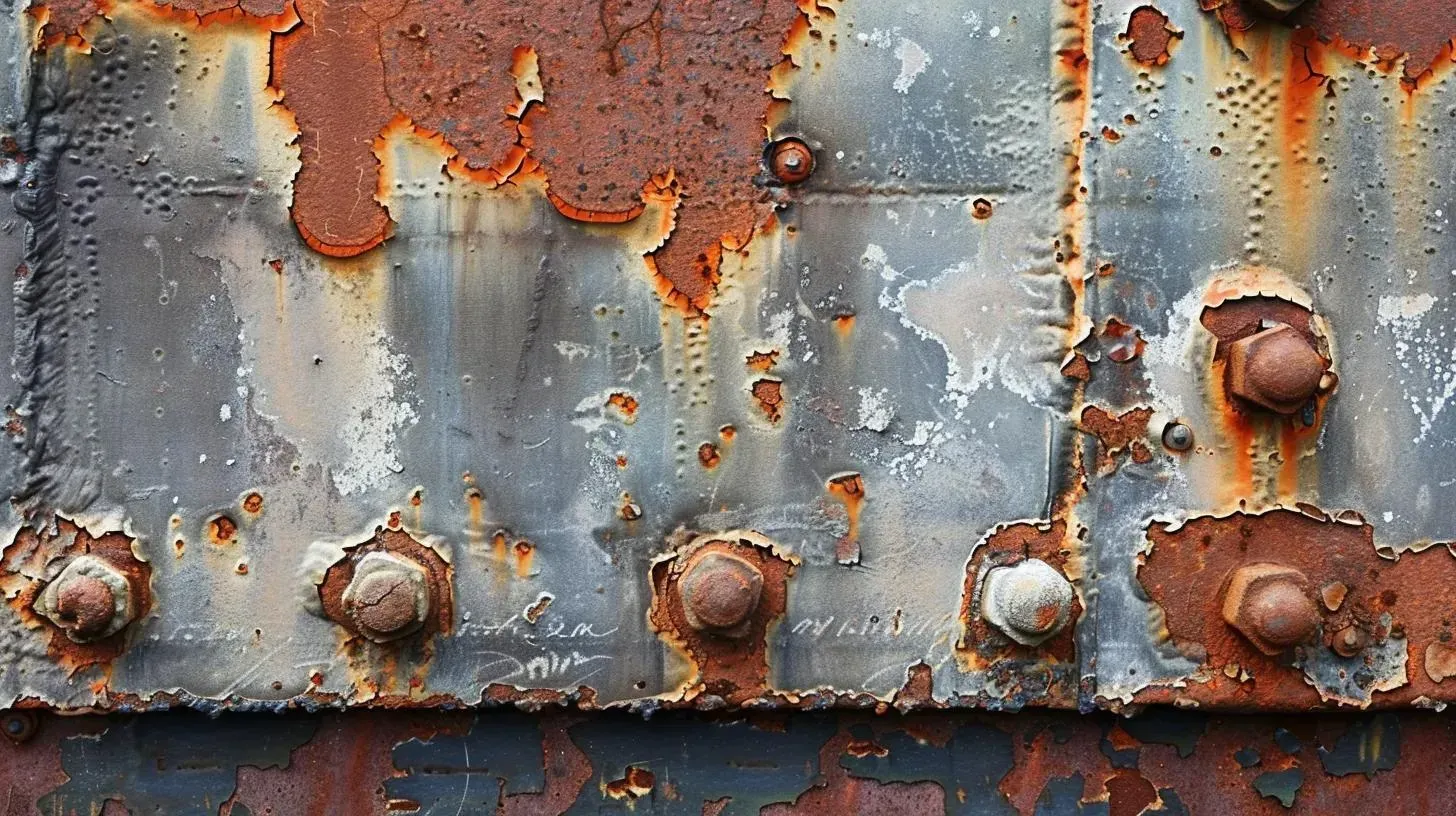
- Close-up (sharp focus): the crack/break/failed weld.
- Attachment/mounting points: where the part connects (hinges, brackets, posts, frame rails).
- Backside/underside (if possible): helps confirm access and prep.
Quick photo tips that save time
- Turn on good light (phone flash is fine if it doesn’t glare).
- Hold steady and tap-to-focus on the crack/weld.
- Take photos from two angles (straight-on + 45°) so depth is clear.
What measurements matter most (and how can you show them quickly)?
You don’t need perfection—you need useful approximations that confirm scale. The most helpful measurements are the ones that tell a welder material size, repair length, and clearance.
Fast measurement methods
- Tape measure in the photo: put the tape next to the crack/weld area.
- “Known object” reference: a coin or ruler works for tiny cracks (only if a tape won’t fit).
- Note the critical numbers: length of crack, width of bracket, thickness estimate if you know it.
The 4 measurements that usually matter
- Repair length: how long the crack/break runs.
- Material size: tube size (e.g., 2x2) or plate width.
- Thickness (if known): even “thin vs medium vs heavy” helps set expectations.
- Clearance/access: how much room around the weld area (tight corner vs open access).
What job details change the scope of the weld repair?
The quote gets faster when you include what the item is, what it does, and how many spots need work. That’s because mobile welding often involves prep, access planning, and sometimes reinforcement—not just laying a bead.
Include these details in one sentence
- What it is: “utility trailer ramp hinge,” “gate hinge bracket,” “railing post base,” “equipment mount.”
- What’s wrong: “cracked at the weld,” “bracket tore,” “hinge pulled,” “mount is loose/bent.”
- How many locations: “one crack” vs “three hinge points” vs “multiple joints.”
- Material guess: steel/aluminum/unknown.

Can photos be enough for a quote, or do you need a site visit?
For many mobile welding repairs, photos + basic measurements are enough to confirm scope and give a solid estimate. A site visit is more likely when access is unclear, the repair is spread across multiple locations, or the work depends on precise fit-up.
Decision table: what to send based on the job type
| Job type (example) | Must-have photos | Must-have measurements | Notes that speed up quoting |
|---|---|---|---|
| Trailer ramp hinge crack | Wide of trailer + close-up crack + underside/hinge mount | Crack length + hinge plate width | Mention how many hinges are affected |
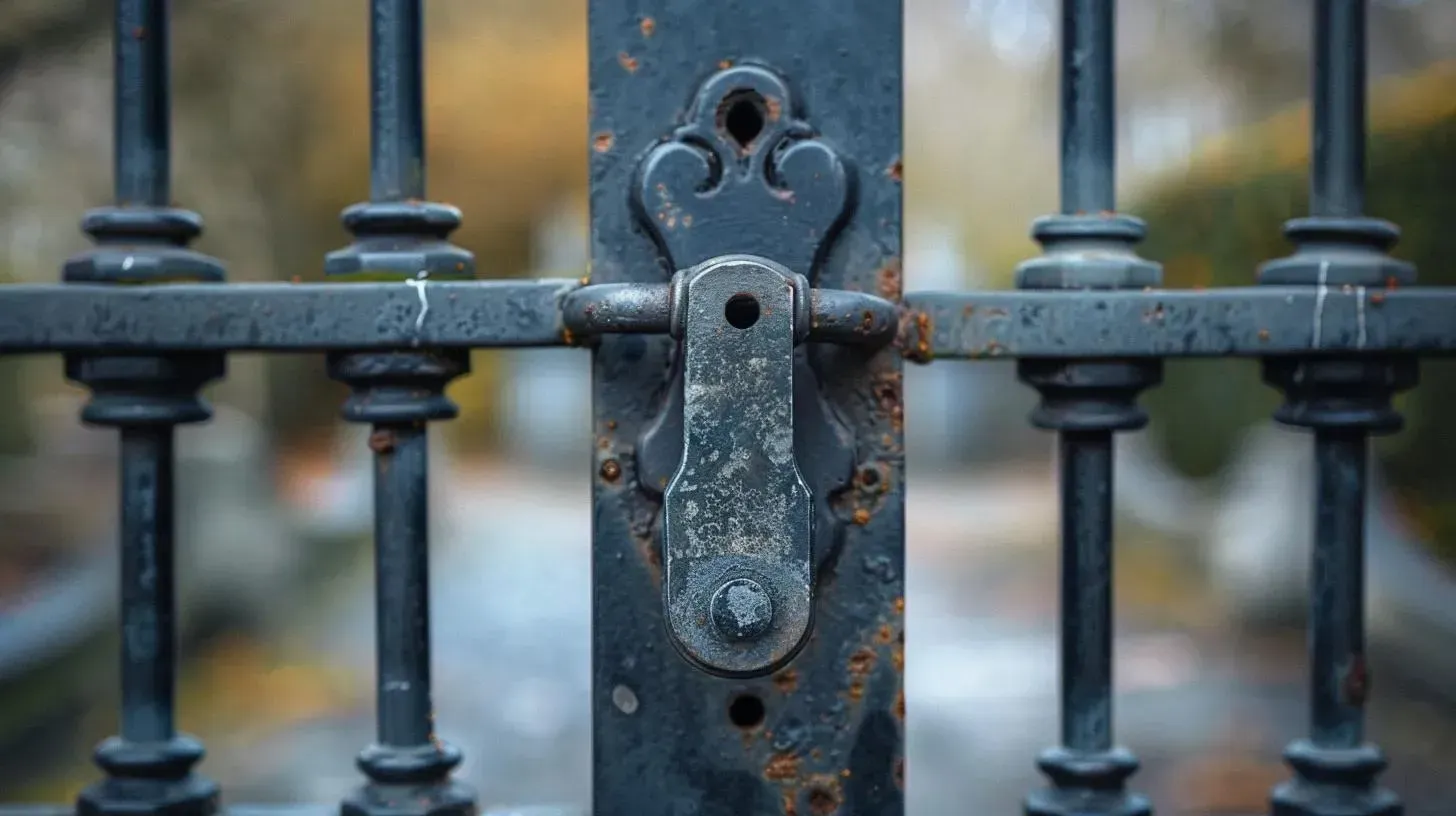
| Gate hinge/latch bracket tear | Wide of gate + hinge area + latch area + post connection | Gate width + hinge spacing (approx) | Mention whether it drags or won’t latch |
| Railing post base break | Wide of stairs + post base + attachment points | Rail length (approx) + post spacing | Mention how many posts move |
| Equipment bracket/mount failure | Wide of machine + bracket close-ups + mounting surface | Bracket width + distance between mounting holes (approx) | Mention if it’s one mount or multiple |
If you’re not sure whether your job fits on-site welding work, here’s what MS FixIt typically handles under mobile welding.
How should you package everything so the welder can quote faster?
Put everything in one message thread with labeled photos and a short summary, so nothing gets lost. The goal is to make the welder’s “first read” feel like a complete mini-brief.
If you’re sending this to MS FixIt, the easiest place to drop photos + details in one place is the contact form.
The 60-second send format
- Line 1: “Mobile welding quote request — [City/ZIP]”
- Line 2: “Item: [trailer/gate/railing/etc.]”
- Line 3: “Issue: [cracked weld / broken bracket / torn hinge] — [how many spots]”
- Line 4: “Measurements: [crack length], [material size], [any key clearance]”
- Line 5: “Photos: 1 wide, 2 close-ups, 1 mounting point, 1 underside (if available)”
What are the common mistakes that slow down mobile welding quotes?
Most delays come from missing context or unclear photos. Fixing those usually eliminates the “can you send one more photo?” loop.
Common mistakes / red flags
- Only a close-up (no wide shot to show where the part lives).
- Blurry photos where the crack can’t be seen.
- No location (city/ZIP missing), so scheduling feasibility is unclear.
- No scale reference (no tape measure, no “how big is this?” clue).
- Multiple projects in one thread without labeling (hard to scope).
- Unclear goal (repair a crack vs reinforce a weak area) which changes the plan.

Two quick real-world examples (what “good info” looks like)
Example 1: Gate hinge bracket tear (fast quote scenario)
You text 4 photos: (1) whole gate, (2) hinge close-up, (3) post connection, (4) latch area. You add “Loveland, 80537; gate is ~6 ft wide; hinge bracket tore at the weld; one hinge is affected.” The welder can confirm scope without guessing and respond with a clear next step.
Example 2: Utility trailer crossmember crack (fast scoping scenario)
You send a wide trailer photo plus two close-ups of the crack from different angles, and one underside shot. You include a tape-measure photo showing the crack is ~3 inches long and note “one crack spot; access is open underneath.” That’s usually enough to confirm whether it’s a single repair location or likely needs reinforcement planning.
If you’re in Northern Colorado and want the quickest path to an accurate scope, send your photo kit along with your city/ZIP using the checklist above via “MS Fix It – Contact”.
Next step: send your quote kit
Not sure which service you need? Start with MS Fix It Services to find the right solution.
Frequently Asked Questions
Can I get a mobile welding quote from photos alone?
Often, yes—if your photos show the whole item, the problem area, and how the part attaches. If access is unclear or the repair depends on precise fit-up, the welder may still recommend a quick site look.
What if I don’t know the metal type (steel vs aluminum)?
That’s common. Include your best guess (or “unknown”), plus a clear photo of the material and any labels/markings; the welder can usually confirm what’s workable from context or ask one targeted follow-up.
How do I show “how many spots” need welding?
Take one wide photo and then number your close-ups (Spot 1, Spot 2, Spot 3). A simple label like that prevents misunderstandings and speeds up scoping.
What if the weld area is hard to reach?
Show it in a wide photo and then a close-up, and describe what blocks access (fence, tight corner, underside clearance, stairs). Access is one of the fastest ways to confirm whether the job is straightforward on-site or needs a different plan.
What if the item can’t be moved (gate/railing/installed bracket)?
That’s exactly where mobile welding helps—but your message should include a photo that shows the surrounding area so the welder can plan positioning, shielding, and how to work without damaging nearby surfaces.
Is it better to send everything in a text thread or a form?
Either works as long as everything stays together. The key is one complete “packet”: short summary + measurements + labeled photos in one place so nothing gets lost.