
The Complete Guide to Drywall Repair: From Small Holes to Large Patches

MsFixIt Team • December 9, 2025

Share this article

Drywall damage happens in every home eventually. Kids throw things, furniture bumps walls during moves, doorknobs punch through when doors swing too hard. The good news is that most drywall repairs are manageable projects that don't require professional help. With the right approach and a little patience, you can make damaged walls look like new again.

The key to successful drywall repair is matching your technique to the size and type of damage. Small holes need different treatment than large ones. Cracks require different solutions than punctures. Understanding these distinctions helps you get professional-looking results without professional prices.

Small Holes and Nail Pops

Small holes from picture hangers, screws, and nails are the easiest drywall repairs. They require minimal materials and take just minutes to fix. The most common mistake is using too much filler in one application, which takes forever to dry and shrinks as it cures.

For holes up to about a quarter inch, lightweight spackle works best. Apply it with a small putty knife, pressing compound into the hole and scraping flush with the wall surface. One thin coat usually does the job for these small repairs. Let it dry completely, then sand lightly and touch up with paint.

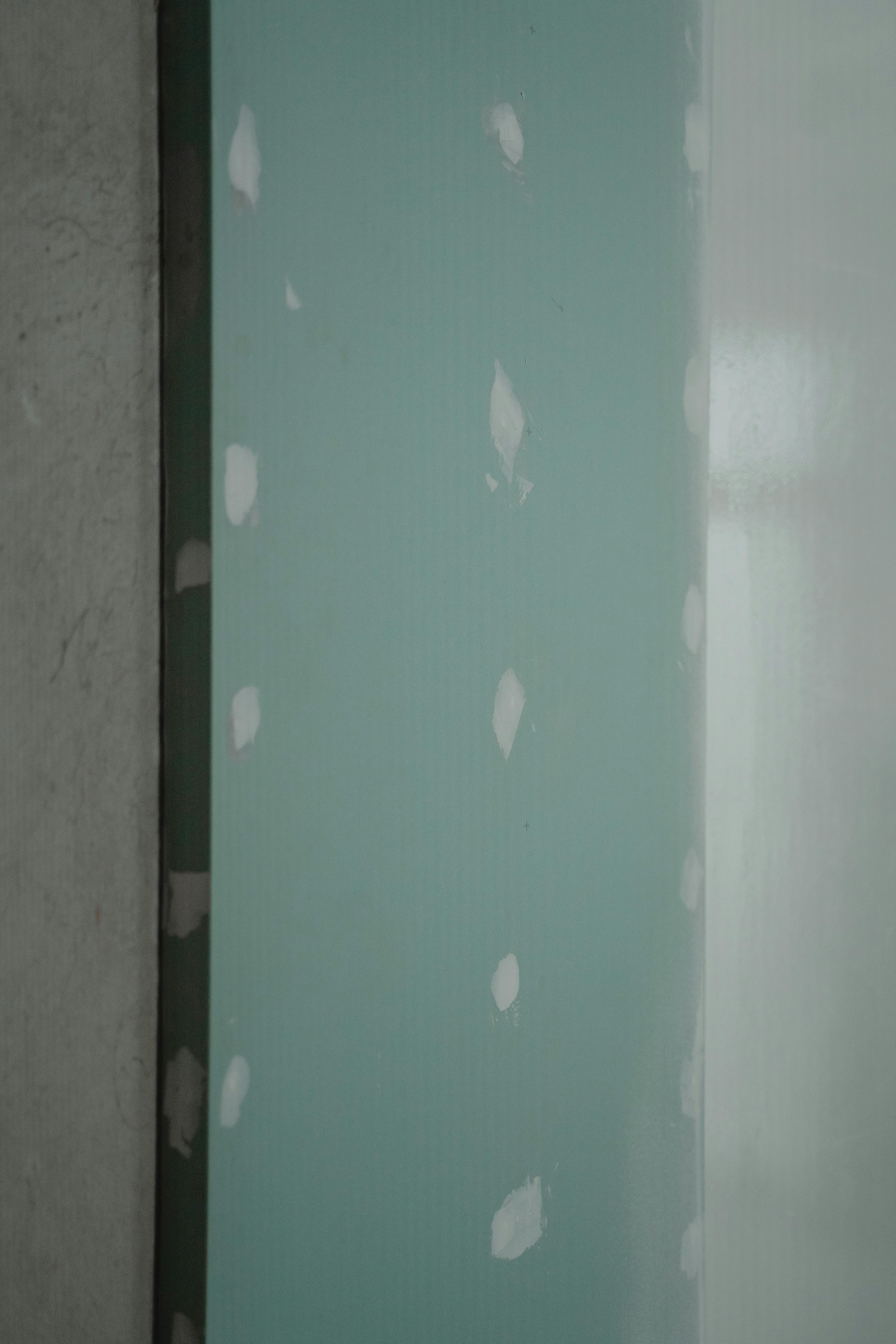
Nail pops occur when nails work their way out of studs over time, creating small bumps or crescent-shaped cracks in the drywall. Don't just hammer them back in. They'll pop out again. Instead, drive a drywall screw an inch above and below the popped nail to secure the drywall to the stud, then remove or sink the nail completely. Cover all three spots with compound, let dry, sand, and paint.

Medium Holes: The Mesh Patch Method

Holes between one and four inches across need more support than simple filling provides. Self-adhesive mesh patches handle this size range efficiently. These patches stick directly to the wall and provide a backing that holds joint compound in place while it dries.

Start by cleaning any loose or ragged edges around the hole. Peel the backing from the mesh patch and center it over the damage, pressing firmly to ensure good adhesion. The patch should extend at least an inch beyond the hole edges in all directions.

Apply joint compound over the entire patch with a wide putty knife, feathering the edges well beyond the patch perimeter. This first coat doesn't need to be perfect. It's just establishing the foundation. Let it dry overnight, then sand lightly and apply a second coat, extending even further to create a gradual transition.

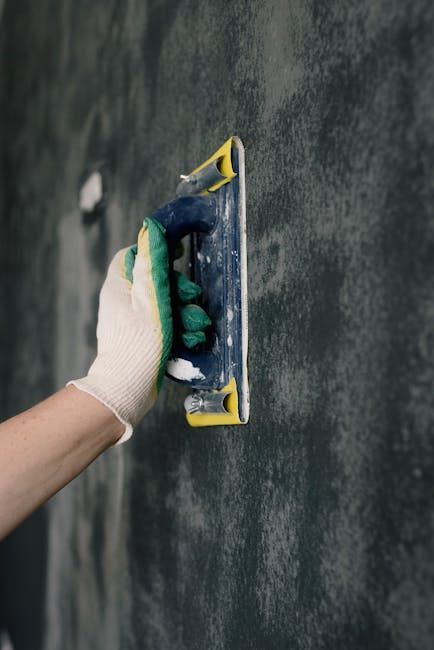
Two to three coats produce the smoothest results. Each coat should extend slightly beyond the previous one and be sanded smooth before applying the next. The goal is creating an imperceptible transition between the repair and surrounding wall. Rushing this process shows in the final result.

Large Holes: The California Patch

Holes larger than about four inches need actual drywall patches rather than mesh. The California patch, also called a butterfly patch or hot patch, provides a clean repair without needing to locate studs or install backing boards.

Cut a piece of new drywall slightly larger than the hole. On the back side, score and snap off the gypsum core about an inch from all edges, leaving only the face paper extending beyond the patch. This paper flap becomes your bonding surface.

Trace around the patch on the wall, cut out that shape, and test fit the patch. The paper flaps should rest flat against the surrounding wall while the gypsum core fills the hole exactly. Apply joint compound to the back of the paper flaps, press the patch into place, and smooth the flaps against the wall.

Once dry, apply joint compound over the entire repair, covering the patch and paper flaps completely. Follow the same process as medium repairs: multiple thin coats, sanding between each, with each coat extending further to blend the repair seamlessly into the surrounding wall.

Dealing with Drywall Cracks

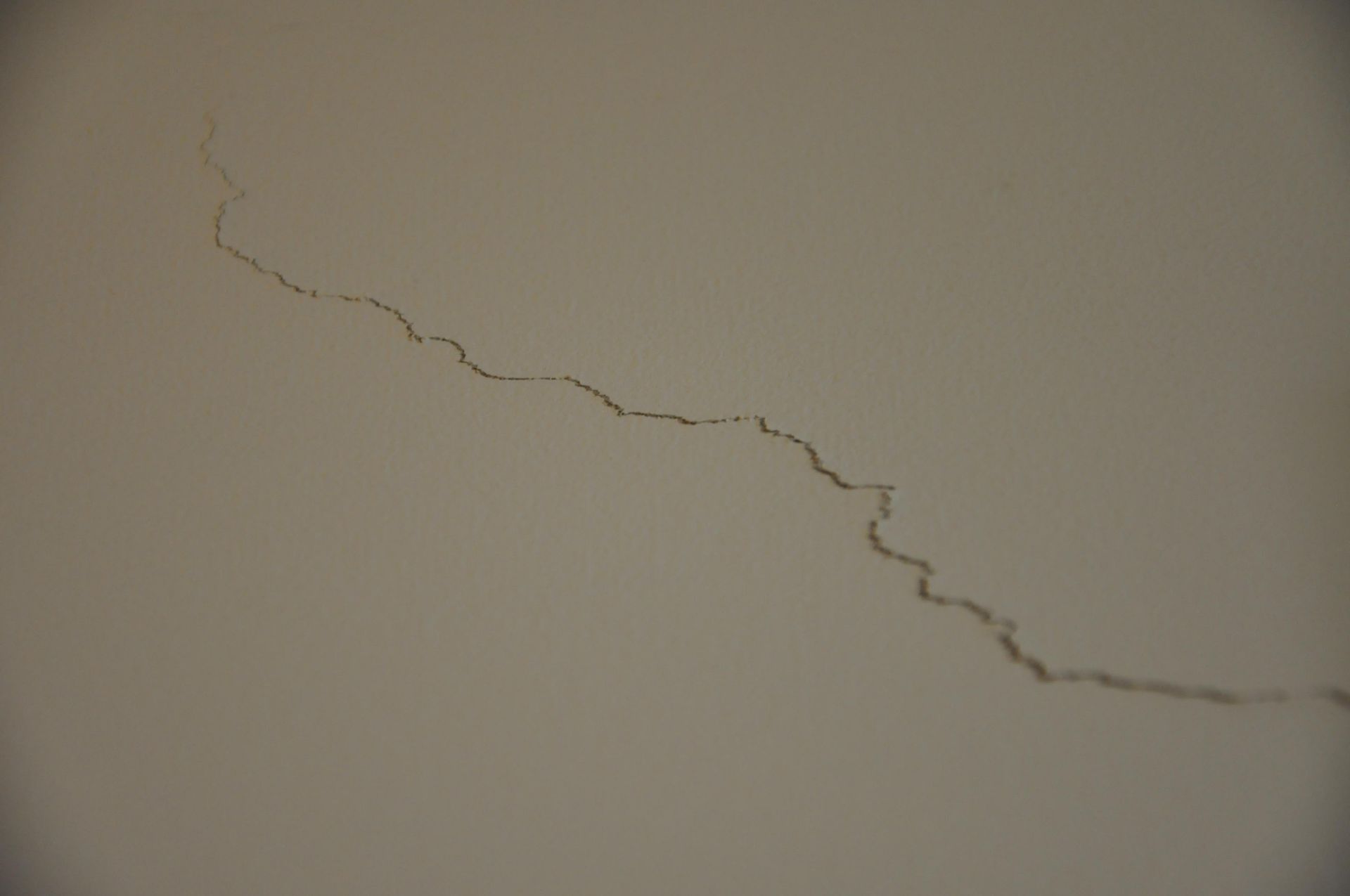
Cracks appear for different reasons and need different treatments. Hairline cracks from normal settling often respond to simple filling. Larger cracks or those that recur after repair indicate ongoing movement that requires more robust solutions.

For hairline cracks, apply a thin layer of joint compound with a wide knife, forcing compound into the crack while scraping flush with the wall. Sand when dry and apply a second coat if needed. These minor cracks usually stay fixed once repaired.

Recurring cracks need reinforcement. Paper drywall tape bedded in joint compound prevents cracks from telegraphing through future repairs. Apply a thin layer of compound, press the tape into it, then apply compound over the tape. This creates a flexible joint that accommodates movement without cracking.

Corner cracks require paper or metal corner tape depending on whether you're repairing an inside or outside corner. These specialized materials handle the unique stresses corners experience and provide lasting repairs when properly installed.

Matching Texture

Flat, smooth walls are easy to repair because you just need to achieve a flat, smooth surface. Textured walls present additional challenges. Your perfectly smooth patch will stand out conspicuously against surrounding texture unless you recreate the original finish.

Orange peel texture can be approximated with spray-can texture products available at hardware stores. Practice on cardboard first to get a feel for the spray pattern and distance. Apply lightly since you can always add more but can't easily remove excess.

Knockdown texture requires the same spray application followed by flattening with a wide knife after the texture partially sets. Timing is critical. If you flatten too early, you lose the texture. Too late, and it won't smooth properly. Again, practice on scrap material first.

Heavy textures like skip trowel or Spanish knife are more difficult to match. These often require significant skill and practice to replicate convincingly. For repairs in prominently visible areas with these textures, professional help may produce better results.

Priming and Painting

Joint compound absorbs paint differently than surrounding drywall or previously painted surfaces. Without proper priming, repaired areas show through as dull spots that look obviously different from the surrounding wall, even with matching paint.

Always prime repaired areas with quality primer before painting. This seals the compound and creates a uniform surface for the topcoat. Some primers specifically designed for drywall repairs provide excellent results with a single coat.

Matching existing paint color can be tricky, especially for walls that have faded or discolored over time. The best approach is repainting the entire wall from corner to corner rather than touching up just the repair area. This avoids the visible line between fresh paint and aged paint that blending can't eliminate.

When to Call for Help

Most drywall repairs are approachable DIY projects, but some situations benefit from professional involvement. Water-damaged drywall often indicates underlying problems that need addressing before repairs make sense. Large areas of damage, especially in ceilings, can be physically demanding and require specialized equipment for proper results.

At MsFixIt, we help homeowners throughout Loveland and Northern Colorado with drywall repairs of all sizes. Whether you need help with a tricky texture match or prefer professional results without the weekend project, we're here to help. Our goal is walls that look like they were never damaged in the first place.

Recent Posts

By MsFixIt Team December 9, 2025
Fix common door problems including sticking doors, squeaky hinges, latching issues, and drafty seals. Practical solutions for homeowners from MsFixIt.
By MsFixIt Team December 9, 2025
Common household plumbing problems and practical solutions. Learn when to DIY and when to call a professional for dripping faucets, running toilets, clogged drains, and more.
By MsFixIt Team December 9, 2025
Learn which home repairs you can tackle yourself and which require professional help. Make smart decisions about DIY versus hiring a pro for common household fixes.
By MsFixIt Team December 9, 2025
Essential winter preparation tips for Northern Colorado homeowners. Learn how to protect pipes, seal drafts, service heating systems, and prevent costly cold-weather damage.
By Miss Fix It Pro December 9, 2025
Learn the top 5 home repairs that save you money and prevent bigger problems. From leaky faucets to squeaky doors, Miss Fix It Pro shares expert tips for homeowners.
By Miss Fix It Pro December 9, 2025
Learn how to identify trustworthy contractors and avoid scams. Miss Fix It Pro shares red flags to watch for and what professional home repair service should look like.