Door Problems? Here's How to Fix the Most Common Issues
Your home's doors do more than provide privacy and separate spaces. They contribute to energy efficiency, security, and the overall feel of your living environment. When doors stick, squeak, or fail to latch properly, these minor annoyances can escalate into bigger problems if left unaddressed.
Most door problems have simple causes and straightforward fixes. Understanding what's happening helps you decide whether to grab your toolbox or call for professional help. Here's a guide to the most common door issues homeowners face and how to resolve them.
Doors That Stick or Won't Close Properly
Sticking doors rank among the most common complaints homeowners have. The door worked fine for years, then gradually started catching on the frame or floor. Sometimes the problem is seasonal, appearing in humid summer months and disappearing in winter. Other times it develops and stays.
Humidity causes wood to expand. If your door sticks only during certain seasons, the wood is absorbing moisture and swelling slightly. A dehumidifier in the affected area can help, and sealing all six sides of the door with paint or polyurethane prevents moisture absorption in the future.
Foundation settling causes more persistent problems. As houses age, they shift and settle unevenly. Door frames that were once perfectly square become slightly out of alignment. You'll notice doors that consistently stick at the top or bottom of one side, regardless of weather conditions.
For minor sticking, sanding or planing the rubbing edge often provides a quick fix. Mark the contact point with chalk or lipstick, close the door to transfer the mark, then sand or plane that specific area. Work gradually since you can always remove more material but can't put it back.
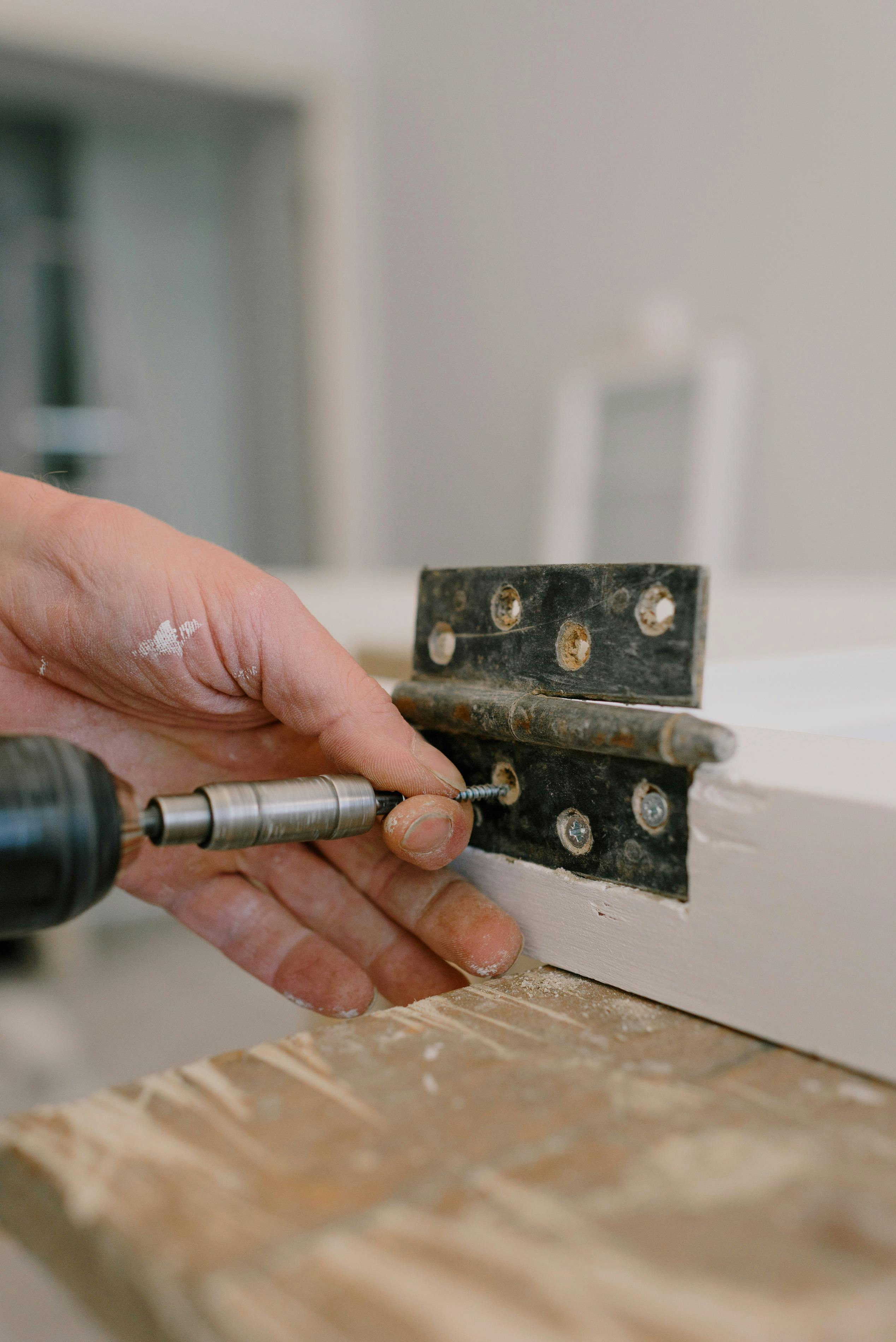
More severe misalignment may require adjusting the hinges. Shimming hinges with cardboard behind them can shift door position slightly. Deepening hinge mortises with a chisel moves the door in the opposite direction. These adjustments require patience and precision but can correct significant alignment issues without replacing the door or frame.
Squeaky Hinges
Squeaky hinges announce every trip to the bathroom at 3 AM. They're annoying but almost always easy to fix. The squeak comes from metal rubbing against metal without adequate lubrication, or from dirt and debris in the hinge mechanism.
Start with lubrication. Remove the hinge pin by tapping it out from below with a hammer and nail set. Clean both the pin and hinge barrel with a rag, then apply a light lubricant. WD-40 works for quick fixes but doesn't last. Silicone spray, white lithium grease, or even petroleum jelly provides longer-lasting lubrication.
If the hinge is worn and the pin wobbles noticeably in the barrel, no amount of lubrication provides a permanent fix. Replacement hinges cost a few dollars each and install with just a screwdriver. Match the size and style of your existing hinges for the cleanest result.
Doors That Won't Latch
A door that won't stay closed is more than inconvenient. It affects privacy, temperature control, and can even pose security concerns for exterior doors. The latch mechanism itself rarely fails. Instead, the problem almost always involves misalignment between the latch bolt and strike plate.
Watch the latch as you close the door slowly. Does it contact the strike plate at the wrong height? Does it not reach the strike plate at all? Identifying exactly where the misalignment occurs determines the appropriate fix.
Minor misalignment of an eighth inch or less responds well to filing the strike plate opening larger. Use a metal file to enlarge the opening in the direction needed. This takes only minutes and requires no removal of the strike plate.
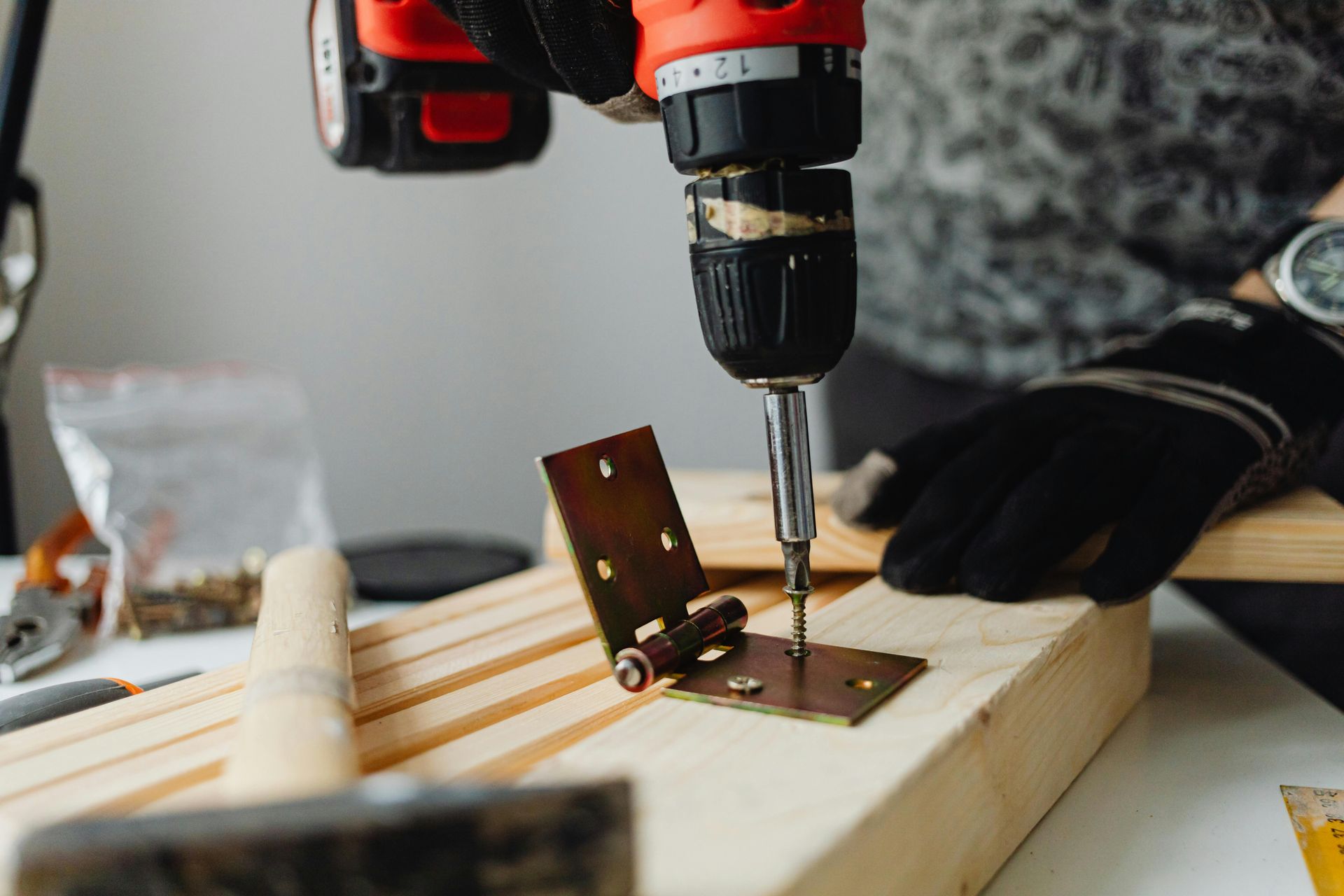
Greater misalignment requires moving the strike plate. Fill the old screw holes with wooden toothpicks and wood glue, let dry, then drill new pilot holes and reinstall the strike plate in the correct position. For vertical adjustments, you may need to extend the mortise cut for the strike plate as well.
If your door swings open by itself, the hinges are set incorrectly and the door is swinging toward plumb. This happens when the top hinge is set deeper than the bottom. Adding a cardboard shim behind the bottom hinge often corrects self-opening doors.
Drafty Exterior Doors
Exterior doors that leak air waste heating and cooling energy and make your home less comfortable. Feel around closed doors for drafts on windy days. Any air movement indicates gaps in the seal that need attention.
Weatherstripping deteriorates over time from compression and exposure. Foam weatherstripping lasts only a few years. More durable options like rubber, vinyl, or metal weatherstripping provide longer service but eventually need replacement as well.
Door sweeps on the bottom of exterior doors wear out from friction against thresholds. Replacement sweeps come in various styles. Some attach to the inside of the door, some to the outside, and some wrap around the bottom edge. Match the style to your door for proper fit.
Adjustable thresholds can close gaps at the bottom of doors without requiring the door itself to be modified. Turning adjustment screws raises or lowers the threshold to create proper contact with the door bottom. This works particularly well when floors have settled unevenly.
Hollow Core Door Damage
Interior doors in most homes have hollow core construction. A thin veneer covers a honeycomb cardboard interior supported by solid wood edges. These doors are lightweight and affordable but damage easily. A careless bump with furniture can punch right through the face.
Small holes and dents can be repaired with auto body filler or wood filler. Clean the damaged area, apply filler, sand smooth when dry, and paint to match. The repair won't be invisible up close but blends acceptably from normal viewing distances.
Larger damage that compromises the door's structure typically requires replacement. Hollow core doors are relatively inexpensive, but they do require proper sizing and fitting. If your home has non-standard door sizes, which is common in older construction, you may need to have doors cut down to fit.
Lock and Hardware Problems
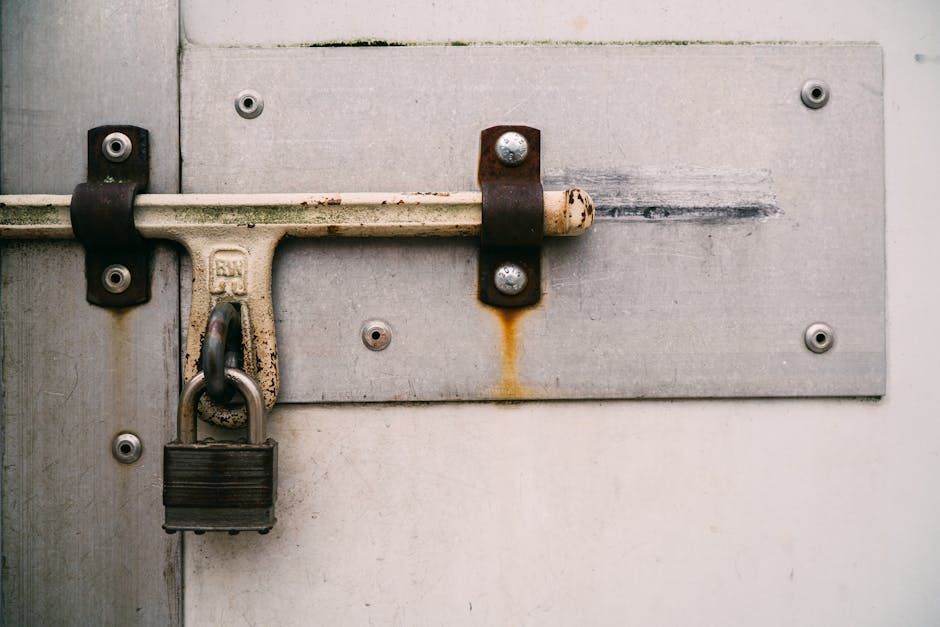
Door locks endure constant use and eventually wear out. A lock that requires jiggling, works only with specific key orientations, or turns without engaging the bolt needs attention before it fails completely and locks you out or in.
Sometimes the problem is the key rather than the lock. Worn keys develop thin spots that don't engage lock pins properly. Having a new key cut from the original rather than copying the worn key often restores smooth operation without replacing the lock.
Lock mechanisms do wear internally. If a new key doesn't solve the problem, replacement is usually more practical than repair. Modern locksets offer improved security features compared to older hardware, so upgrading provides both better function and enhanced protection.
Loose doorknobs and handles are almost always just loose screws. Most interior doorknobs have set screws on the sides or bottom that secure the knob to the spindle. Exterior locksets may have screws hidden under decorative covers. Tightening these screws restores solid, wobble-free operation.
When Professional Help Makes Sense
Most door repairs fall within DIY capability for handy homeowners. However, some situations benefit from professional assessment. Doors that have been problematic despite multiple repair attempts may have underlying structural issues requiring expert diagnosis. Exterior door replacement involves proper sealing, weatherproofing, and potentially security considerations that benefit from professional installation.
At MsFixIt, we help homeowners throughout Loveland and Northern Colorado with door repairs and replacements of all types. Whether you need a quick adjustment to stop a door from sticking or complete replacement of worn exterior doors, we provide honest advice and quality workmanship. Your doors should work smoothly every time. When they don't, we're here to help restore proper function.