
5 Common Plumbing Problems Every Homeowner Should Know How to Handle
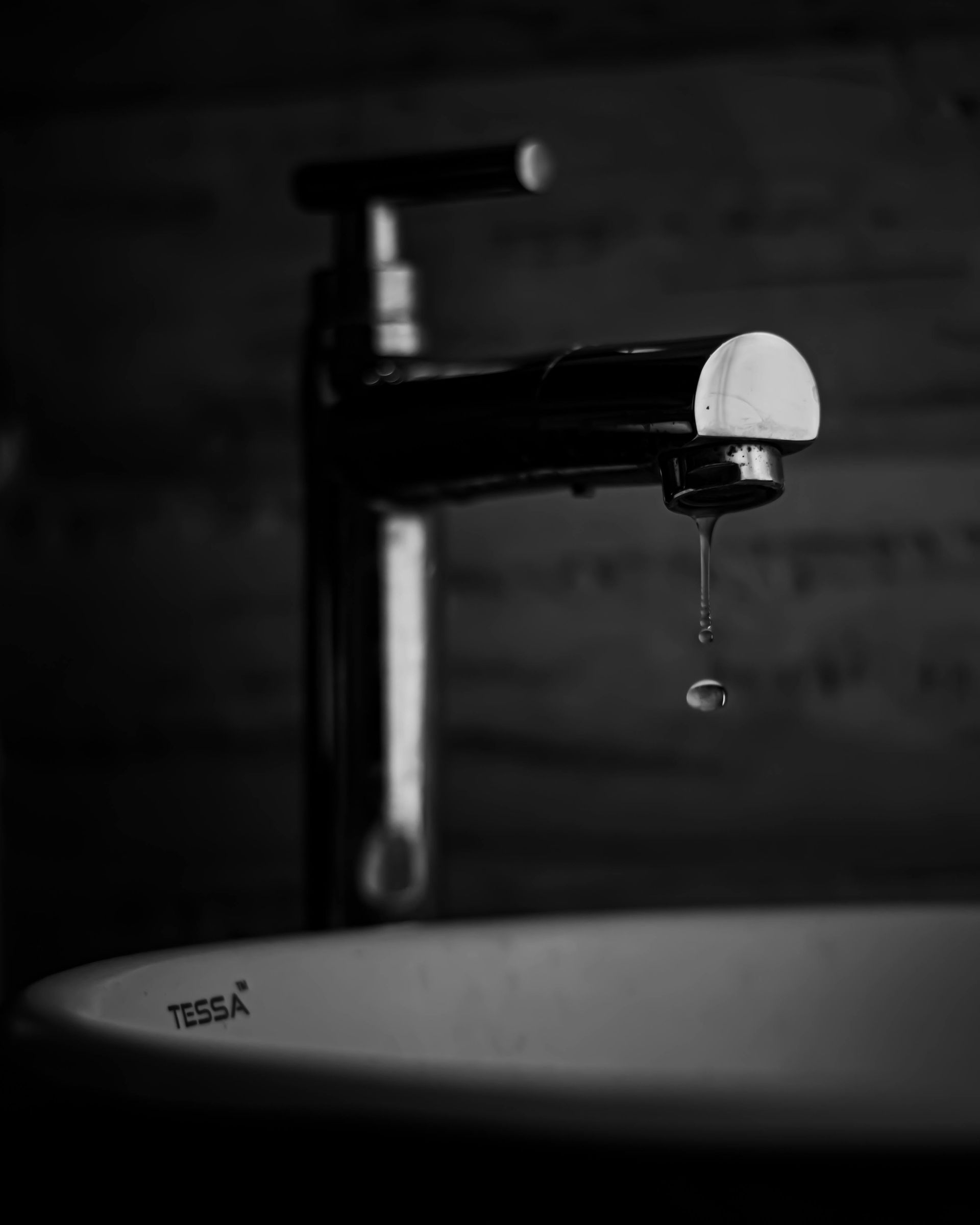
That dripping faucet keeping you awake at night isn't just annoying. It's costing you money every single day. A faucet dripping once per second wastes over 3,000 gallons per year. Multiply that across several fixtures and add in running toilets, and you might be flushing hundreds of dollars down the drain annually without realizing it.
The good news is that most common plumbing problems have straightforward solutions. Some you can handle yourself with basic tools. Others require professional attention but shouldn't be ignored. Understanding what you're dealing with helps you make smart decisions about repairs before small issues become expensive emergencies.
The Dripping Faucet
Faucets drip for one simple reason: something inside isn't sealing properly anymore. In traditional compression faucets, rubber washers wear out over time and need replacement. In cartridge, ball, or ceramic disc faucets, the internal mechanisms eventually fail and require new parts or complete cartridge replacement.
Fixing a dripping faucet typically costs between $5 and $30 in parts if you do it yourself. The job takes 30 minutes to an hour depending on faucet style and your comfort level with basic plumbing. Turn off the water supply valves under the sink before starting, and keep track of how parts come apart so you can reassemble correctly.
If your faucet is older than 15 years, replacement often makes more sense than repair. Modern faucets use better materials and more reliable mechanisms. They also typically include features like ceramic disc valves that last significantly longer than older designs. A new faucet costs between $100 and $300 for quality fixtures, plus installation if you're not comfortable doing it yourself.
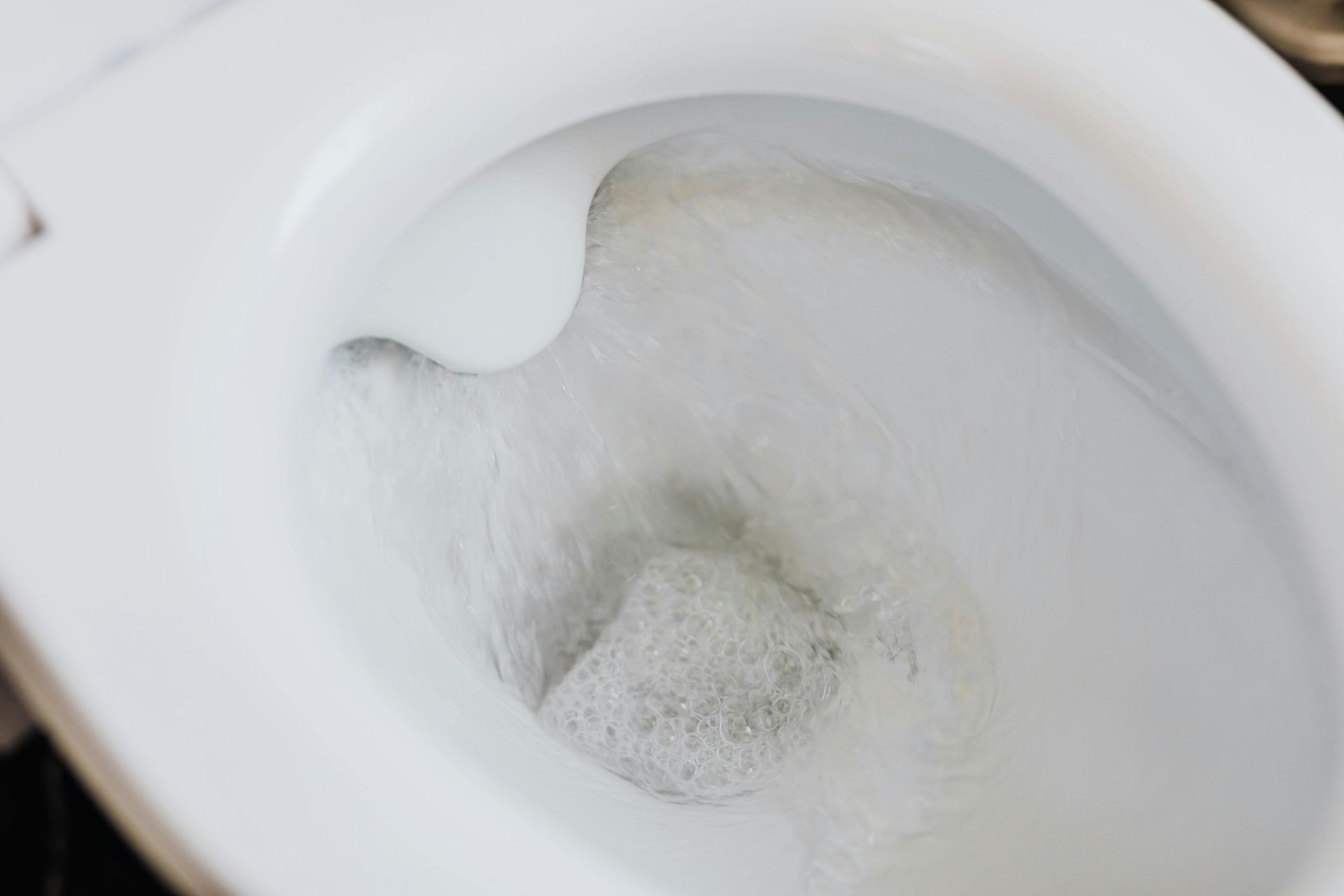
The Running Toilet
A toilet that runs constantly or cycles on and off throughout the day wastes shocking amounts of water. Some running toilets can waste 200 gallons per day or more. That's real money flowing into the sewer system, and it's almost always fixable for under $20 in parts.
Most running toilets have one of three problems. The flapper at the bottom of the tank deteriorates and no longer seals properly. The fill valve fails to shut off completely. Or the float is set too high, causing water to drain into the overflow tube continuously.
Start with the flapper since it's the most common culprit and the easiest fix. Drop some food coloring into the tank and wait 15 minutes without flushing. If color appears in the bowl, your flapper isn't sealing. Replacement flappers cost a few dollars and install in minutes without tools.
Fill valve problems require slightly more work but remain well within DIY territory. Universal fill valves cost around $15 and come with clear installation instructions. The job involves turning off water, draining the tank, and swapping the old valve for the new one. Budget an hour if you've never done it before.
Slow or Clogged Drains
Drains slow down gradually as buildup accumulates on pipe walls. Hair, soap scum, grease, and other debris create obstructions that worsen over time. Addressing slow drains early prevents complete clogs that require more aggressive intervention.
For bathroom sinks and tubs, hair catchers prevent most problems before they start. These inexpensive devices sit over or in the drain opening and catch hair before it enters your pipes. Clean them weekly and you'll rarely deal with bathroom drain clogs.
Kitchen drains clog from grease and food particles. Never pour cooking oil or grease down the drain, even with hot water. It solidifies inside pipes and creates stubborn blockages. Scrape plates thoroughly before rinsing and use a strainer to catch food particles.
When drains do slow down, start with a plunger before reaching for chemical drain cleaners. Chemical cleaners can damage pipes over time, especially older metal pipes. A good plunger or drain snake clears most clogs mechanically without chemicals. For stubborn clogs or multiple slow drains throughout the house, professional drain cleaning with a powered auger or hydro-jetting provides thorough results.
Low Water Pressure
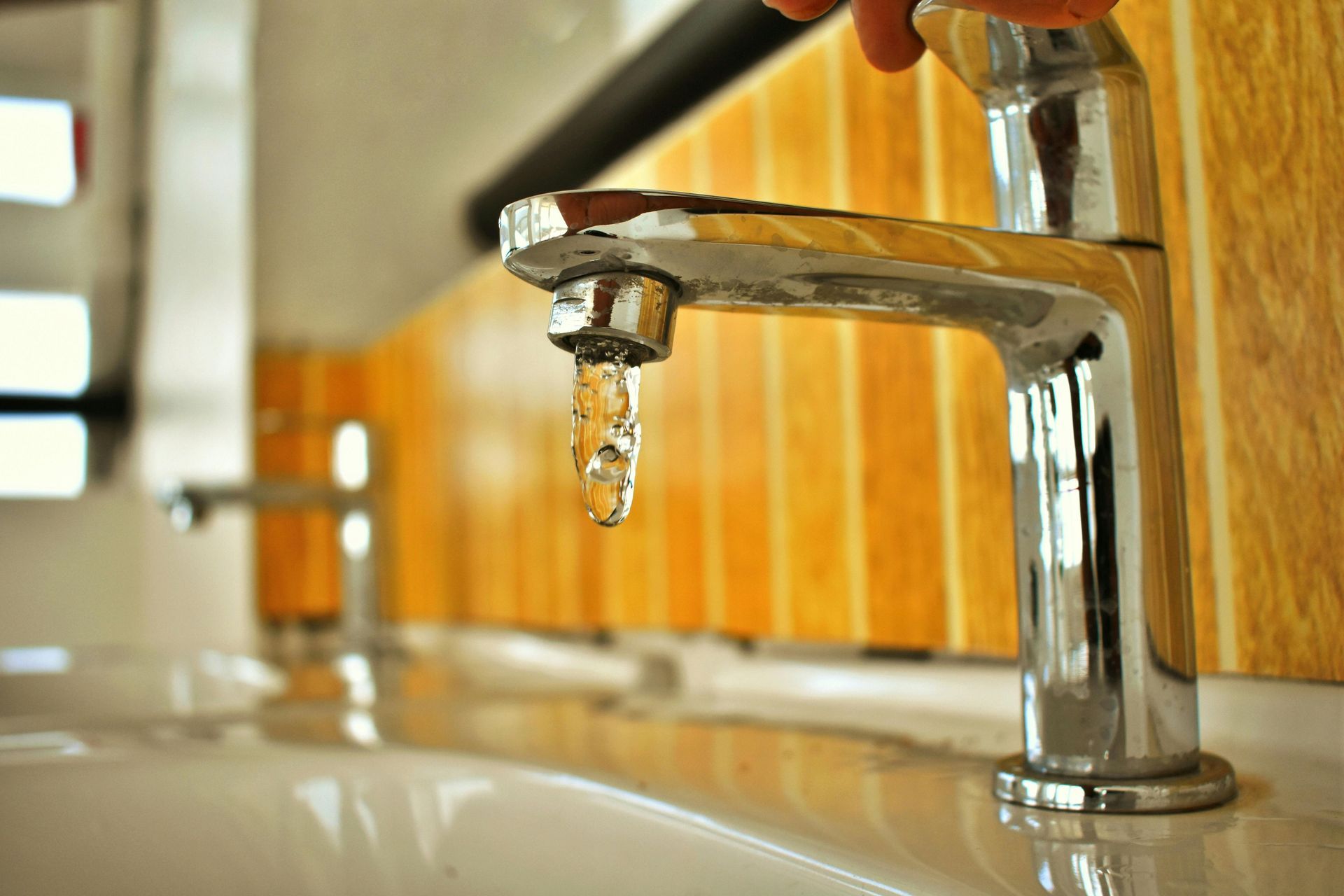
Sudden pressure drops throughout your home often indicate problems with the municipal supply or your main shutoff valve. Check with neighbors to see if they're experiencing similar issues. If the problem is just your house, make sure your main valve is fully open.
Gradual pressure loss at individual fixtures usually means mineral buildup. Aerators on faucets and showerheads clog with sediment and scale over time. Remove them, soak in vinegar overnight, and scrub with an old toothbrush. This simple maintenance often restores full pressure immediately.
Older galvanized steel pipes corrode internally over time, gradually restricting flow. If your home has galvanized pipes and you're experiencing whole-house pressure issues, repiping may be the only permanent solution. This is a significant investment but eliminates ongoing pressure problems and improves water quality.
Water Heater Issues
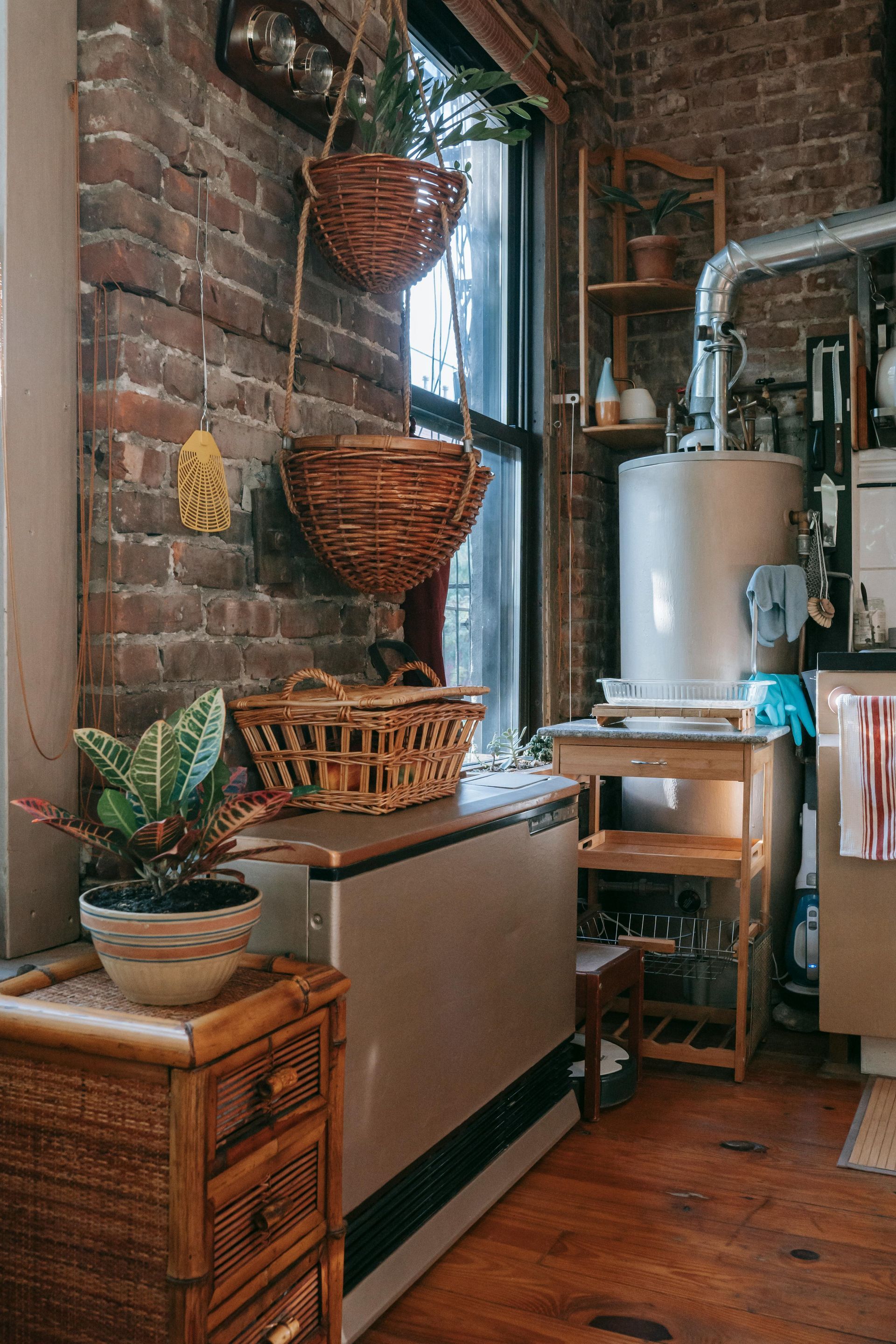
Water heaters typically last 8 to 12 years with proper maintenance. Signs of trouble include inconsistent temperatures, rusty water, strange noises, and visible leaks around the base. Catching problems early can extend heater life and prevent catastrophic failures that flood your home.
Annual maintenance makes a real difference. Flushing the tank removes sediment that reduces efficiency and accelerates tank corrosion. Testing the pressure relief valve ensures this critical safety component works properly. Checking the anode rod and replacing it when depleted protects the tank from internal corrosion.
If your water heater is approaching 10 years old and showing any warning signs, replacement makes more sense than repair in most cases. Modern units are significantly more efficient, and the cost difference between repairing an aging unit and installing a new one often doesn't justify extending the life of equipment that's likely to fail soon anyway.
When to Call a Professional
Some plumbing problems require professional expertise regardless of your DIY comfort level. Anything involving your main sewer line, gas connections, or water heater installation should involve licensed professionals. Leaks inside walls or under slabs need professional diagnosis and repair to prevent hidden water damage.
At MsFixIt, we help Loveland and Northern Colorado homeowners with plumbing repairs of all sizes. Whether you need help with a simple fixture replacement or you're dealing with more complex issues, we provide honest assessments and quality work. Don't let small plumbing problems become expensive emergencies. Addressing issues promptly saves money and prevents the kind of water damage that disrupts your life and your home.