

Essential Winter Home Prep: A Northern Colorado Homeowner's Guide
Winter in Colorado doesn't mess around. One day you're enjoying crisp autumn weather, the next you're dealing with frozen pipes and drafty windows. The difference between a comfortable winter and a miserable one often comes down to preparation. Most homeowners wait until something breaks to think about maintenance, but a few hours of preventive work now can save thousands in emergency repairs later.
This guide covers the essential tasks every Northern Colorado homeowner should complete before temperatures drop. Some you can handle yourself with basic tools. Others might require professional help. Either way, addressing these items now means peace of mind when that first serious cold snap hits.
1. Inspect and Service Your Heating System
Your furnace has been sitting idle for months. Before you rely on it to keep your family warm through a Colorado winter, make sure it's ready for the job. A heating system that fails during a cold snap isn't just inconvenient; it can lead to frozen pipes and serious property damage.
Start with the basics. Replace your furnace filter if you haven't done so recently. A clogged filter forces your system to work harder, increasing energy costs and accelerating wear on components. Check the area around your furnace for any stored items that might restrict airflow or create fire hazards.
Listen to your furnace when it runs. Strange noises like banging, squealing, or grinding often indicate problems that will worsen over time. A yellow or flickering pilot light instead of a steady blue flame can signal combustion issues that affect both efficiency and safety.
Professional furnace maintenance typically costs between $80 and $150 and includes thorough inspection, cleaning, and minor adjustments. This small investment can prevent mid-winter breakdowns that cost far more to address on an emergency basis. Many HVAC companies offer fall specials, so scheduling now often means better pricing and availability.
2. Seal Air Leaks Around Windows and Doors
That cold draft you feel near windows and doors isn't just uncomfortable. It's money literally flying out of your house. Air leaks can account for 25-30% of heating costs in older homes. Finding and sealing these leaks is one of the highest-return improvements any homeowner can make.
The classic candle test works surprisingly well. On a windy day, slowly move a lit candle around window and door frames. Where the flame flickers or bends, you've found a leak. Pay special attention to corners, where different materials meet, and areas where caulk or weatherstripping has aged.
Weatherstripping around doors wears out over time. If you can see daylight around a closed door, or if the door doesn't seal snugly, replacement weatherstripping is an easy and inexpensive fix. For windows, rope caulk provides a temporary seal that removes cleanly in spring. Permanent caulk works better for gaps that won't need seasonal access.
Don't forget less obvious culprits. Electrical outlets and switch plates on exterior walls often leak air. Foam gaskets designed for this purpose cost pennies and install in seconds. Gaps where pipes or wires enter your home can be sealed with expanding foam or caulk depending on the size.
3. Protect Your Pipes from Freezing
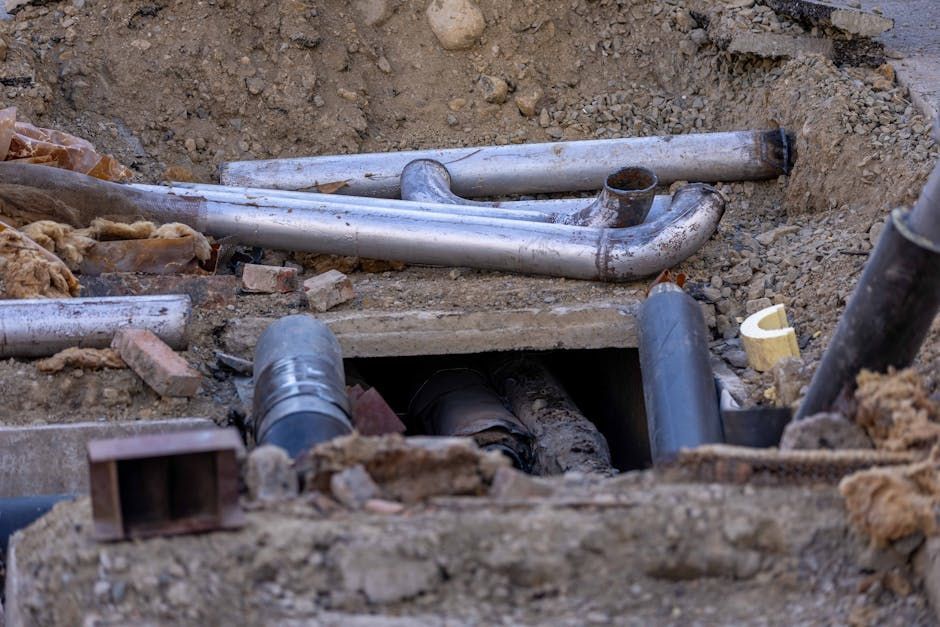
Frozen pipes rank among the most expensive winter disasters homeowners face. A burst pipe can release hundreds of gallons of water into your home before you even realize there's a problem. Prevention is straightforward but requires attention to vulnerable areas before temperatures drop.
Pipes in unheated spaces face the greatest risk. Crawl spaces, attics, garages, and exterior walls all contain pipes that can freeze when temperatures plummet. Pipe insulation sleeves are inexpensive and easy to install. For pipes in particularly cold areas, heat tape provides active protection that prevents freezing even in extreme conditions.
Exterior faucets need special attention. Disconnect and drain garden hoses before the first freeze. If your outdoor faucets have interior shutoff valves, close them and open the exterior faucet to drain any remaining water. Insulated faucet covers provide additional protection for a few dollars each.
Know where your main water shutoff is located and make sure it works. If a pipe does burst, being able to quickly stop the water flow can mean the difference between a minor inconvenience and catastrophic damage. Test the valve now rather than discovering it's stuck when water is pouring through your ceiling.
4. Clean Gutters and Check Drainage
Clogged gutters cause problems year-round, but winter amplifies the damage. When gutters can't drain properly, water backs up under shingles and into soffits. That water freezes, expands, and creates ice dams that cause leaks and structural damage.
Clean gutters thoroughly, removing leaves, twigs, and accumulated debris. While you're up there, check for sections that have pulled away from the house or developed low spots where water pools. Gutter hangers are inexpensive and easy to install if you need to resecure sagging sections.
Downspouts deserve equal attention. Make sure they're clear all the way down and that water discharges at least three feet from your foundation. Extensions or splash blocks help direct water away from the house where it might otherwise seep into basements or undermine foundations during freeze-thaw cycles.
Consider gutter guards if you're tired of climbing ladders every fall. They won't eliminate maintenance entirely, but quality guards significantly reduce debris accumulation and extend the time between cleanings.
5. Reverse Ceiling Fans and Check Insulation
Most ceiling fans have a small switch that reverses blade direction. In winter, fans should run clockwise at low speed. This pushes warm air that accumulates near the ceiling down into living spaces without creating a noticeable draft. The energy savings can be meaningful in rooms with high ceilings where heated air otherwise stays out of reach.
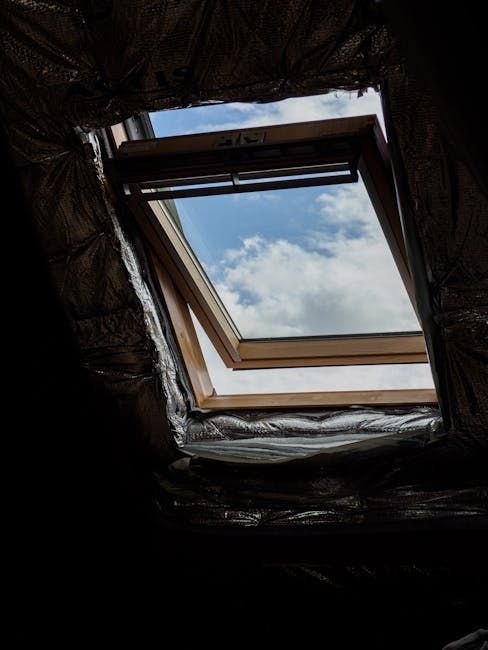
While thinking about heat rising, consider your attic insulation. Heat escaping through inadequate attic insulation represents one of the biggest energy losses in most homes. Current recommendations call for R-49 to R-60 insulation in Colorado attics, but many older homes have far less.
Checking insulation levels is simple. If you can see the floor joists in your attic, you probably need more insulation. Adding blown-in or batt insulation is a straightforward project that pays for itself relatively quickly through reduced heating costs. It's also one of the more accessible DIY projects for homeowners comfortable working in attic spaces.
Get Help When You Need It
Some winter prep tasks are clearly DIY territory. Others require expertise, specialized tools, or comfort with heights and confined spaces that not everyone has. There's no shame in calling for help, and it's certainly better than an incomplete job or an injury.
At MsFixIt, we help Loveland and Northern Colorado homeowners tackle these seasonal maintenance tasks every fall. Whether you need a complete winterization service or help with specific items on your list, we're here to ensure your home is ready for whatever winter throws at it. A few hours of preparation now prevents a lot of headaches when temperatures drop.
Don't wait until the first freeze to discover problems. The best time to winterize is before you need to, while the weather still cooperates and contractors aren't swamped with emergency calls. Your future self will thank you when you're warm and comfortable while others are scrambling to find help.