

5 Common Home Repairs Every Homeowner Should Know
Owning a home comes with its fair share of surprises, and not all of them are pleasant. That dripping faucet at 2 AM, the door that squeaks every time someone walks through it, or the mysterious draft coming from somewhere you can't quite pinpoint. The good news? Many common home repairs are simpler than you think, and tackling them early can save you hundreds of dollars in the long run.
As someone who has been helping homeowners throughout the Denver metro area for years, I've seen firsthand how small problems turn into expensive emergencies when ignored. Today, I'm sharing the five most common repairs I encounter and what you can do about them before calling in the professionals.
1. The Dreaded Leaky Faucet
That persistent drip-drip-drip isn't just annoying, it's costing you money every single day. A faucet that drips once per second wastes over 3,000 gallons of water per year. Beyond the water bill impact, the constant moisture can lead to mineral buildup, staining, and even mold growth in the cabinet below. Most leaky faucets are caused by worn washers or O-rings, which are inexpensive parts that cost just a few dollars at your local hardware store.
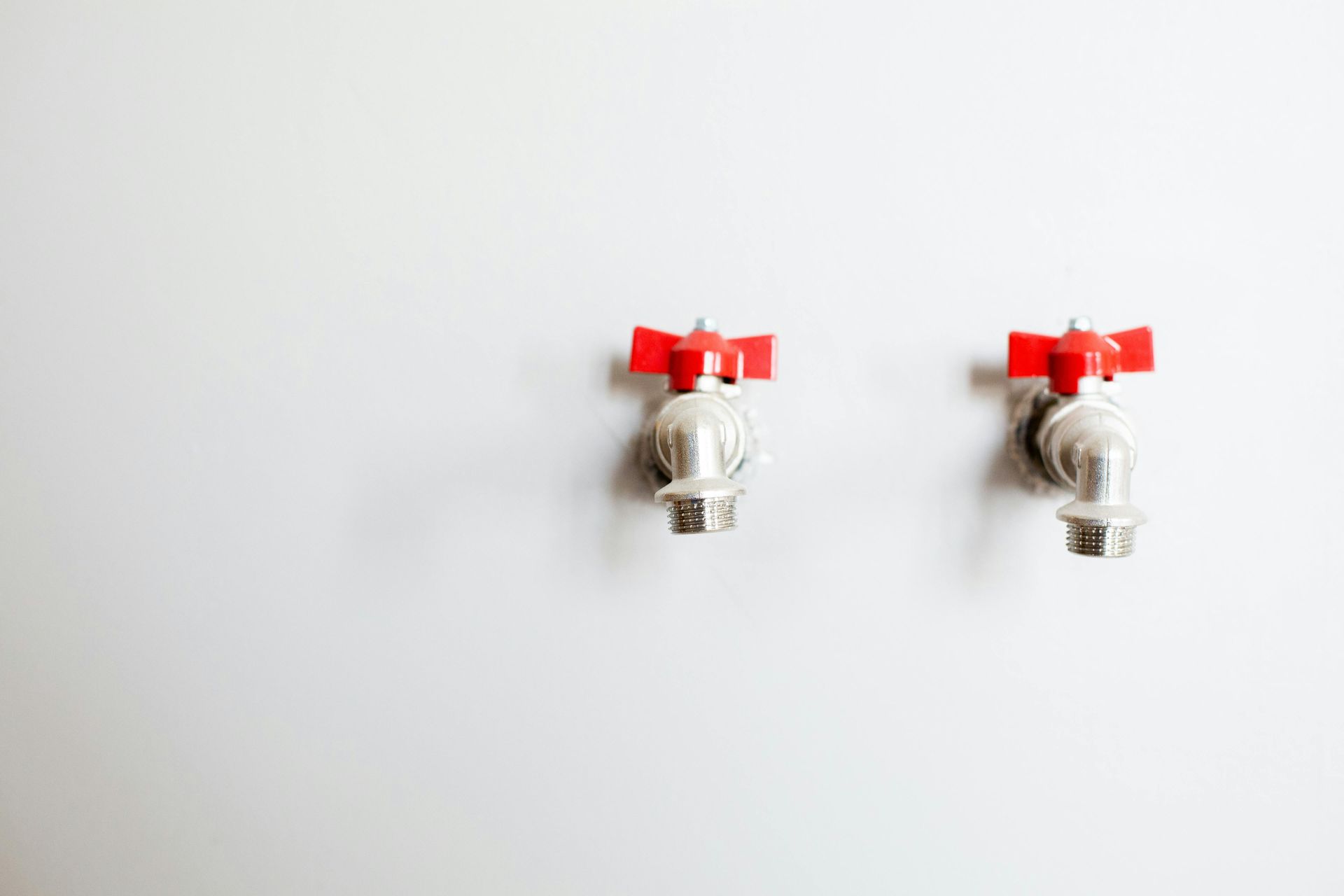
Before attempting this repair, always turn off the water supply valves under the sink. Take photos as you disassemble so you remember the order of parts. If you're dealing with a cartridge-style faucet, bring the old cartridge to the store to find an exact match. This repair typically takes 30 minutes to an hour, even for beginners.
When should you call a pro? If you notice corrosion on the pipes, water damage in the cabinet, or if the leak persists after replacing washers, it might be time for professional assessment. Sometimes what looks like a simple faucet issue is actually a sign of bigger plumbing concerns.
2. Squeaky Doors and Sticky Hinges
There's something almost comical about a squeaky door, until you're trying to sneak to the kitchen for a midnight snack and wake up the entire household. Squeaky hinges are typically caused by friction between metal parts that have lost their lubrication over time. Dust, debris, and general wear all contribute to this annoyingly common problem.
The fix is beautifully simple. Remove the hinge pin by tapping it out from below with a screwdriver and hammer. Clean both the pin and the hinge barrel with a rag, removing any rust or gunk. Apply a lubricant like WD-40, white lithium grease, or even petroleum jelly, then reinsert the pin. Work the door back and forth a few times to distribute the lubricant evenly. The whole process takes about five minutes per hinge.
For doors that stick rather than squeak, the culprit is usually humidity changes causing wood expansion or settling of the house shifting the door frame slightly. A few passes with a hand plane on the sticking edge often solves the problem without needing to rehang the entire door.
3. Running Toilets That Won't Quit
A running toilet can waste up to 200 gallons of water per day, making it one of the most expensive problems to ignore. The constant sound of water is your toilet literally flushing money down the drain. Fortunately, the internal mechanisms of a toilet are straightforward once you understand what each part does.
Start by removing the tank lid and observing what happens when you flush. The flapper, that rubber seal at the bottom of the tank, is the most common culprit. Over time, it warps, cracks, or accumulates mineral deposits that prevent a proper seal. Flappers cost under ten dollars and require no tools to replace. Simply unhook the old one, clean the seat it rests on, and snap the new one in place.
If the flapper isn't the issue, check the fill valve and float mechanism. These parts control how much water enters the tank after each flush. Adjusting the float height or replacing the fill valve assembly can stop a toilet from running constantly. Most hardware stores sell universal replacement kits that fit standard toilets.
4. Drafty Windows and Doors
Feel that cold breeze even when everything is closed? Drafts around windows and doors are incredibly common, especially in homes more than a few decades old. Beyond making your home uncomfortable, drafts force your heating and cooling system to work overtime, driving up energy bills significantly throughout the year.
Weatherstripping is your first line of defense and one of the most cost-effective home improvements you can make. For doors, check the condition of the weatherstripping around the frame and the door sweep at the bottom. These components compress and wear out over time, creating gaps that let air flow freely. Replacement weatherstripping comes in various materials like foam, rubber, and vinyl, each suited to different applications.
Windows often leak air around the sash where it meets the frame, and around the exterior trim where it meets the siding. Caulking these gaps with a quality exterior caulk stops drafts immediately. For single-pane windows, consider adding window film during winter months as a temporary insulation boost while you save up for more efficient replacements.
5. Holes in Drywall
Whether from doorknobs, furniture mishaps, or that picture hanging project that went sideways, drywall holes happen in every home. The good news is that drywall repair is genuinely beginner-friendly, and the results look completely professional when done correctly. The approach depends entirely on the size of the hole you're dealing with.
Small holes from nails or screws need nothing more than spackling compound and a putty knife. Apply the compound, let it dry, sand smooth, and paint. For holes up to about three inches, self-adhesive mesh patches work wonderfully. These patches stick directly over the hole, and you apply joint compound over them in thin layers, sanding between coats.
Larger holes require a more involved approach using a drywall patch cut to fit. This involves creating a backing support, securing the patch, and applying multiple coats of joint compound. While more time-consuming, the technique is absolutely learnable, and the supplies cost a fraction of hiring out the repair.
When to Call Miss Fix It Pro
There's absolutely no shame in calling for help. Some repairs involve safety risks, special tools, or expertise that takes years to develop. Anything involving electrical work, gas lines, or load-bearing structural elements should always be handled by qualified professionals. Similarly, if you start a repair and realize it's more complicated than expected, stopping and calling for backup is the smart move.
I'm always happy to walk you through what's involved in a repair over the phone. Sometimes a quick conversation is all you need to tackle something yourself with confidence. Other times, you'll realize your weekend is better spent elsewhere while I handle the fix. Either way, you'll know exactly what you're dealing with and what it takes to resolve it.